


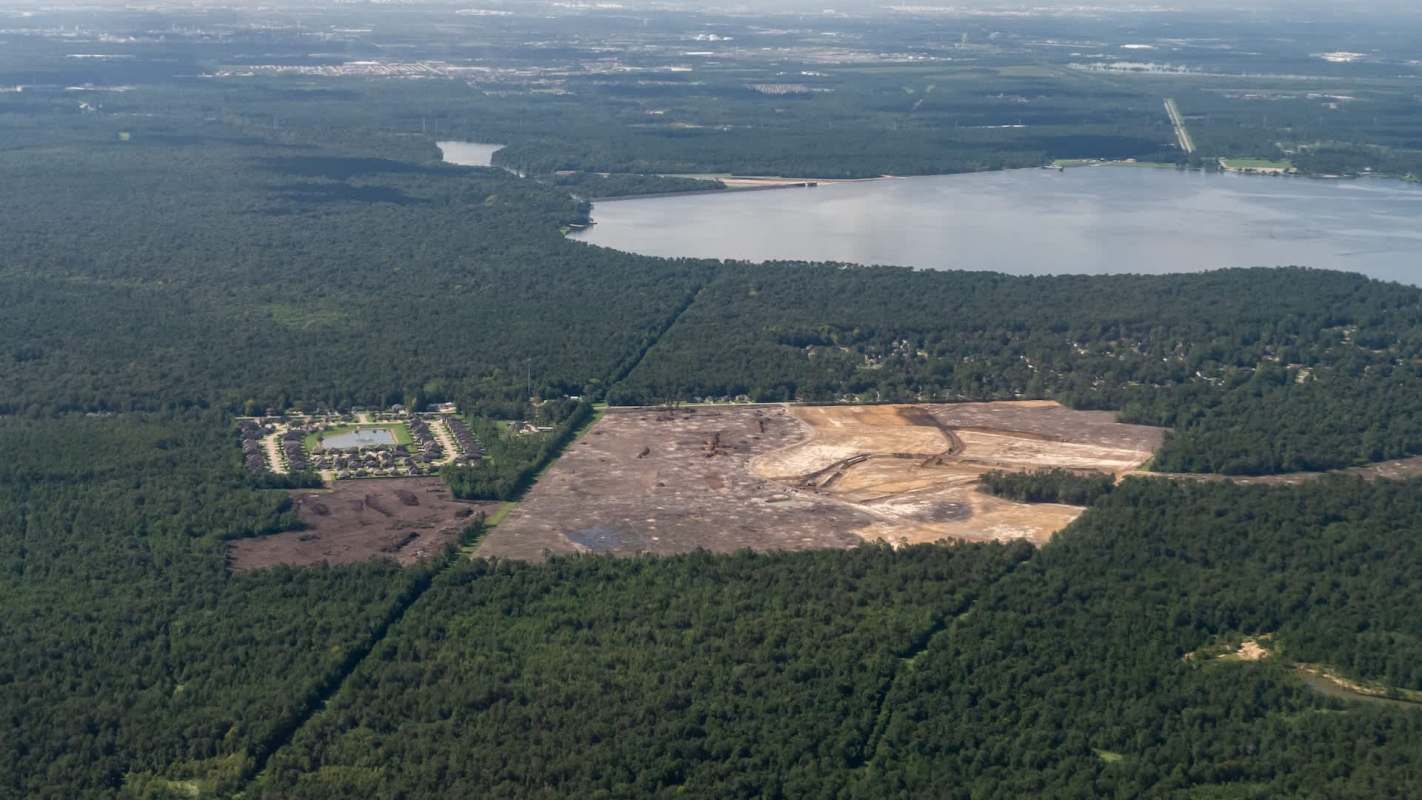
A rural Texas county has quickly abandoned its effort to temporarily block new data center projects after being hit with a $100 million lawsuit.
Hill County commissioners unanimously voted to lift the temporary moratorium only two weeks after enacting it, a swift turnaround in a conflict that could influence how other Texas communities deal with the spread of AI-related infrastructure.
What happened?
The dispute centers on Hill County, a rural county believed to be the first in Texas to enact a data center pause, according to The Texas Tribune.
The reversal came after RCM Hill, LLC, a developer, filed a federal suit asking for $100 million in damages, The Tribune noted.
RCM Hill said it had deals in place to purchase more than 800 acres of land for a data center project valued at over $80 million. In the May lawsuit filed in Austin, the company said the county had "exceeded its lawful powers" by adopting a pause that could disrupt its ability to meet state electricity-regulator requirements before pursuing interconnection.
Instead of trying to keep the moratorium in place for up to a year, commissioners approved a checklist that upcoming data center proposals will need to satisfy. County Judge Shane Brassell said the brief freeze still produced some benefits, even though it did not fully prevent projects from advancing.
TCD Picks » Quince Spotlight
💡These best-sellers from Quince deliver affordable, sustainable luxury for all




Why does it matter?
Data centers are expanding quickly across Texas, particularly in unincorporated areas where counties generally have far less authority than cities when it comes to regulating development. These facilities can bring jobs and tax revenue, but they can also put pressure on electricity supplies, water resources, land use, and local road infrastructure.
The issue is also closely tied to the rise of AI, since many new data centers are being built to support AI computing. While AI can offer major advantages — including helping utilities manage demand, improving energy efficiency, and accelerating clean energy planning — the infrastructure required to power it can consume huge amounts of electricity and water.
That has raised concerns about grid reliability, security, and the possibility of higher energy bills if those costs are ultimately passed on to households.
Communities, such as Hill County, are weighing investment and emerging technology against the need for stronger protections before large-scale facilities are allowed to move in.
What are people saying?
Brassell said the short period under the moratorium was still useful for the county.
"Ultimately, we would have loved to have just been able to stop every project and everything, and that's not what the moratorium did," he said.
He added, "But what it did do was — some projects that were less desirable, as far as maybe not the most honest — they left the county."
It remains unclear whether the company will continue pursuing the lawsuit now that the moratorium has been rescinded.

Get TCD's free newsletters for easy tips, smart advice, and a chance to earn $5,000 toward home upgrades. To see more stories like this one, change your Google preferences here.






