


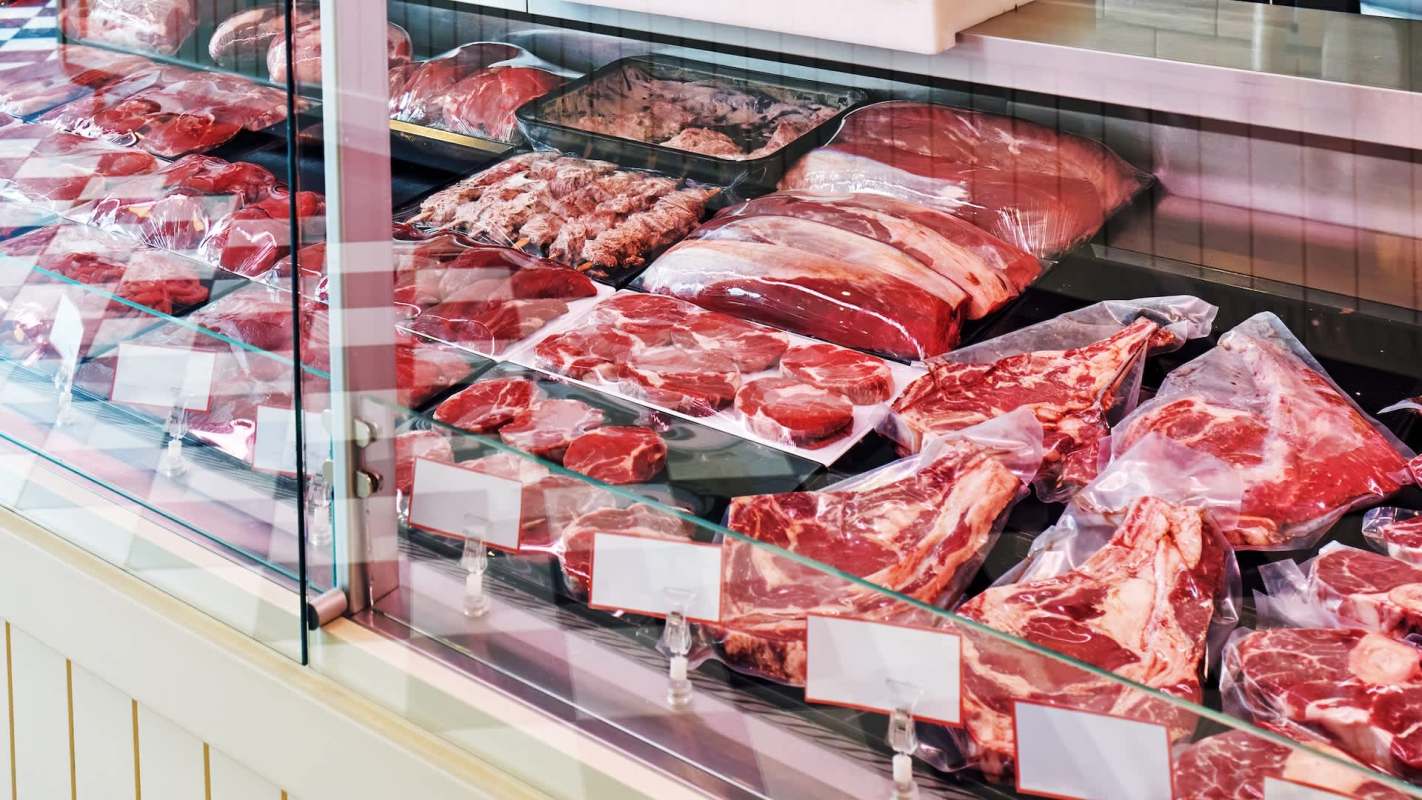
U.S. ground beef prices have hit another all-time high, and a quick drop in prices is looking less likely.
Lingering drought and the return of a harmful livestock parasite are creating new obstacles for ranchers trying to expand cattle numbers, raising the possibility that beef prices could stay high for years.
What's happening?
According to a report from Transport Topics, Americans paid an average of $7.064 per pound for ground beef in May, an increase from April and 13% higher than the same time last year.
Those gains are occurring even as national cattle numbers have fallen to their lowest levels in 75 years. When there are fewer cattle available, supplies tighten and grocery costs tend to rise.
Another pressure point has now emerged: the New World screwworm. Transport Topics reported that cases found in Texas calves were the first livestock outbreak of the parasite in the U.S. in 50 years. It is not a food-safety threat, but it can badly injure animals by laying eggs in wounds, putting young calves and their mothers at particular risk.
The response has already affected animal shipments. Oklahoma, Missouri, and Georgia now require permits and inspections for some livestock movements, Canada is rejecting shipments that were in Texas within the previous 21 days, and the U.S. has halted exports of cattle, dogs, and other animals to Mexico, Transport Topics noted.
TCD Picks » Quince Spotlight
💡These best-sellers from Quince deliver affordable, sustainable luxury for all




Why does it matter?
The most immediate impact is higher grocery bills. Ground beef is a staple for many families, so even modest price increases can add up across burgers, tacos, meatballs, and other weeknight dinners.
The bigger issue is how long the strain could last. Ranchers were already struggling to rebuild herds because recent droughts have reduced grazing land and pushed feed costs higher. Now, transportation restrictions and animal health concerns tied to the screwworm could further slow that recovery.
Experts cited by Transport Topics say any rebound in beef profits may be delayed until 2028 if dry weather continues and containment efforts keep supplies constrained. That suggests consumers may be facing an extended run of elevated beef prices, not just a brief spike.
Disruptions in one part of the food system can ripple outward. Restaurants, school meal programs, and families trying to stick to a budget may all feel the strain when a common protein becomes more expensive.
What can I do?
For now, officials consider the parasite problem limited to a specific area, and they are using inspections, movement limits, and shipping controls to try to stop it from spreading more widely.
Staying flexible at the store can help keep food spending under control when beef prices spike. Swapping in lower-cost proteins can help without sacrificing easy meal options.
That can include beans, lentils, tofu, or other meat-free alternatives that often cost less and store well.
Better monitoring, faster inspections, and stronger animal-health protections could help ranchers stabilize supply, but volatility in the meat aisle may continue.
Beef is still safe to eat, but several forces are keeping prices under pressure at once. With cattle numbers still historically low and the screwworm creating another hurdle, relief may take longer than many households had hoped.

Get TCD's free newsletters for easy tips, smart advice, and a chance to earn $5,000 toward home upgrades. To see more stories like this one, change your Google preferences here.






