


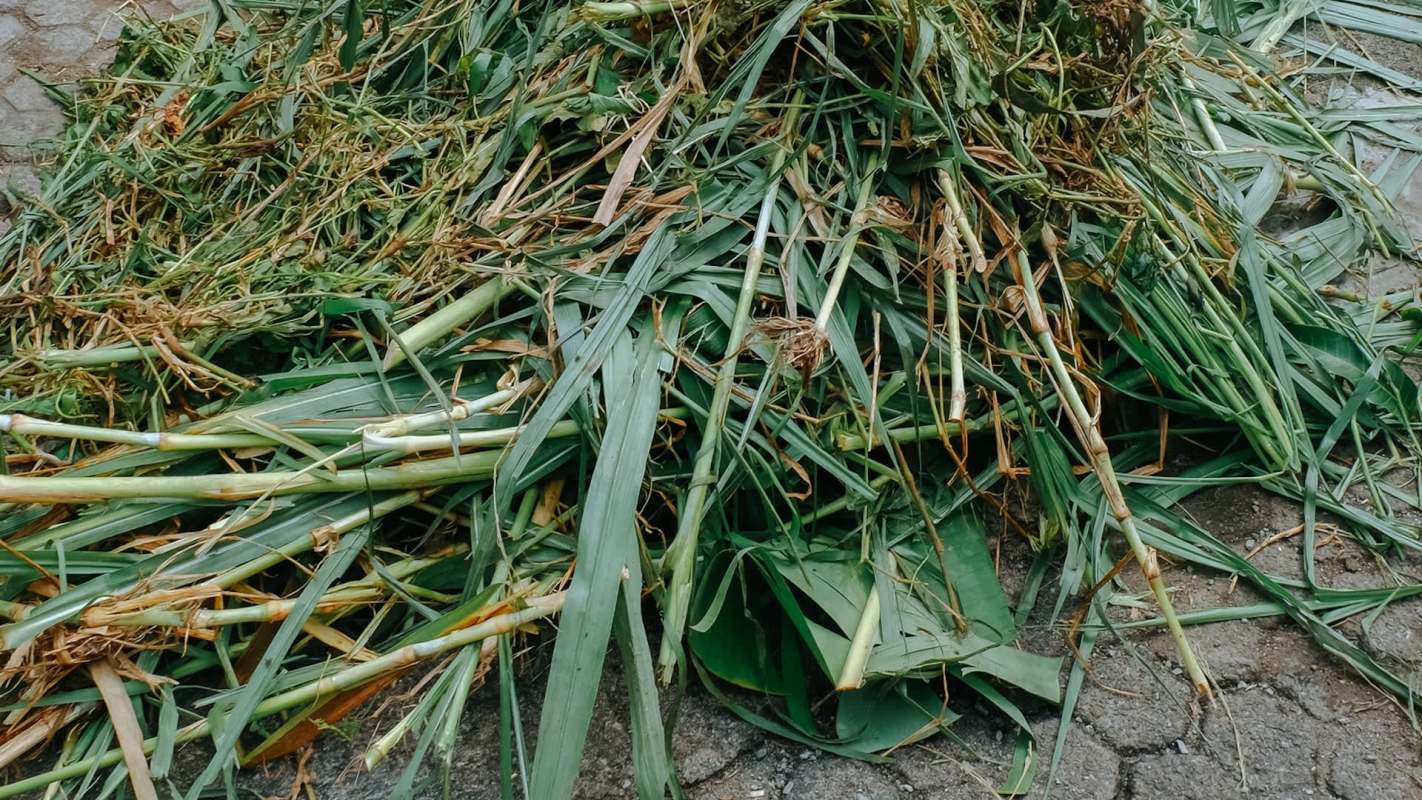
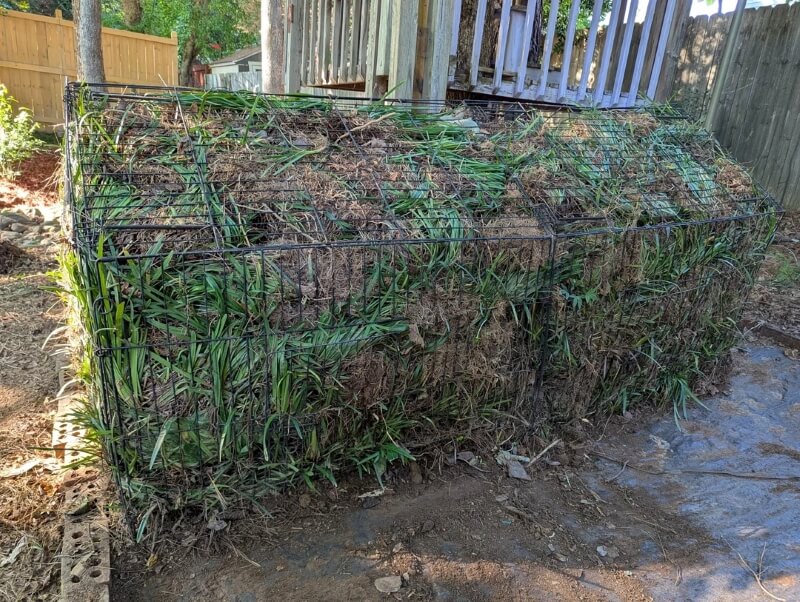
An online gardening crowd is reacting to one gardener's extreme way of dealing with invasive monkey grass: removing it, heaping it together, and sealing it inside a cage so it stays put.
What happened?
Users in the r/NativePlantGardening subreddit bonded over a humorous post on Reddit showing one person's all-out effort to contain monkey grass, or liriope.
"I finally pulled out all the Monkey Grass and managed to stuff it all into the cage," the original poster wrote. "There's tarp under it and everything so it can never escape again."
Liriope is often planted as an easy ground cover, but in some landscapes it can spread aggressively and become difficult to remove.
Some persistent plants are hardy enough that tossing them into a compost pile can risk giving them a second life.
Why does it matter?
Plants sold as "low effort" do not always remain under control.
TCD Picks » Quince Spotlight
💡These best-sellers from Quince deliver affordable, sustainable luxury for all




Once aggressive ornamentals spread, they can overtake nearby plants, add to yard maintenance, and make later landscaping work more costly and labor-intensive.
A simpler fix is to swap those problem plants for a native-plant lawn or a more natural yard design.
Because native plants are usually well-suited to local growing conditions, they may need less watering, less mowing, and less overall upkeep. That can cut costs, reduce time spent on lawn care, and help bring down water bills.
Even replacing part of a lawn can offer those benefits.
There are also several low-maintenance alternatives to a standard grass lawn, including native plants, clover, buffalo grass, and xeriscaping.
The conversation also included suggestions for native replacements for liriope, such as wild strawberry, little bluestem, and native sedges.
What are people saying?
Many commenters responded as if the removed monkey grass were some kind of botanical supervillain.
One person wrote, "Bad plants go in THE CAGE."
Later, the original poster said the cage was part of the real disposal plan, writing, "This IS how I'm killing it. My only other option would be burning it or a woodchipper. It would grow in the compost."
On the question of what to plant next, one commenter suggested, "I replaced my monkey grass with the wild strawberry Fragaria virginiana and it only took it a year to absolutely take over the area I put it in. It grew impressively fast. And the strawberries they make are delicious!"

Get TCD's free newsletters for easy tips, smart advice, and a chance to earn $5,000 toward home upgrades. To see more stories like this one, change your Google preferences here.






