


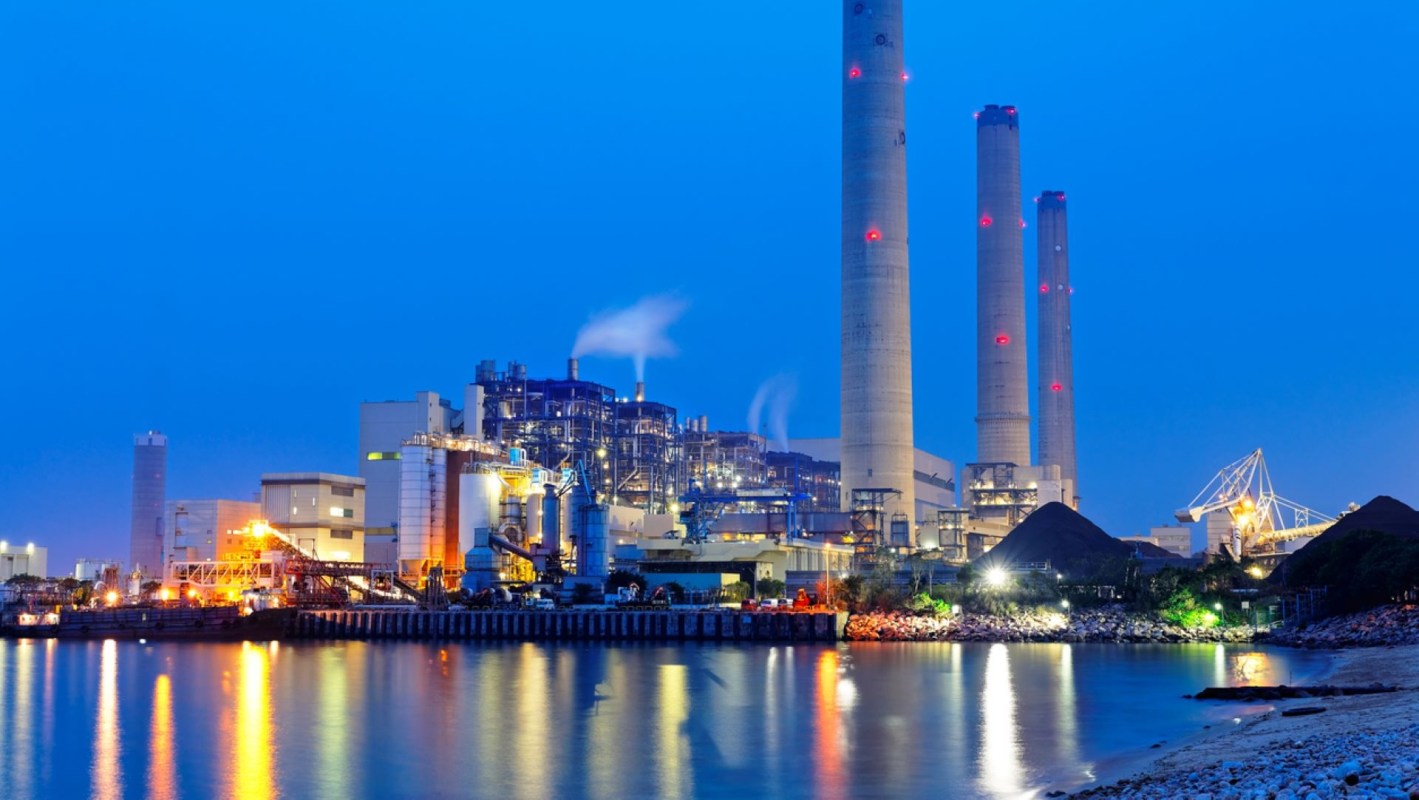
By turning to the Defense Production Act — a Cold War-era statute typically used to accelerate U.S. industrial production during times of need — President Donald Trump is sending $700 million to U.S. coal plants.
Environmental advocates have sharply criticized the decision, saying taxpayers are being made to prop up one of the nation's most polluting and costly energy sources.
What happened?
At a White House press conference, as reported by The Guardian, President Trump announced the coal funding package and framed it as a way to lower energy costs.
The Guardian reported that the money will help keep more than a dozen existing coal plants running, revive a Maryland coal export site, launch an Oakland, California, export hub, and support plans for new coal plants in Alaska and West Virginia.
In the announcement, President Trump repeatedly described the fuel as "clean, beautiful coal" and said, "Today, we're taking historic action to bring down the price of energy and the cost of living for all Americans with the power of clean, beautiful coal."
He also said the package would "protect 14 coal plants and 42 coal mines."
TCD Picks » Quince Spotlight
💡These best-sellers from Quince deliver affordable, sustainable luxury for all




Why is Trump's use of the Defense Production Act concerning?
The Guardian noted that coal is the most carbon-intensive fossil fuel, and burning it releases planet-warming pollution that worsens climate change and contributes to extreme weather disasters that destroy homes, livelihoods, and local economies.
Coal plants also emit tiny particles and other pollutants — such as mercury — linked to asthma, heart disease, cancer, and premature death. Research cited by The Guardian estimated that up to 460,000 U.S. deaths between 1999 and 2020 were tied to coal plant air pollution alone.
Mercury from coal plants is also a major source of mercury in fish, such as tuna, and those levels had been declining until last year, according to recent EPA data.
In addition to health risks, experts cited by The Guardian explained that coal plants cost more to build and operate than renewable energy projects. Critics say subsidizing them keeps cheaper, cleaner alternatives off the grid longer, even though those options would better protect communities and lower bills.
Environmental advocates had strong words for the new decision.
Kit Kennedy, a senior climate campaigner at the Natural Resources Defense Council, criticized the move: "This is going to mean higher bills and dirtier air."

Get TCD's free newsletters for easy tips, smart advice, and a chance to earn $5,000 toward home upgrades. To see more stories like this one, change your Google preferences here.






