


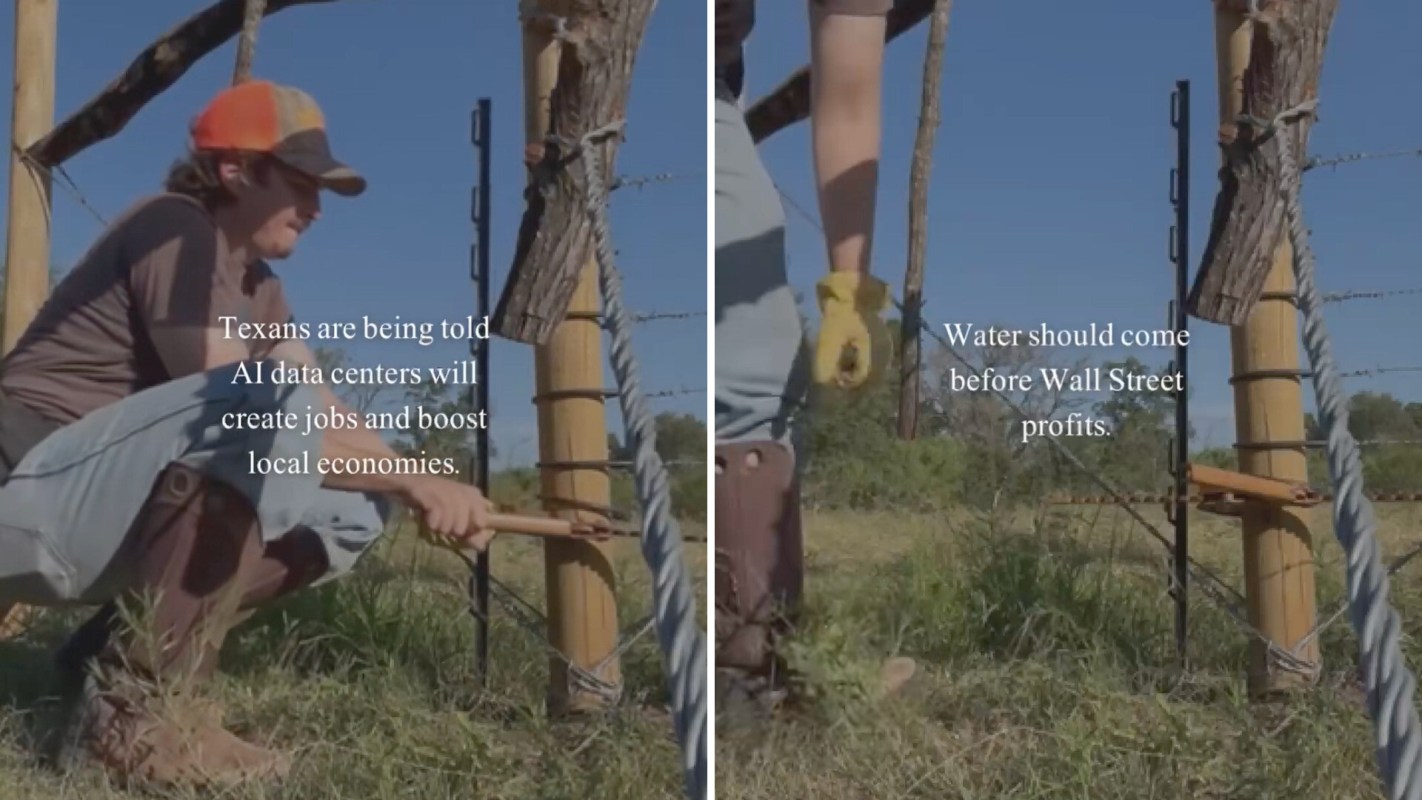
In Texas, where water shortages remain an active concern, a TikTok post stirred debate over why AI data centers receive special treatment.
The clip gained attention by tying the artificial intelligence boom to a deeply local concern: what happens when resource-intensive infrastructure moves into communities that are already under strain.
What happened?
The post by Clayton Tucker (@claytontuckertx) said that Texans are often presented with the potential benefits of AI data centers — such as economic growth and new local jobs — without equal attention to the possible downsides.
@claytontuckertx Texans are asking the right question: Why are we giving special treatment to AI data centers when our water future is already at risk? The Tech Barons want Texas resources, but we're fighting for Texans. Today is the last day of the month. If you want to help us keep taking this fight directly to the Tech Barons, chip in before midnight >> Link in bio #Texas #ProtectTexas #AIDatacenters #PeopleOverProfits ♬ original sound - Clayton Tucker
AI data centers can require enormous amounts of electricity and large volumes of water for cooling. In a hot, fast-growing state where drought concerns already persist, the expansion of data centers is a particularly sensitive issue.
Why does it matter?
AI can offer meaningful benefits, including helping utilities forecast demand, improve grid operations, and optimize clean energy systems such as solar and wind. Supporters say those tools could make energy systems smarter and more efficient.
Still, AI's rapid growth comes with tradeoffs. The data centers powering these systems can strain energy grids and water supplies, potentially contributing to higher electricity costs for households. There are also broader concerns about misuse, cybersecurity, and unintended social consequences, including whether automation could reduce certain types of work rather than create lasting local jobs.
TCD Picks » Quince Spotlight
💡These best-sellers from Quince deliver affordable, sustainable luxury for all




That tension is especially pronounced in the Lone Star State, where communities are already trying to balance growth with questions about water security, electricity reliability, and who benefits from large industrial projects.
"We shouldn't be giving special treatment to tech barons while families worry about basic resources," Tucker's video stated.
What are people saying?
Commenters supported Tucker's message.
One user noted that while large data centers often promise new jobs, most of those positions are concentrated in the construction phase, making them temporary rather than long-term.
Another had harsher thoughts, writing: "They're going to make millionaires into billionaires. Nothing about data centers helps us."

Get TCD's free newsletters for easy tips, smart advice, and a chance to earn $5,000 toward home upgrades. To see more stories like this one, change your Google preferences here.






