


Even though a New Jersey homeowner used less power this summer, she says her electric bill still went up.
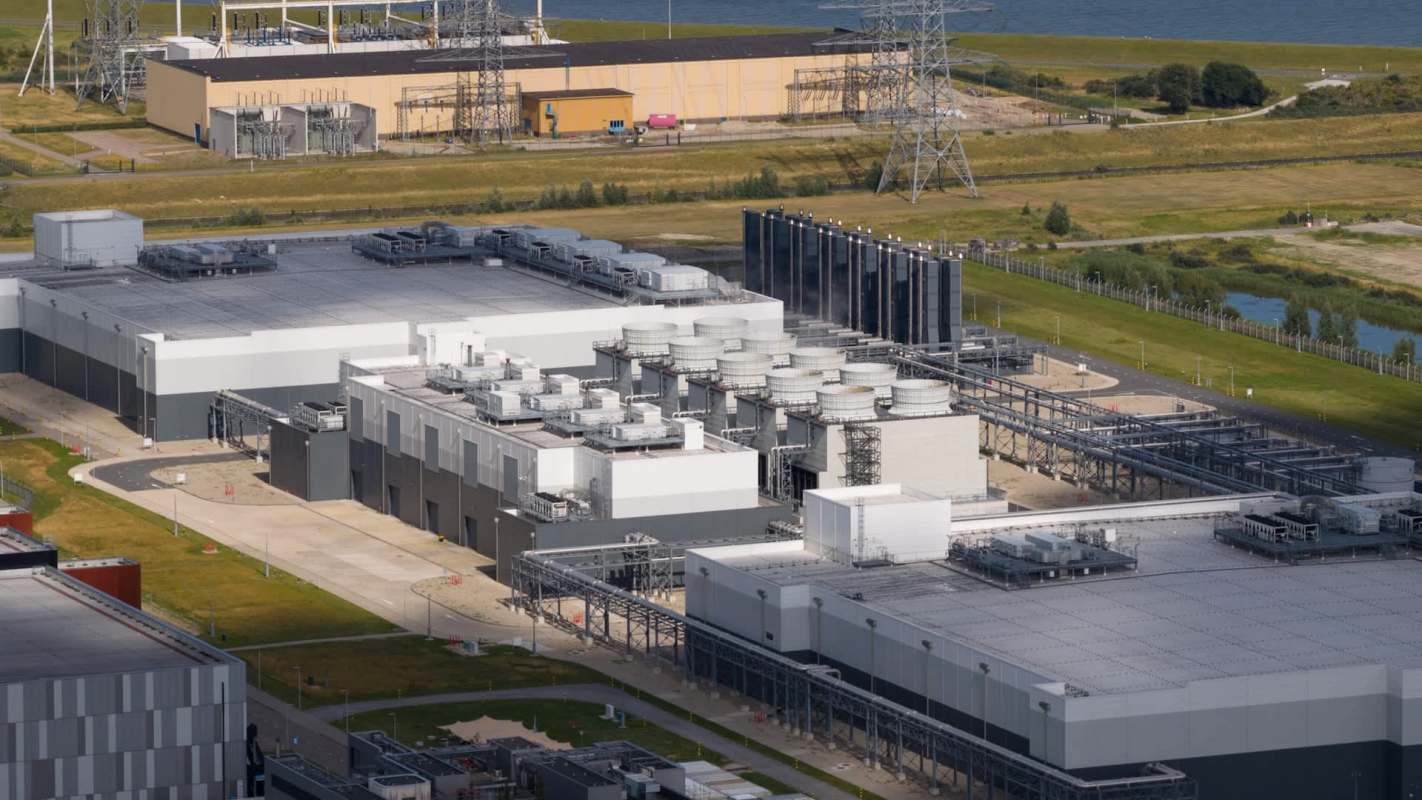
After checking her neighbors' bills as well, she started to suspect the increase had less to do with individual energy use and more to do with the surging electricity demands of artificial intelligence data centers.
What's happening?
A long-form TikTok report from More Perfect Union (@moreperfectunion) argues that rising utility bills are tied to the rapid growth of artificial intelligence data centers.
Homeowner Cassandra Linas appears at the start of the video and says that while her usage went down, she still saw a $29 increase in supply charges on her bill.
The report claims part of the issue runs through regional power markets such as PJM, which covers 13 states and about 65 million people. In a recent capacity auction there, prices jumped 800%, and More Perfect Union said PJM's monitor found data centers were responsible for 63% of that increase.
@moreperfectunion Data centers are driving up utility costs. As companies like Amazon and Meta pour billions into data centers across the country, it's raising electricity bills. While they're making record profits, the rest of us are forced to foot the bill.
♬ original sound - More Perfect Union
The video also says data centers now account for about 4% of U.S. electricity demand, a share expected to triple within three years as Amazon, Meta, Microsoft, and Google continue to pour money into AI infrastructure. More Perfect Union put it plainly in the video's caption: "Data centers are driving up utility costs."
TCD Picks » Quince Spotlight
💡These best-sellers from Quince deliver affordable, sustainable luxury for all




Why does it matter?
For consumers, the problem may show up as a bigger monthly electric bill. When utilities have to pay more for power or invest in new infrastructure to serve large data centers, those added costs can end up in customers' supply and delivery charges.
The video also says some of the biggest tech companies are making utility arrangements out of public view and argues that if those firms do not cover the full cost of the power plants and grid upgrades needed for them, ordinary ratepayers may be left to make up the difference.
The report cites one estimate saying data centers could add $160 billion to U.S. grid costs over the next 15 years, and that household electricity rates could rise by as much as 70% if nothing changes.
AI is not without its potential benefits. The technology could help improve grid management, predict energy demand, and support cleaner power systems.
However, AI data centers consume enormous amounts of electricity and water, raising concerns about pollution, cost burdens, security risks, misuse, and broader social consequences, including increased bills for families that are already under financial pressure.
What's being done?
Maryland lawmakers passed a bill that puts data centers and other large-load users in a separate customer class, a step meant to make it easier to assign infrastructure costs to the businesses creating the demand rather than spreading them across everyone else.
According to the video, Oregon passed a law this spring with a similar goal of separating data center costs from those paid by other ratepayers. Advocates say measures like these can make it more difficult for utilities to spread the cost of AI expansion across households and small businesses.
As Linas put it: "I think they're the ones that need to pay for these infrastructures you know not myself."
One commenter agreed with that sentiment, writing: "People shouldn't pay for it. The companies should pay for it."

Get TCD's free newsletters for easy tips, smart advice, and a chance to earn $5,000 toward home upgrades. To see more stories like this one, change your Google preferences here.






