


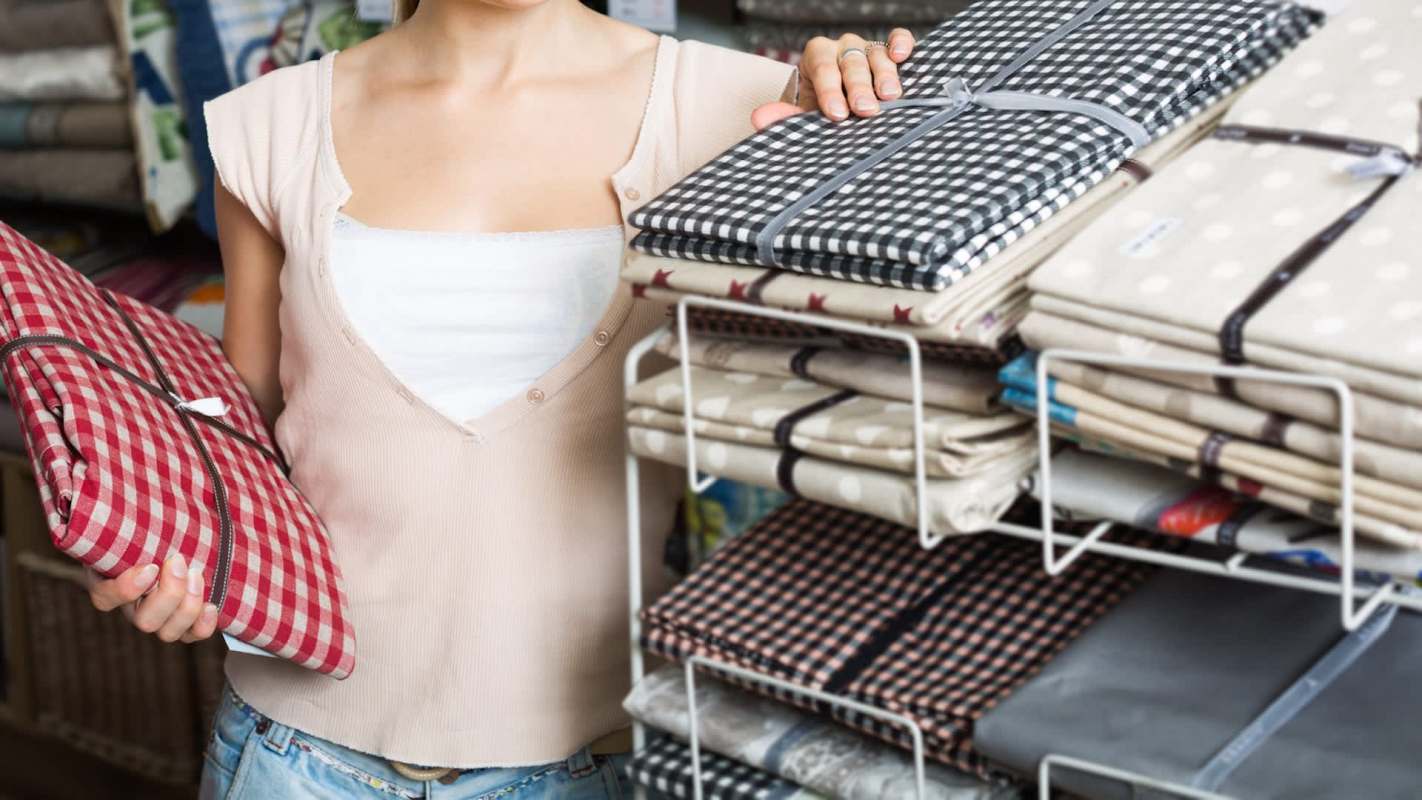
A thrifted duvet cover is the latest reminder that some of the best fashion finds may be hiding in the linen aisle, not on the clothing rack.
A DIY dress made from secondhand bedding sparked an upbeat round of discussion, with commenters trading their own ideas for finding cheap fabric.
What's happening?
A keen crafter shared a Reddit post in the forum r/ZeroWaste about a dress made from thrifted materials.
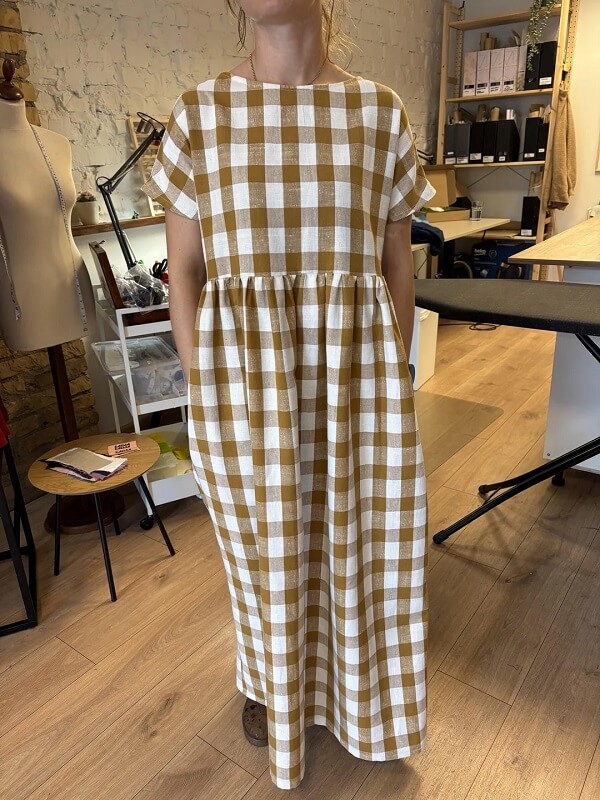
Rather than purchasing new fabric by the yard, the creator used a sizable thrifted duvet for the project.
When asked about a pattern for the dress, the original poster said they did not have a digitalized pattern but that it was "a basic kimono style [on] top and huge rectangle which makes [the] skirt."
Why does it matter?
Buying secondhand textiles instead of new fabric can help cut costs.
TCD Picks » Quince Spotlight
💡These best-sellers from Quince deliver affordable, sustainable luxury for all




Thrift stores are home to underused textile resources, especially bedding and other linens, which often contain 100% cotton, a lot of yardage, and heavily discounted prices. A similar amount of new cotton fabric can cost significantly more.
It also offers a practical way to avoid some of the waste tied to fast fashion. Reusing existing textiles keeps useful material in circulation longer and can help reduce demand for newly produced clothing and fabric, both of which require energy, water, and resources to make.
Upcycling allows people to create one-of-a-kind clothes that suit their style rather than settling for mass-produced pieces that may not last.
What can I do?
If you want to try this yourself, thrift stores can be a surprisingly good place to look for sewing material.
Duvet covers, sheets, tablecloths, and curtains often offer large, continuous pieces of fabric that are easier to work with than smaller scraps.
Before buying, it can help to check the fiber content and fabric weight. Inspecting seams, looking for stains, and finding worn spots can also help determine whether a textile is worth bringing home.
For beginners, simple garments such as skirts, sleeveless dresses, tops, and pajama sets can be a manageable place to start. Even if you still need to buy a pattern, thread, or zipper, using thrifted fabric can dramatically reduce the overall cost.
If sewing clothes feels too ambitious, the same approach can work for tote bags, napkins, pillow covers, or mending projects. Small swaps like these can stretch a budget while keeping useful textiles out of the trash.

Get TCD's free newsletters for easy tips, smart advice, and a chance to earn $5,000 toward home upgrades. To see more stories like this one, change your Google preferences here.






