


Archaeologists working in a cave in the eastern Pyrenees say the site is changing views of how prehistoric people used mountain settings.
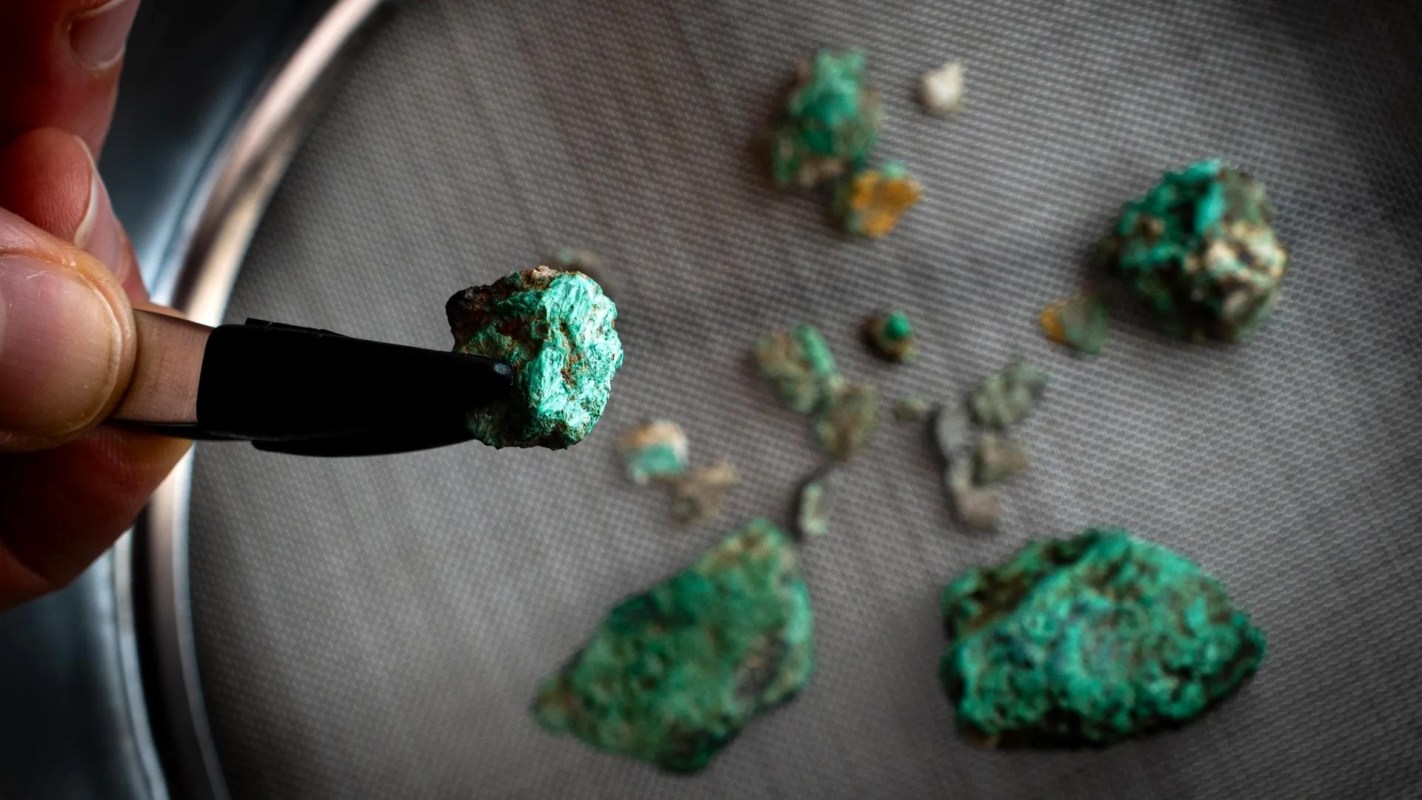
The cave, more than 7,300 feet above sea level, yielded many ancient hearths and fragments of a green mineral that may indicate early copper processing at high altitude.
What happened?
At Cave 338 in the Freser Valley, researchers found signs that people came back to the site again and again over about 2,000 years, according to Frontiers.
Excavation produced 23 hearths, burned fragments of a green mineral resembling malachite, and human remains from at least one child.
At about 2,235 meters above sea level, the cave lies in terrain long considered too remote for anything more than short prehistoric visits. The excavation points to a different pattern.
The team identified four layers of human activity. The oldest charcoal dates to around 6,000 years ago, while the strongest evidence comes from layers dated to roughly 5,500 to 4,000 years ago, plus another hearth from about 3,000 years ago.
TCD Picks » Quince Spotlight
💡These best-sellers from Quince deliver affordable, sustainable luxury for all




Lead author Prof. Carlos Tornero said archaeologists have often treated high-mountain areas as peripheral places used only intermittently by prehistoric communities.
"For a long time, high-mountain environments were seen as marginal, places prehistoric communities passed through occasionally," he said, according to Science Daily. "We found a really rich archaeological sequence, including multiple combustion structures and a very large number of green mineral fragments."
Why does it matter?
If the green mineral is confirmed to be malachite, Cave 338 may represent an early high-elevation mining camp.
That would challenge assumptions about how prehistoric communities used difficult landscapes, suggesting these mountain areas were valuable places people returned to over long periods rather than spaces they simply crossed.
Dr. Julia Montes-Landa, a co-author, said the burning pattern suggests the mineral was handled deliberately.
"Many of these fragments are thermally altered, while other materials in the cave are not, which clearly suggests that fire played an important role in their processing and that there was a deliberate intention behind it," she said.
"In other words, they weren't burned by accident."
Researchers also found a child's finger bone and a baby tooth, suggesting that the cave had burial significance alongside its practical uses.
They also recovered two pendants, one made from shell and another from a brown bear tooth, indicating social connections, symbolism, and cultural traditions that extended beyond the mountain cave itself.
Tornero said the repeated occupations were likely not permanent.
"We can't say exactly how long people stayed each time, but the repeated use of the space and the density of remains suggest occupations that were short to medium in duration, but happening again and again over long periods of time," he said.
He also said the research is ongoing.
"The identification of the green mineral as malachite is still preliminary," he said, adding, "This summer we will continue the archaeological work."

Get TCD's free newsletters for easy tips, smart advice, and a chance to earn $5,000 toward home upgrades. To see more stories like this one, change your Google preferences here.






