


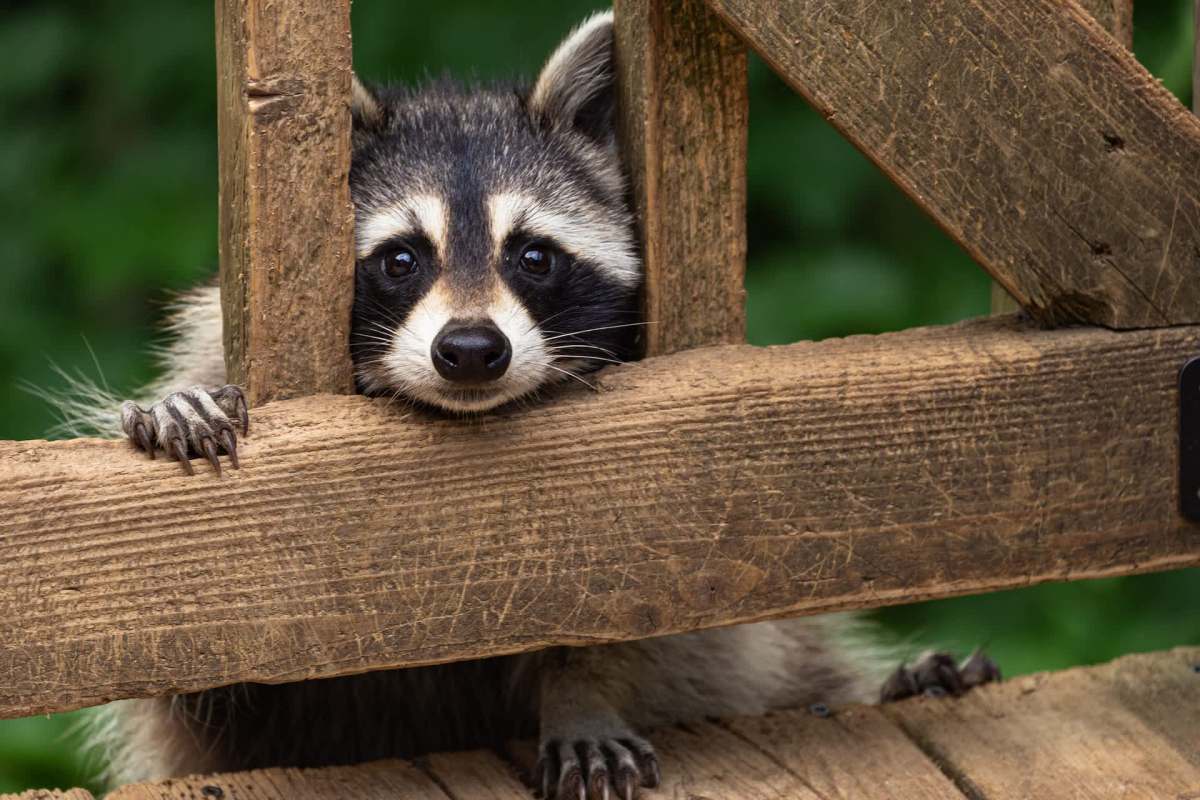
Baby raccoons can look a lot like the internet's idea of a perfect pet: fluffy, curious, and eager to climb into almost anything.
However, a biologist's viral explainer is a reminder that the same traits that make young raccoons seem so adorable also make them nearly impossible to domesticate.
What's happening?
In a widely shared Reddit post, a raccoon biologist argued that the furry little bandits were never domesticated alongside dogs and cats and explains why they never will be.
The biologist's first point was that raccoons are too intelligent to be domesticated. To highlight that point, she explained that raccoons are one of the few animals that can understand revenge. Not only that, but they have incredible memories. So if you do something to upset them, they can remember who you are and exact revenge years later.
(Click here if the embedded video does not appear.)
She then highlighted one of the raccoons' more impressive traits — their very nimble hands. It's difficult to keep an animal locked up if it can open doors and latches. Another reason is that every domesticated animal serves a purpose. Companionship, protection, food, pest control, and clothing are all good reasons why humans domesticated animals like dogs, cats, and alpacas.
TCD Picks » Quince Spotlight
💡These best-sellers from Quince deliver affordable, sustainable luxury for all




Raccoons are valued for their fur but have historically been trapped for it rather than domesticated. Maybe the main reason humans have not domesticated raccoons is that, as the biologist put it, "raccoons are far more trouble than they're worth."
Why does it matter?
In 2026, higher counts of rabies-positive raccoons in the Northeast led the Department of Agriculture to renew warnings against keeping raccoons as pets. People who assume a rescued or hand-raised juvenile raccoon will remain friendly may instead end up with an adult animal that bites, scratches, destroys property, and resists confinement.
These outcomes can be dangerous for both humans and the animal. Wild animals brought into homes often lose their ability to survive in the wild while never becoming truly domesticated. At the same time, habituating raccoons to human spaces can worsen garbage problems, increase pets' exposure to disease, and create more conflict in neighborhoods.
What's being done?
Public agencies are leaning on a familiar message: "Leave wild animals wild." Those renewed warnings, tied to rabies concerns, are meant to discourage keeping raccoons as pets and reduce unnecessary contact between people and wildlife.
Securing trash bins, avoiding leaving pet food outside, sealing easy access points to attics or crawl spaces, and keeping dogs and cats up to date on vaccinations can all help reduce attractants and limit risky encounters.
If someone finds a baby raccoon alone, experts generally advise against trying to raise it. The safer option is to contact a licensed wildlife rehabilitator or local animal control office, especially if the animal appears injured or unusually tame. Raccoons are not failed pets — they are successful wild animals.

Get TCD's free newsletters for easy tips, smart advice, and a chance to earn $5,000 toward home upgrades. To see more stories like this one, change your Google preferences here.






