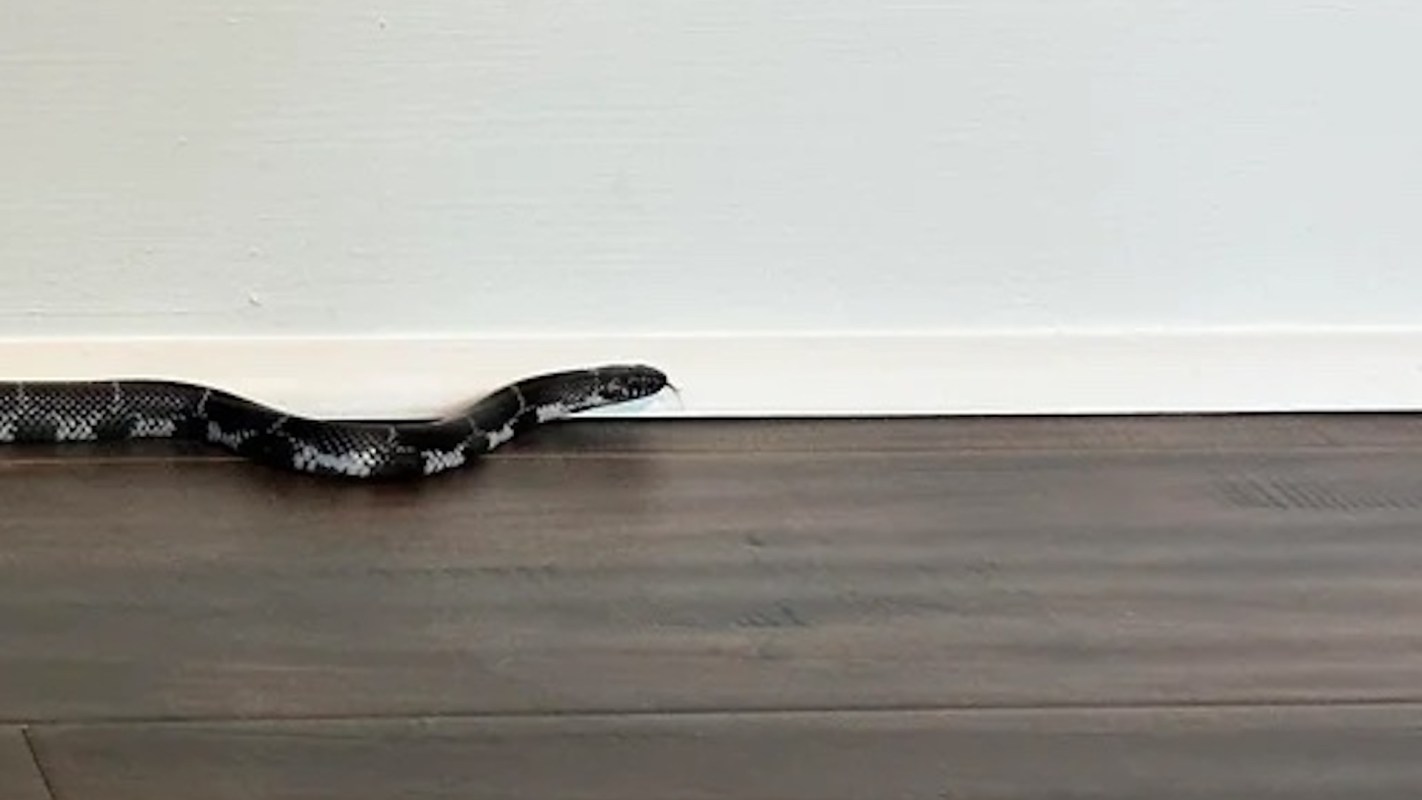
While touring a home for sale, a prospective buyer stumbled upon an unexpected resident: a glossy black kingsnake curled up inside the house.
Many commenters noted that the snake itself might not be the biggest concern. Instead, its presence indoors could be a sign that prey animals, such as rodents, were already living in the home and attracting the snake.
What happened?
The original poster shared photos in r/whatshissnake showing the animal slithering inside a house they were visiting. In the comments, users suggested it was a black kingsnake.
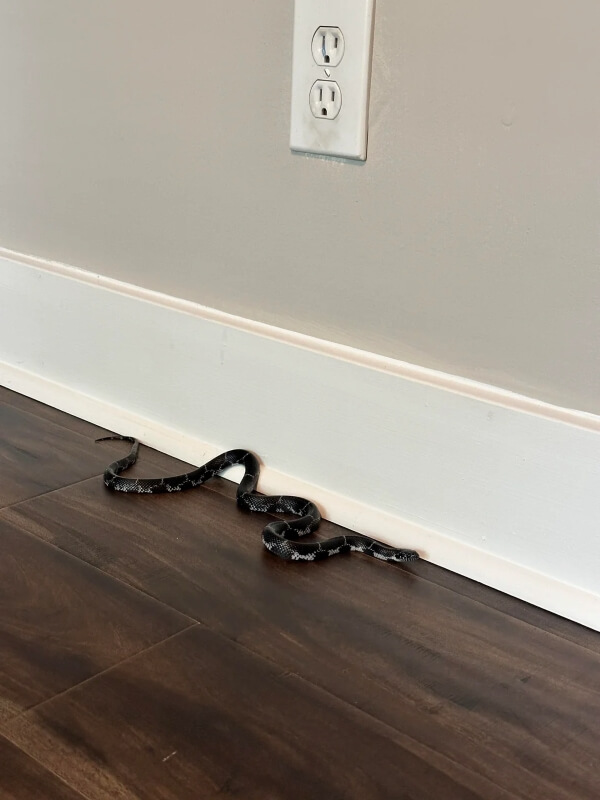
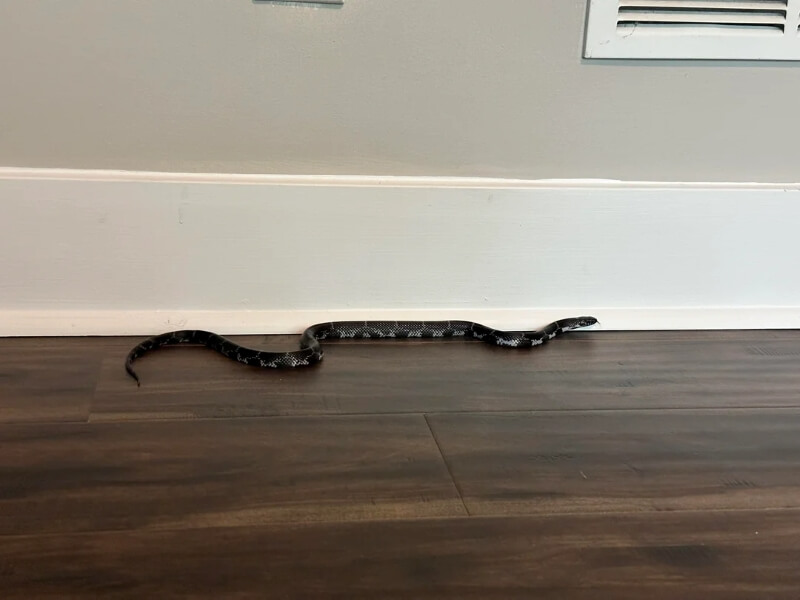
Commenters noted that nonvenomous species can turn up inside homes when rodents are present, which may indicate an existing mouse or rat problem in the building. Instead of wandering in by accident, the snake may have been following a food source.
Some commenters treated the discovery as a perk. One person described the reptile as "free built-in pest control."
While the potential buyer was less than enthusiastic about the discovery.
TCD Picks » Quince Spotlight
💡These best-sellers from Quince deliver affordable, sustainable luxury for all




"We let the seller's realtor know, so it's their problem now," they said. "Hope they just let him out!"
Why does it matter?
Predator snakes lurking in homes can, in some scenarios, suggest nearby mice or rats, as well as cracks, gaps, or other easy access points.
Wildlife encounters like this are often shaped in part by the ways people build homes, store food, and alter surrounding habitats. Houses can provide warm shelter for rodents, and those rodents can then attract predators such as kingsnakes into spaces they would not otherwise enter.
A black kingsnake is not a venomous snake, and it can actually help reduce pest populations. Still, for homebuyers, the appearance of any wild animal during a showing can point to maintenance issues that may require additional time and money to address.
What can I do?
If you spot a snake during a home tour, the safest step is to keep your distance and avoid trying to handle it. You can ask the seller or real estate agent to contact a wildlife professional if necessary, and it may also be wise to request a pest inspection before moving forward.
It is also a good idea to have the property checked for signs of rodents, including droppings, chewed materials, nests, and possible entry points around the foundation, attic, crawl space, and utility openings. Sealing cracks and reducing accessible food sources indoors can make a home less appealing to both rodents and the predators that follow them.

Get TCD's free newsletters for easy tips, smart advice, and a chance to earn $5,000 toward home upgrades. To see more stories like this one, change your Google preferences here.