


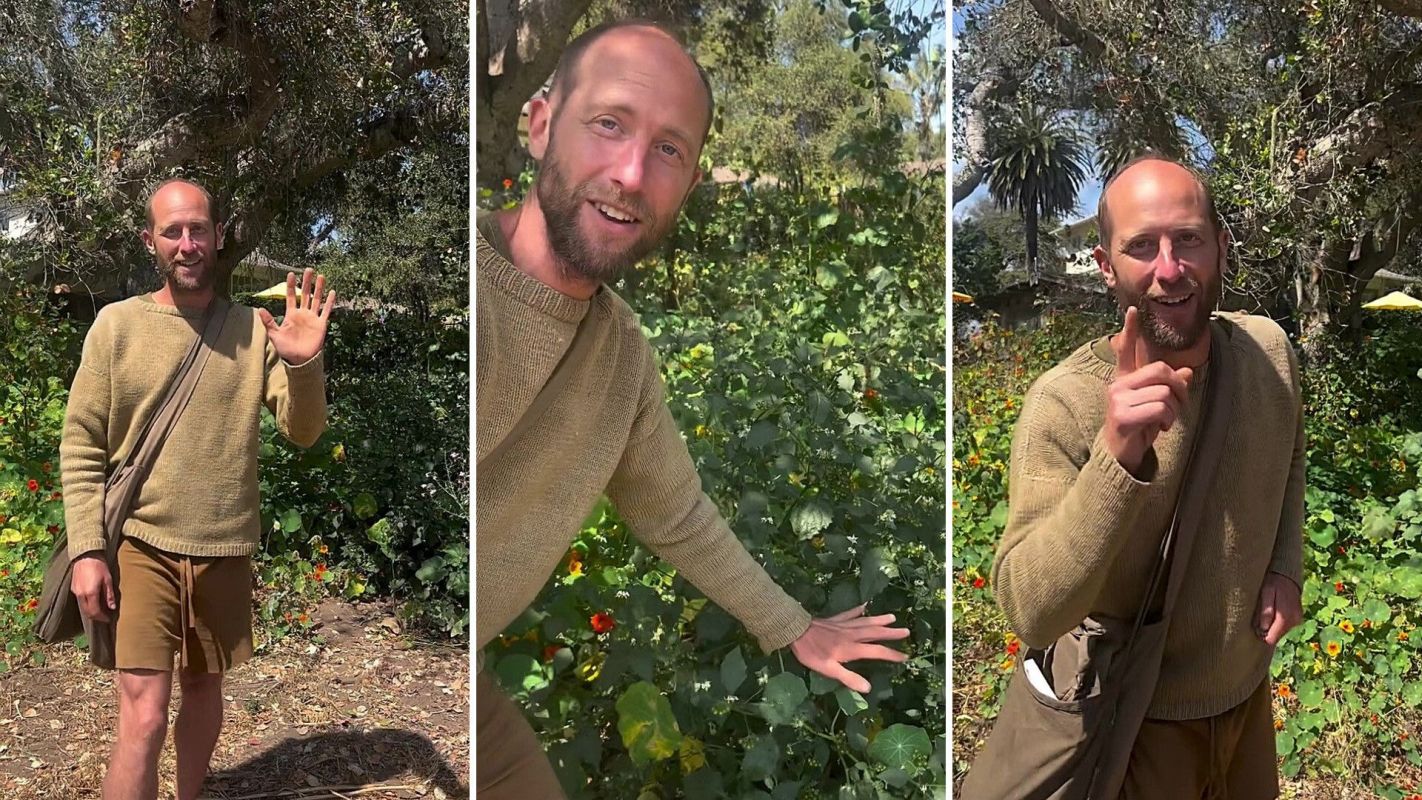
A stroll through a Southern California park can look very different once you start noticing which plants are edible.
That was the focus of a recent Instagram Reel from sustainability creator Robin Greenfield (@robin.greenfield), who spotlighted five edible plants growing in plain sight.
What happened?
Greenfield's Reel follows him through a city park as he points out wild radish, black nightshade, mallow, lamb's quarter, and sow thistle.
Wild radish is the first plant he highlights, and he said, "The wild radish, leaves, buds, tips, the seed pods, all edible."
He presents black nightshade as another edible option, noting that only ripe berries are safe to eat and that the young greens can also be eaten.
At mallow, Greenfield draws attention to its seed shape: "This is also called cheeseweed because of the cheese-shaped wheels of seeds."
TCD Picks » Quince Spotlight
💡These best-sellers from Quince deliver affordable, sustainable luxury for all




He gives lamb's quarter a familiar shorthand, saying, "We also call it wild spinach."
Greenfield ends with sow thistle, saying the example in front of him was "on the older side beyond desirability" but that the area is still "lush, full of food."
The comments backed Greenfield up, but astute viewers noticed the creator missed perhaps the best food source of all in nasturtium.
"Yo I'm so glad we all spotted the Nasturtium because I was waiting for him to say it so bad," one commenter wrote.
Why does it matter?
A park can look ornamental or neglected depending on who is walking through it, but foragers often see ingredients where others see landscaping or weeds.
Learning to identify a few safe, common edible plants could help people diversify what they eat, connect more closely with their local environment, and trim grocery costs in small ways.
Greens like lamb's quarter, for example, are often compared to spinach in home kitchens.
Correct identification matters, especially with species that can be confused with toxic look-alikes. Local rules may restrict removing plants from public land, so be careful in that sense.
What can I do?
The safest starting point is education. You can learn a handful of local plants through field guides, classes, or community foraging groups before tasting anything.
You can also start at home. Growing edible herbs, greens, or flowers in containers gives you a low-risk way to build plant knowledge and save a little money on produce.
If you do explore foraging, don't eat anything you aren't 100% sure that you can identify. Avoid polluted areas near heavy traffic or chemical treatments. Taking only a small amount is a good way to keep ecosystems balanced as well.
Greenfield's video suggests that everyday landscapes may hold more value than they first appear to.
"Food and medicine is growing freely and abundantly all around us," he says.

Get TCD's free newsletters for easy tips, smart advice, and a chance to earn $5,000 toward home upgrades. To see more stories like this one, change your Google preferences here.







