


With six U.S. detections of New World screwworm now recorded — five in Texas and one in New Mexico — Texas officials are stepping up efforts to contain the livestock parasite.
The insect primarily threatens animals, but authorities are also urging veterinarians and pet owners to stay vigilant as cases spread farther across the Southwest, Newsweek reported.
What's happening?
The jump to six confirmed U.S. cases led Texas to activate a Level II response through its emergency operations center.
One case initially counted in Texas was later reclassified as a New Mexico case after officials determined it involved a dog in Lea County.
According to the U.S. Department of Agriculture, the current tally includes five Texas cases — four calves and one goat — in Gillespie, Zavala, and La Salle counties, plus the dog case in New Mexico.
Officials are asking ranchers, wildlife managers, pet owners, and veterinarians to quickly report suspicious wounds or any signs of infestation.
TCD Picks » Quince Spotlight
💡These best-sellers from Quince deliver affordable, sustainable luxury for all




Governor Greg Abbott said the state is mounting an "escalated response," with agencies focusing on surveillance, containment, testing, and public guidance to keep the parasite from spreading further.
Why does it matter?
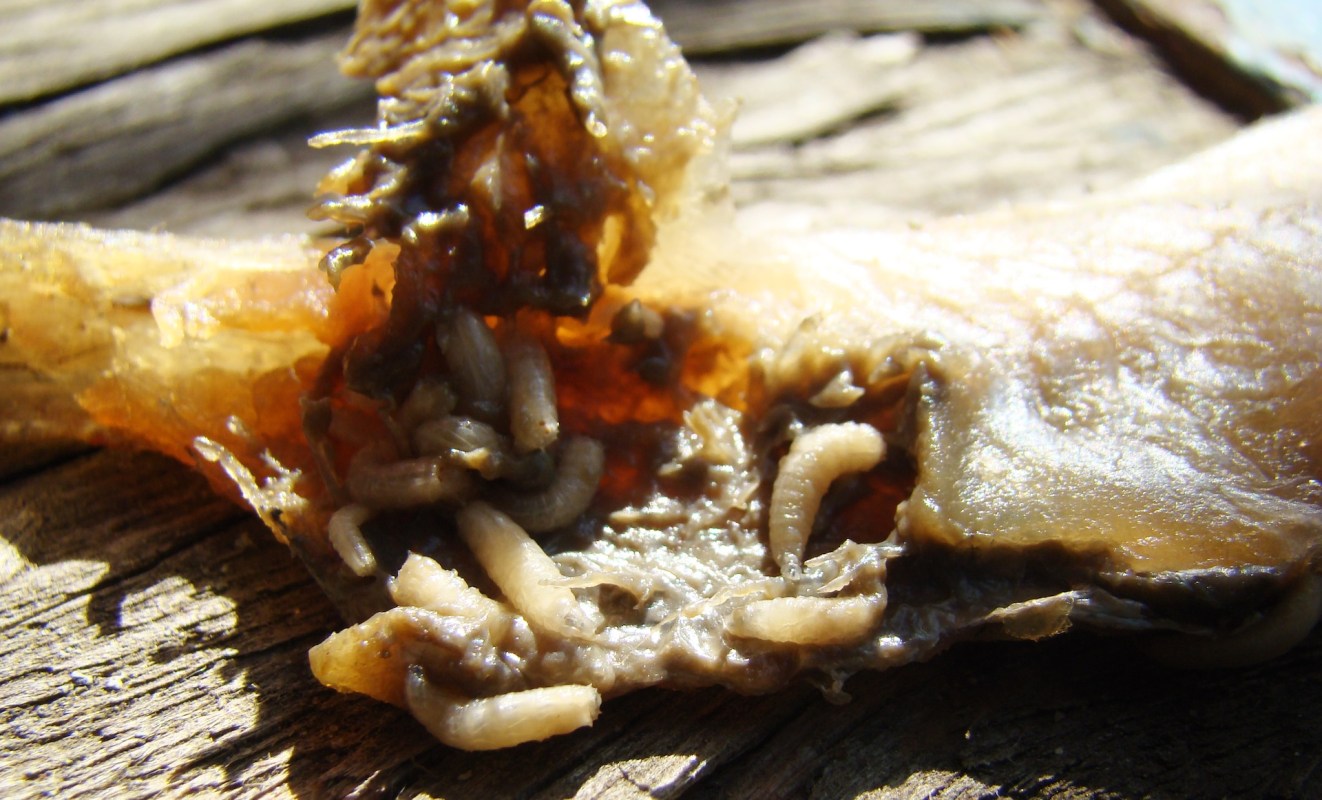
The New World screwworm is particularly dangerous because its larvae consume living tissue.
Female flies lay eggs in open wounds or body openings, and infestations can worsen rapidly if not treated.
Livestock are the main concern, though pets and wildlife can also be affected.
For pets, warning signs include worsening wounds, swelling, foul odors, visible maggots, excessive licking, agitation, or lethargy.
Human infections are rare in the U.S., but health officials say they are possible where the flies are present, especially when a person has an untreated wound.
Because Texas is the nation's leading cattle-producing state, a broader outbreak could hinder livestock movement, tighten supply, and put more pressure on beef prices.
What's being done?
The emergency activation enables Texas to move resources quickly and coordinate with agencies such as the Texas Animal Health Commission, Texas Parks and Wildlife Department, Texas A&M AgriLife Extension Service, and public health officials.
Other states and Canada have also imposed tighter restrictions on animal imports to reduce the risk of the parasite spreading.
Officials are stressing early detection and daily checks for cuts, bites, hotspots, and other unusual wounds, while also urging people to keep injuries clean and covered so flies cannot reach them.
Prompt treatment can prevent infestations from becoming life-threatening.

Get TCD's free newsletters for easy tips, smart advice, and a chance to earn $5,000 toward home upgrades. To see more stories like this one, change your Google preferences here.






