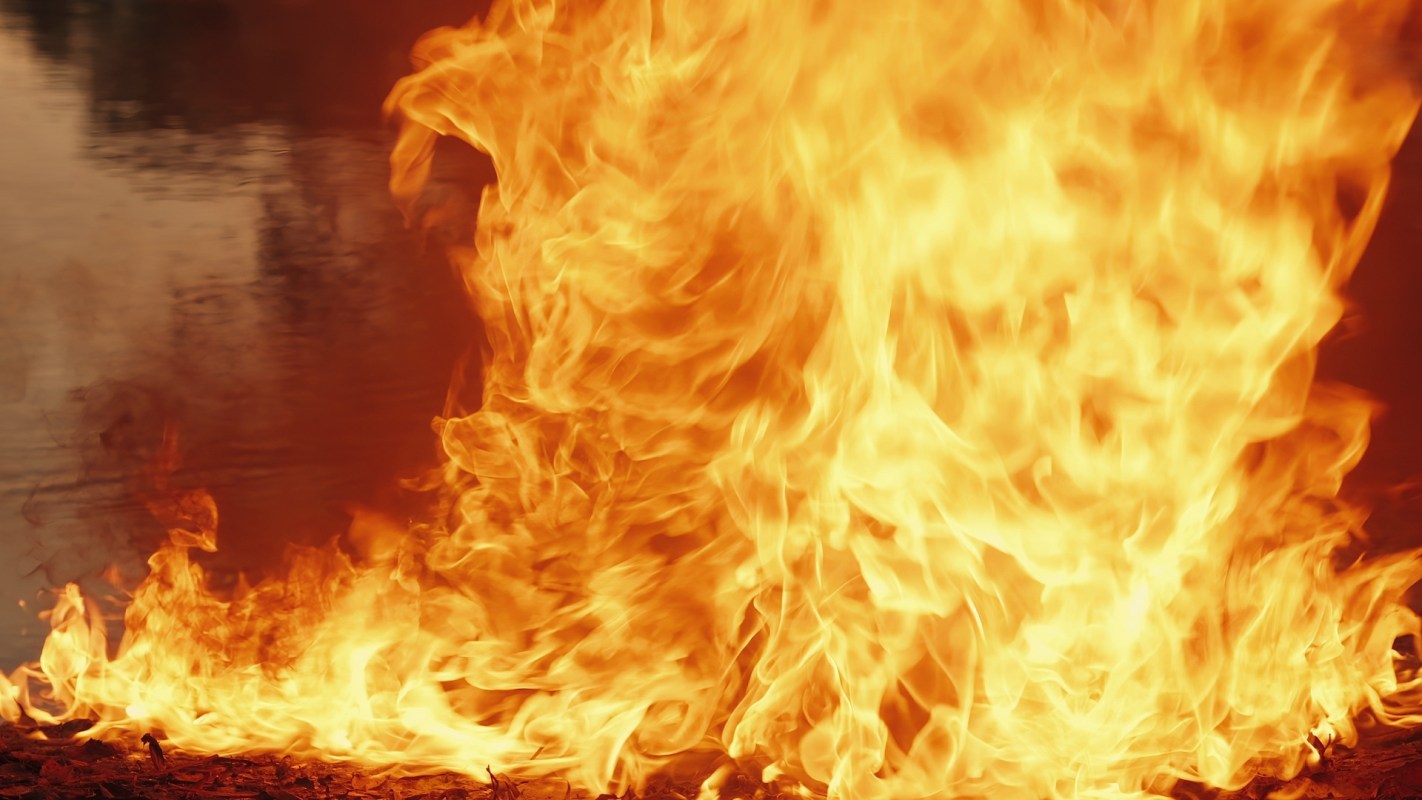
A dramatic new experiment suggests one of nature's most destructive forces could become an unexpected cleanup tool. According to new research from Texas A&M University, giant fire tornadoes could be a useful method for cleaning up oil spills.
What's happening?
As crews search for better ways to handle spills, researchers say they have now carried out the first large-scale trial of fire whirls as a method for burning oil off the water's surface.
With backing from the Bureau of Safety and Environmental Enforcement, the study was led by Dr. Elaine Oran and Dr. Qingsheng Wang of Texas A&M University along with Dr. Michael Gollner of the University of California, Berkeley.
When a major oil spill occurs at sea, one method of cleanup, known as an in situ burn, involves setting oil alight where it floats so the slick does not spread farther. That approach can shield shorelines, but it also creates heavy black smoke and leaves some of the oil unburned.
To mitigate these issues, researchers harnessed giant fire whirls, or spinning columns of flames that resemble fire tornadoes. The researchers discovered whirling fires burned through crude oil faster, lowered soot emissions by about 40%, and reached fuel-consumption efficiency of up to 95%.
To achieve the desired effect, the researchers placed a 16-foot-tall triangular structure around a pool of crude oil floating on water, producing a fire whirl that climbed to nearly 17 feet.
TCD Picks » Good Store Spotlight
Get 10% off your next purchase with code TCD10




Why does it matter?
Oil spills can devastate coastal communities, fisheries, wildlife, and local economies for years. The Deepwater Horizon disaster remains a stark example of how quickly offshore accidents can turn into long-lasting human and environmental crises.
If responders can destroy spilled oil more quickly while producing less smoke and leaving behind less toxic residue, nearby communities may face fewer air-quality risks and sensitive habitats could see less contamination.
Because the vortex pulls in extra oxygen, the flames burn hotter and more completely. In effect, the system works like a giant incinerator, destroying particles that would otherwise contribute to the thick smoke plumes common in oil-spill burns.
A more efficient burn could mean a faster emergency response, fewer harmful leftovers in the water, and better odds of protecting beaches, wetlands, and marine ecosystems that support jobs, tourism, and food supplies.
TCD Picks » Quince Spotlight
💡These best-sellers from Quince deliver affordable, sustainable luxury for all




What's next?
The researchers cautioned that the idea remains in its early stages, in part because fire whirls are difficult to manage. The strongest results appeared only under a tight "Goldilocks" combination of airflow, wind, and oil-layer thickness.
For now, the group is thinking about how the concept could be used in the field. The researchers envision a portable device that could be set over a spill to intentionally trigger a fire whirl when needed, giving crews a safer and more controlled way to use it.
It would not replace spill prevention, the most important line of defense, but it could add another option when accidents happen and time is critical.
Better cleanup technology can reduce the damage from industrial disasters that threaten shared water, air, and coastlines. Advances like this could help responders act more quickly while limiting some of the worst side effects of current methods.
"This is the first time anyone has conceived using fire whirls for oil spill remediation, and it's really just the beginning," Oran said. "This study is more than just an experiment, it's a glimpse into a future where fire isn't a force of destruction, but a tool to protect our oceans and planet."

Get TCD's free newsletters for easy tips, smart advice, and a chance to earn $5,000 toward home upgrades. To see more stories like this one, change your Google preferences here.