


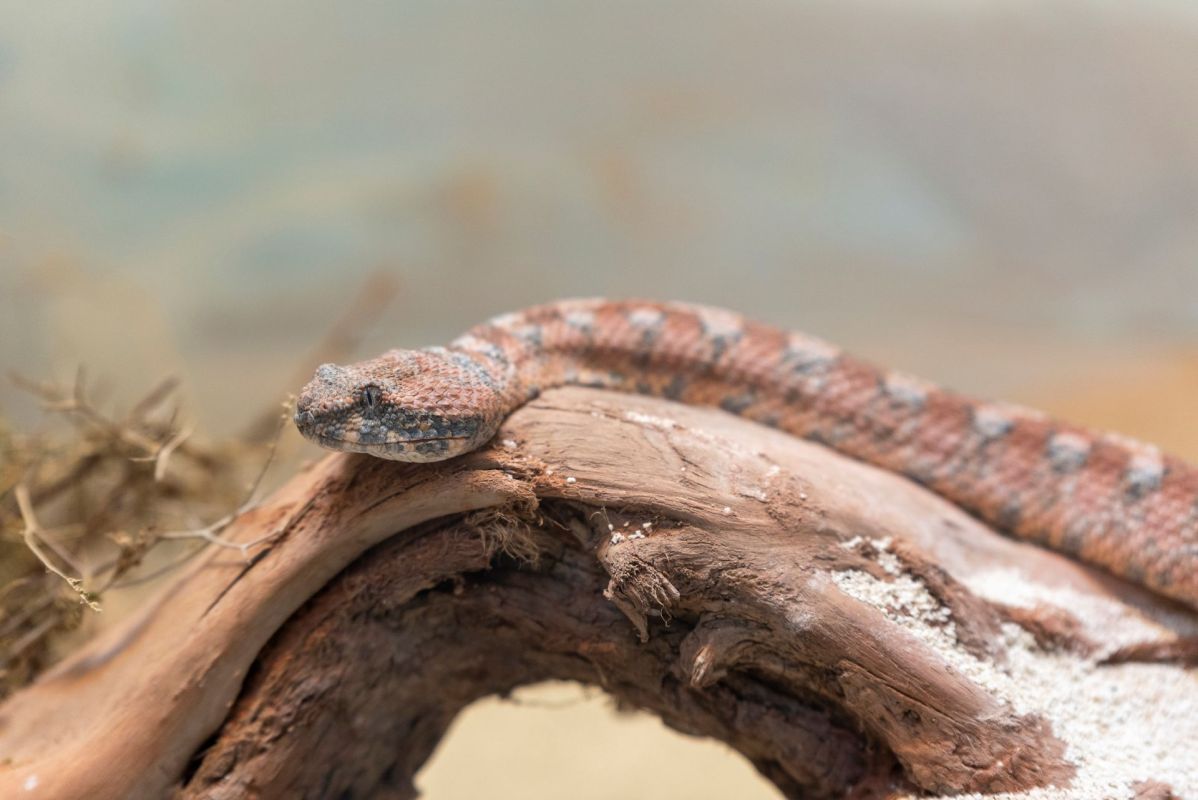
A viper bite in Jerusalem's Mir Forest on Saturday left two boys, ages 13 and 15, needing hospital care.
What happened?
Magen David Adom medical teams treated the boys at the scene and then took them to Hadassah Mount Scopus Hospital in Jerusalem, Israel National News reported.
The organization's dispatch center received the alert from the forest area at 4:55 p.m. Saturday.
The boys were expected to continue treatment and receive further evaluation at the hospital. The 15-year-old was transported in moderate condition, while the 13-year-old was in light condition.
Vipers are more active in the warm summer months and more likely to cross paths with hikers, Israel health experts have warned, according to Ynet Global.
Why does it matter?
Snakebites are relatively uncommon, but when they happen, they can become serious quickly — especially for children.
TCD Picks » Quince Spotlight
💡These best-sellers from Quince deliver affordable, sustainable luxury for all




A venomous bite can cause swelling, pain, tissue damage, and, in some cases, life-threatening complications.
In many places, including heavily used urban forests and trail systems, human activity plays a major role in bringing people into closer contact with animals as they move through their natural habitat.
Increased hiking, recreation, and development near these areas can all raise that risk.
Hotter seasonal conditions also contribute to the problem. As temperatures rise, snakes become more active at the same time more people head outside.
That overlap can increase the risk of a medical emergency.
What can I do?
If you are heading into wooded areas, brush, or rocky trails during warm weather, experts generally recommend wearing closed-toe shoes, staying on marked paths, and avoiding tall grass or places where snakes may be hiding.
Do not reach casually under rocks, logs, or shrubs.
Parents and hikers can reduce the risk by teaching children to keep their distance from any snake, even if it appears still or harmless.
If a snake is spotted, back away slowly and give it space rather than trying to move it.
Keeping dogs leashed can also help, as pets often trigger close-range encounters.
If someone is bitten, seek emergency medical help immediately.
Try to keep the person calm and still, remove rings or tight items near the bite area in case swelling develops, and avoid outdated methods such as cutting the wound or trying to suck out venom.

Get TCD's free newsletters for easy tips, smart advice, and a chance to earn $5,000 toward home upgrades. To see more stories like this one, change your Google preferences here.







