


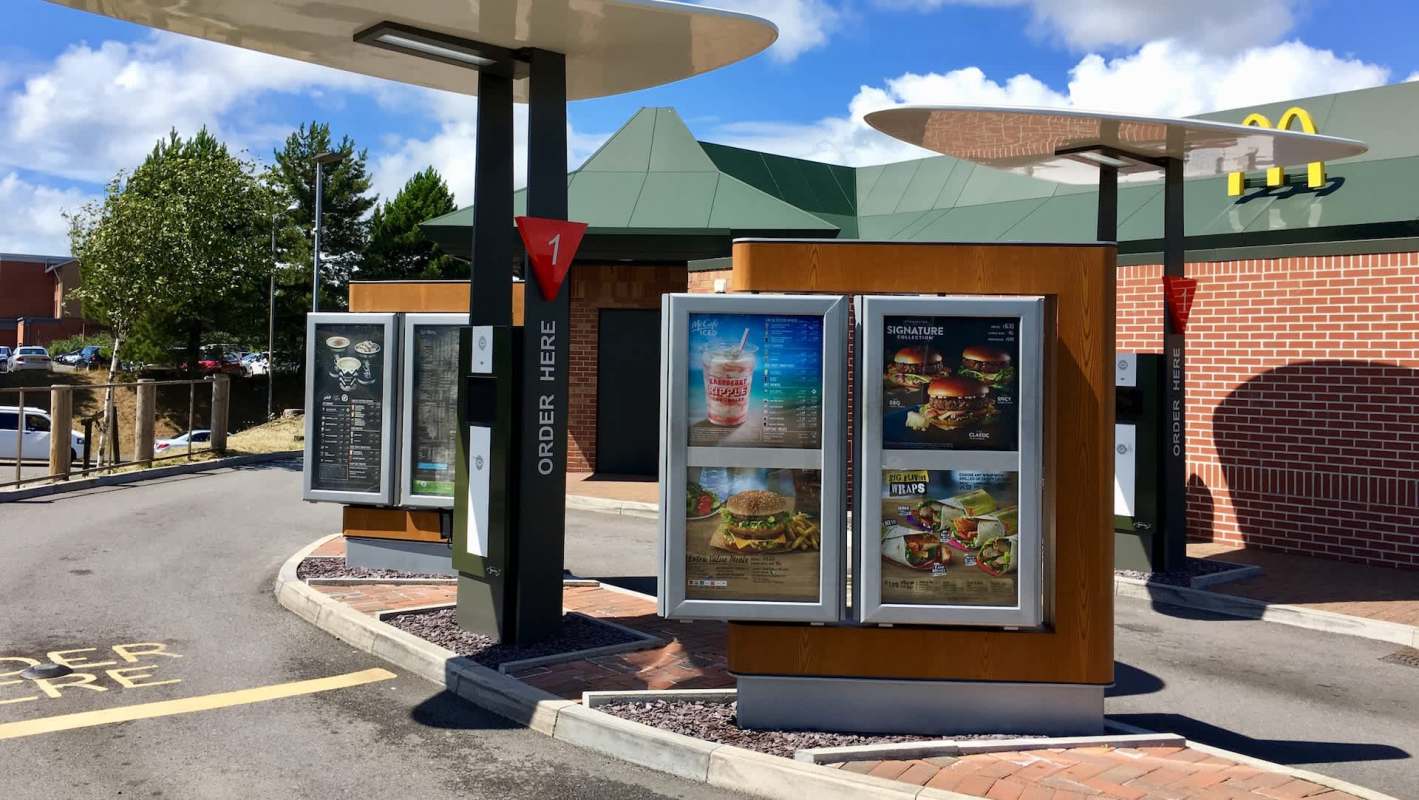
McDonald's is again leaning on artificial intelligence, now with a drive-thru ordering system that has topped 1 million transactions.
If early performance continues, the technology could change how one of the country's largest restaurant chains manages its day-to-day business.
What's happening?
The new system, called ArchIQ, is built by Google and is a successor to a failed version that IBM built. McDonald's says ArchIQ can take drive-thru orders, aid restaurant managers, and catch operational problems before they turn into longer waits, according to a Consumer Affairs article.
At this stage, the company is testing ArchIQ at five U.S. locations under its wider "McDonald's > NEXT" growth plan. Its AI order taker, Archy, can handle orders in both English and Spanish.
McDonald's says Archy has already worked through more than 1 million transactions, with employees needing to step in for only about 10% of them. Fast-food technology has had a bumpy track record, but early tests show this version being impactful.
An AI ordering pilot, developed with IBM and deployed at more than 100 restaurants, was shut down in 2024 after order errors went viral. This version is being developed with Google, alongside investments in digital menu boards, mobile ordering, and other drive-thru updates.
TCD Picks » Quince Spotlight
💡These best-sellers from Quince deliver affordable, sustainable luxury for all




Why does it matter?
This type of innovation sits right in the grey area of society. On one hand, it could mean shorter lines, fewer communication errors, and more consistent service during busy meal periods. On the other hand, it could cause job loss, environmental destruction to support AI needs, and a dystopian customer experience.
One argument is that the system could also cut down on repetitive tasks and give staff more time to focus on issues that require a human response. However, with staff likely being cut from the decision to implement this on a broader level, there will be fewer humans on the job in the first place, possibly resulting in a wash on human oversight time.
Systems like these rely on data centers and cloud computing, both of which are directly tied to added energy grid needs and buildouts. AI infrastructure is a concern all on its own, with major societal problems if the projects are rolled out too quickly or without enough oversight. Systems like this have a massive physical backend with real environmental concerns.
Another thing to factor in is McDonald's scale. Even small efficiency gains could have a major impact on its net environmental resource usage and waste. But this is a double-edged sword because scale also works in the negative: if this system ends up adding resource usage and job cuts, it will be on an unprecedented scale.
What's being done?
McDonald's seems to be framing AI as part of an operating setup, rather than an automated voice for the drive-thru. ArchIQ is designed to monitor what is happening inside the restaurant, identify bottlenecks, and notify managers before service is affected.
Paired with updated digital menus and more mobile-order options, the project reflects an effort to create an integrated tech system that can help restaurants respond in real time.
The company has not said when a larger expansion might occur, but it has been explicit that AI is at the center of its plans.
Many companies will be looking at how this works out for McDonald's and if they can really implement the system as they claim. Depending on the outcome, this project could have a much larger ripple effect on the way we get fast food.

Get TCD's free newsletters for easy tips, smart advice, and a chance to earn $5,000 toward home upgrades. To see more stories like this one, change your Google preferences here.






