


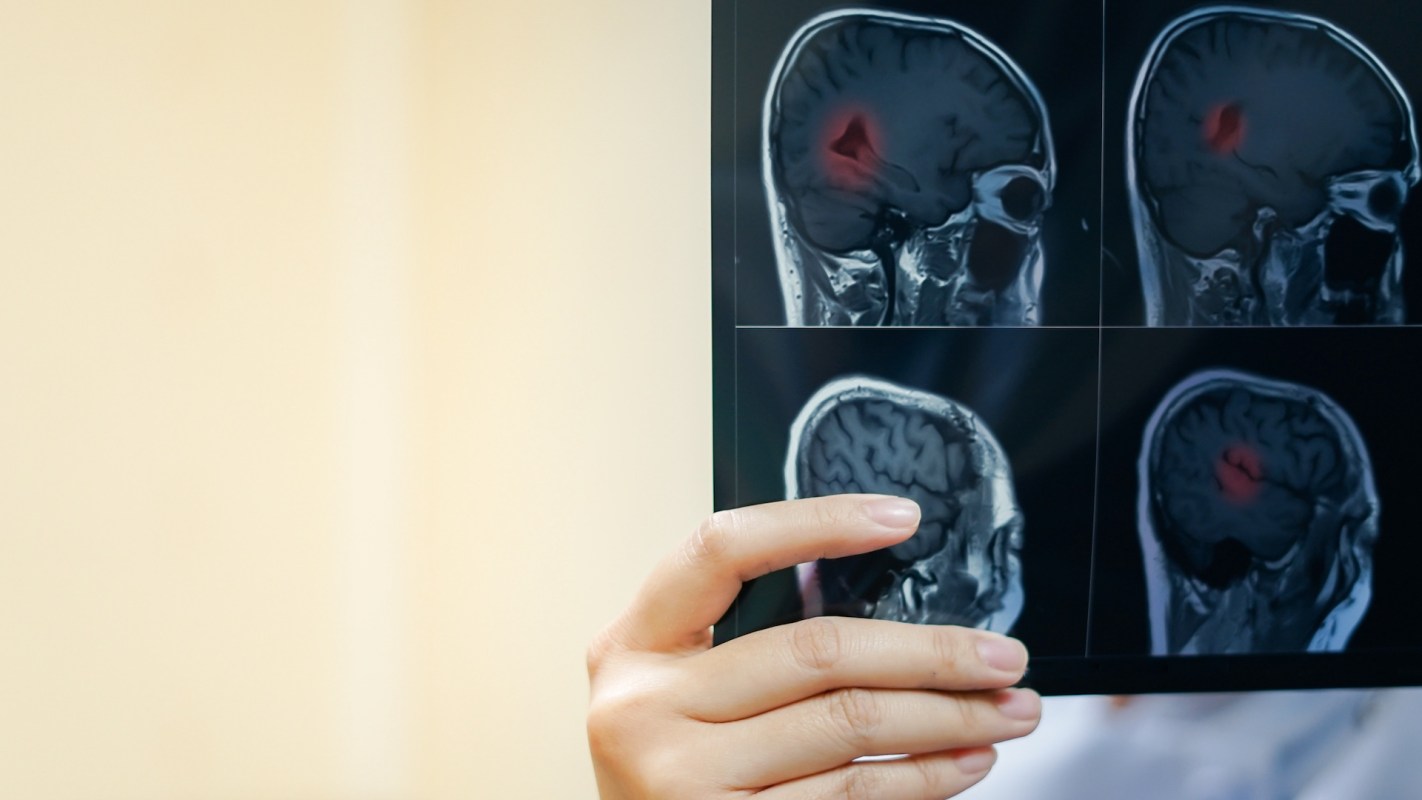
In a significant step forward for vision-restoration technology, researchers have successfully implanted a wireless brain device in a third participant. The experimental implant is designed to help people who are blind by sending visual information directly to the part of the brain that processes sight, bypassing damaged eyes and optic nerves.
According to a report from the Illinois Institute of Technology, summarized by ProPakistani, the technology is not expected to bring back ordinary sight. The hope is that it will eventually let users pick up cues such as light, motion, and simple forms that could help with daily activities like getting around.
The device under development, known as the Intracortical Visual Prosthesis, is aimed at people with profound blindness when the retina or optic nerve no longer carries visual signals. Rather than depending on the eye, it interfaces with the visual cortex, the brain region responsible for processing sight.
Visual data first comes from a camera and is processed before being transmitted wirelessly to small stimulator modules implanted in the brain. By activating the visual cortex electrically, those modules generate simple spots or patterns of light that the brain can try to make sense of.
The Illinois Institute of Technology said a third participant has now received the implant. In that surgery, performed at Rush University Medical Center, doctors used 34 wireless stimulators linked to 544 electrodes.
After a four-week recovery period, testing is expected to begin at the Hilton Center for Prosthetic Research at The Chicago Lighthouse, where researchers will assess whether the device helps participants navigate spaces and carry out basic visually guided tasks.
TCD Picks » Quince Spotlight
💡These best-sellers from Quince deliver affordable, sustainable luxury for all




For many people with total blindness, treatments aimed at the retina or optic nerve are simply not viable. If those pathways are too damaged to transmit signals, even advanced eye-based therapies may offer little benefit.
Because the implant works at the level of the visual cortex, it may offer help to people who cannot benefit from eye-based approaches. If the brain's vision-processing system remains intact, a camera-to-brain connection could become an assistive option where few others exist.
Experimental brain-computer interfaces may one day expand the range of available options, though they remain in clinical testing and are still limited in what they can deliver at this stage.
Illinois Tech researcher Philip R. Troyk is leading the project with partners including Rush University Medical Center, The Chicago Lighthouse, Johns Hopkins researchers, the University of Texas at Dallas team, Microprobes for Life Science, Sigenics, and the University of Chicago.
The current phase of the clinical research is focused on whether these artificial visual signals can help participants navigate spaces and carry out basic visually guided tasks. Early findings have suggested that this kind of limited visual perception may still prove useful, even if it remains far from natural eyesight.

Get TCD's free newsletters for easy tips, smart advice, and a chance to earn $5,000 toward home upgrades. To see more stories like this one, change your Google preferences here.






