


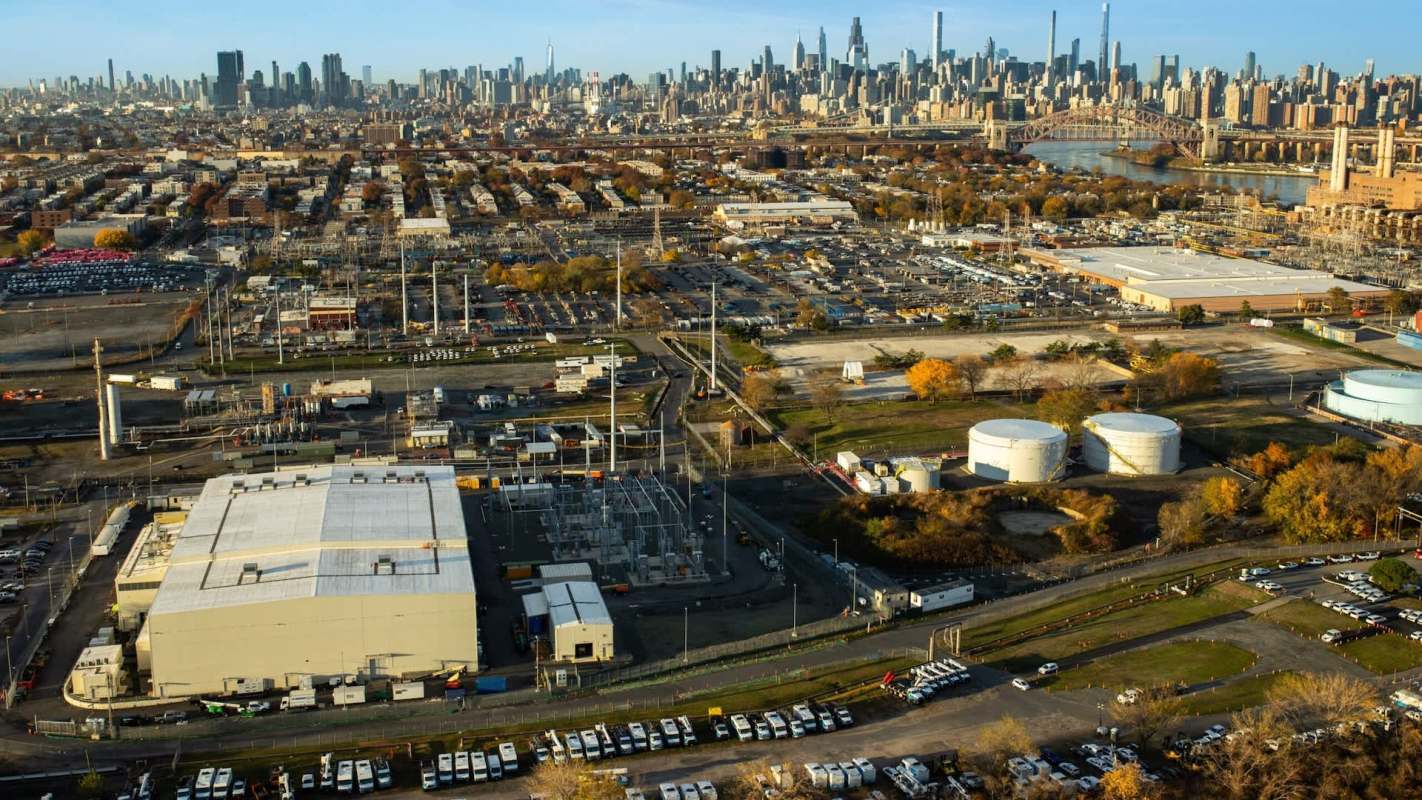
After years of delays and debate, Canadian hydropower via Hydro-Québec is now reaching New York City's five boroughs, marking a major clean-energy milestone for the city.
Canary Media reports that Canada is sending the city energy through the 1.25-gigawatt Champlain Hudson Power Express, or CHPE, power line. The project has enough energy to power all city government operations and provide roughly 20% of the city's electricity needs — enough energy to serve about 1 million homes.
Development of the project took more than a decade, with environmental groups and local residents repeatedly pushing back before it ultimately moved ahead.
Despite the initial setbacks, Canary Media noted that the project came online a few weeks earlier than expected, helping reduce the city's fossil fuel consumption as summer heat drives up electricity demand.
CHPE is one of two new transmission links carrying Canadian hydropower into the region, alongside another route that serves Maine.
Cleaner electricity on the grid can reduce reliance on polluting power plants, particularly during periods of peak demand.
TCD Picks » Quince Spotlight
💡These best-sellers from Quince deliver affordable, sustainable luxury for all




That has implications for air quality, climate pollution, and the stability of the electric system residents rely on every day to keep homes cool, lights on, and transit and public services running.
Canary Media reported that nearly 90% of New York City's electricity came from fossil fuels last year, while hydropower provided only a small fraction. The outlet said CHPE and the future Empire Wind project off Brooklyn are considered central to the city's plan to cut greenhouse gas emissions 80% by 2050.
Not everyone views the project as an unqualified win. Some experts have questioned whether Hydro-Québec will be able to continue exporting as much electricity as planned, especially after recent dry years reduced reservoir levels.
The facility was once running on 15 years of abundant rain flow, but it has struggled with consistent drought over the last three years.
However, Hydro-Québec said earlier this year that its reservoirs are prepared for drought conditions as well as increasing energy exports.

Get TCD's free newsletters for easy tips, smart advice, and a chance to earn $5,000 toward home upgrades. To see more stories like this one, change your Google preferences here.






