


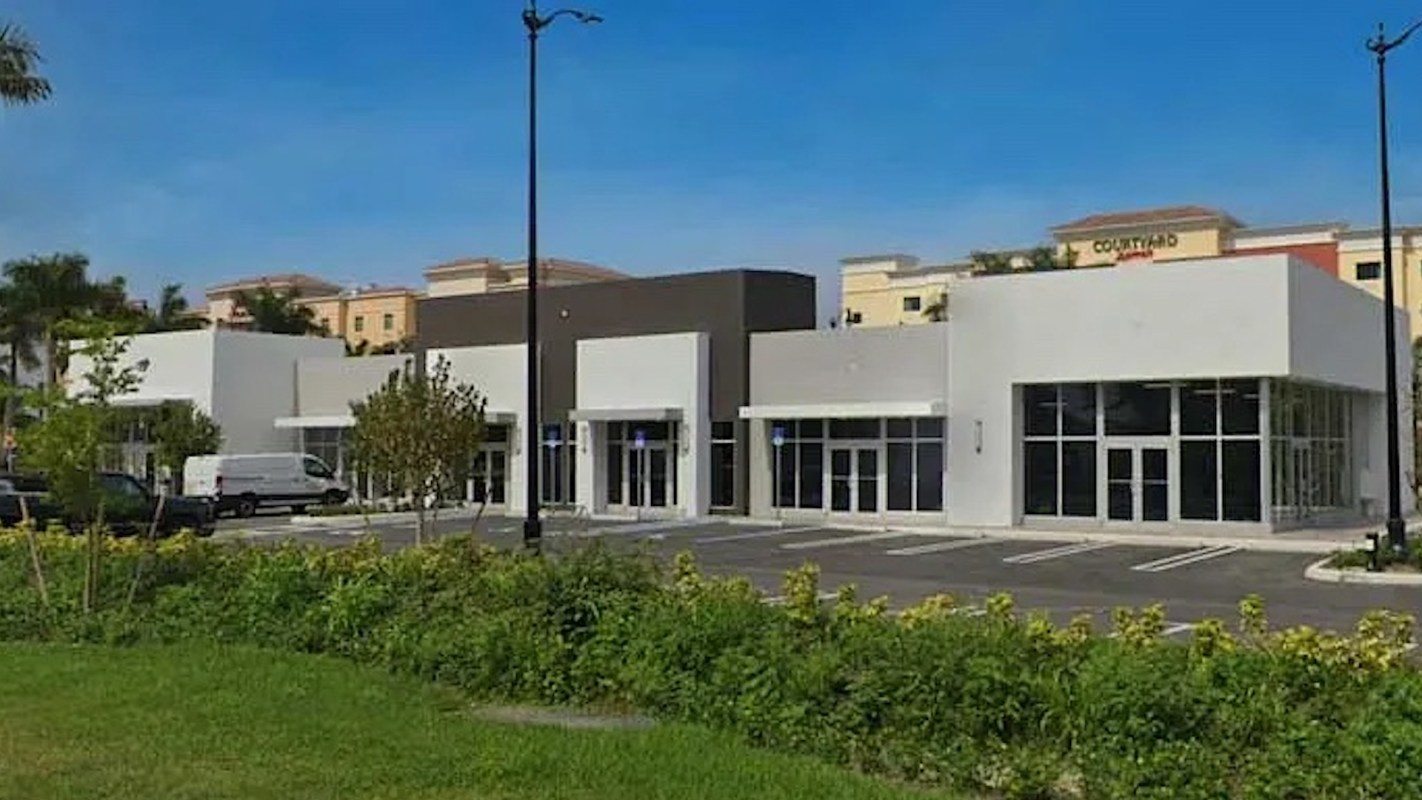
Residents of a Florida townhouse community say a developer has kept control of their homeowners association for almost 20 years, and they contend a hotel development played a role in extending that control.
The fight is headed to court, raising questions about who controls the neighborhoods people pay to live in.
According to The Real Deal, homeowner Madeline Garcia sued Villa Portofino East HOA and PMG Asset Services over governance at Villa Portofino East, a 117-home townhouse community, saying the developer-linked board should have handed power to residents long ago.
The suit says affiliates of Prime Homes at Villa Portofino East, connected to Prime Group and PMG Asset Services, stayed in charge by placing employees and other representatives on the HOA board.
Residents say the board and its lawyers maintain that the legal benchmark for homeowner takeover still hasn't been reached, a position Garcia disputes in the lawsuit.
Residents say the board failed to transfer the HOA to the homeowners and that it is using allegedly misleading claims over local land parcels to justify the delay.
TCD Picks » Quince Spotlight
💡These best-sellers from Quince deliver affordable, sustainable luxury for all




Garcia further alleges that common features such as gates, a pool, fences, pavers, and stormwater systems were not maintained while the developer-controlled board remained in charge.
A central part of the dispute involves land calculations tied to a commercial expansion.
The disagreement centers on a 2022 push by Prime Group affiliates to commercially rezone residential and common-area lots for a hotel development. Residents contend land withdrawn and transferred for that project was still included in the residential community, postponing the transfer of HOA authority.
"It's parcel manipulation," Garcia said. "The developer does have the right to annex/withdraw property, but in our case they are asserting that that withdrawn property transferred for a hotel commercial expansion is still a part of our residential community."
HOA control can affect dues, maintenance, repairs, property values, and whether residents have a voice in decisions that shape their daily lives.
If the residents are correct, they were left to pay into a community wherein key infrastructure was not maintained even as the developer kept decision-making authority.
The dispute also fits into a broader pattern of HOA frustration around the country.
In some communities, HOAs have been accused of blocking homeowners from making money-saving upgrades such as rooftop solar panels or native plant lawns, even when those improvements lower utility bills and reduce upkeep.
Filed last month in Miami-Dade County Circuit Court, Garcia's case claims negligence and alleges a violation of Florida's law on turning HOA control over to homeowners.

Get TCD's free newsletters for easy tips, smart advice, and a chance to earn $5,000 toward home upgrades. To see more stories like this one, change your Google preferences here.






