


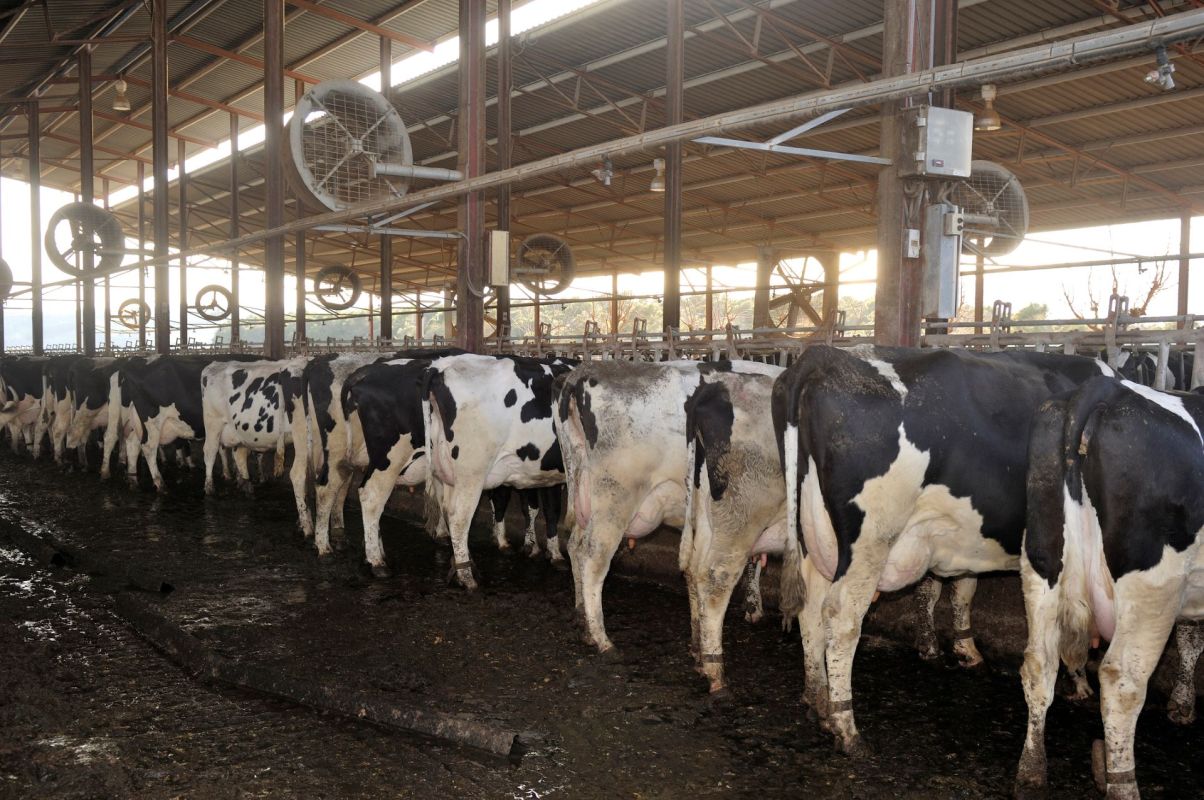
Fresh scrutiny is falling on the environmentally friendly image promoted by some of the biggest companies in meat and dairy after new research challenged how solid those claims really are.
Researchers concluded that almost none of the sustainability statements these corporations have made publicly were backed by meaningful evidence, casting doubt on the environmental commitments they market to consumers and investors.
What's happening?
In April, analysis in the journal PLOS Climate reviewed the environmental claims of 33 of the world's largest meat and dairy companies.
As reported by the Wisconsin Examiner, the companies examined included firms with Wisconsin operations such as Tyson Foods, JBS, Hormel Foods, Nestle, Saputo Cheese, and Dairy Farmers of America.
The study looked at 1,233 public environmental claims from those companies since 2021. Of those, 98% lacked supporting evidence and could be considered greenwashing, while only three were supported by peer-reviewed studies.
The study warned: "Meat and dairy companies, which produce disproportionate amounts of pollution relative to other kinds of foods, have prioritized climate change in their sustainability initiatives. They make many promises and provide very little supporting evidence."
TCD Picks » Quince Spotlight
💡These best-sellers from Quince deliver affordable, sustainable luxury for all




George Kraft, the former leader of the Center for Watershed Science and Education at UW-Extension and UW-Stevens Point, told the Wisconsin Examiner that the results reflect what many communities have already been seeing.
"This study is consistent with what we have experienced: big claims, big promises, but little in the way of quantifiable improvement in environmental quality," Kraft said.
Why does it matter?
Climate-friendly claims without evidence can mislead people trying to buy more responsibly, as well as investors hoping to support real climate progress. In an industry with a major greenhouse gas footprint, they can also slow down more meaningful action.
That concern is especially relevant in Wisconsin, where large dairy operations have expanded over decades. As farms become bigger and more concentrated, surrounding communities can be left dealing with worsening groundwater quality, habitat loss, and a farm system that pushes out smaller producers.
Tara Greiman of the Wisconsin Farmers Union told the Wisconsin Examiner that the environmental harm is already apparent.
"They can say as much as they want, 'look at all of our promises, look at what good stewards we are,' but the fact of the matter is that our groundwater quality is depleting in the sectors that they control, our ecological habitat diversity depleting, we are losing farmers at the same time," Greiman said.
What's being done?
Wisconsin environmental groups are calling for a more science-driven response. Clean Wisconsin recently published an agricultural climate roadmap that recommends reducing nitrogen fertilizer use, planting more perennials, improving livestock management, using no-till and cover crops, and reducing corn production for ethanol.
Chelsea Chandler, who heads Clean Wisconsin's climate, energy, and air program, told the Wisconsin Examiner that some companies may be intentionally "overstating the benefits" of certain practices, while others may be relying on incomplete or weak data. She said better data can help guide support toward strategies that actually cut pollution.
Chandler said the roadmap can help "because it's based on the latest science, it's tailored specifically to Wisconsin, and it's checking some of those claims that are overstated when it comes to the climate impacts."

Get TCD's free newsletters for easy tips, smart advice, and a chance to earn $5,000 toward home upgrades. To see more stories like this one, change your Google preferences here.






