For decades, the idea of commuting through the air has lived mostly in science fiction, splashy demos, and timelines that never quite worked out. But short-range electric aircraft are now making real test flights in the United States, even though cities still do not have many places for them to land.
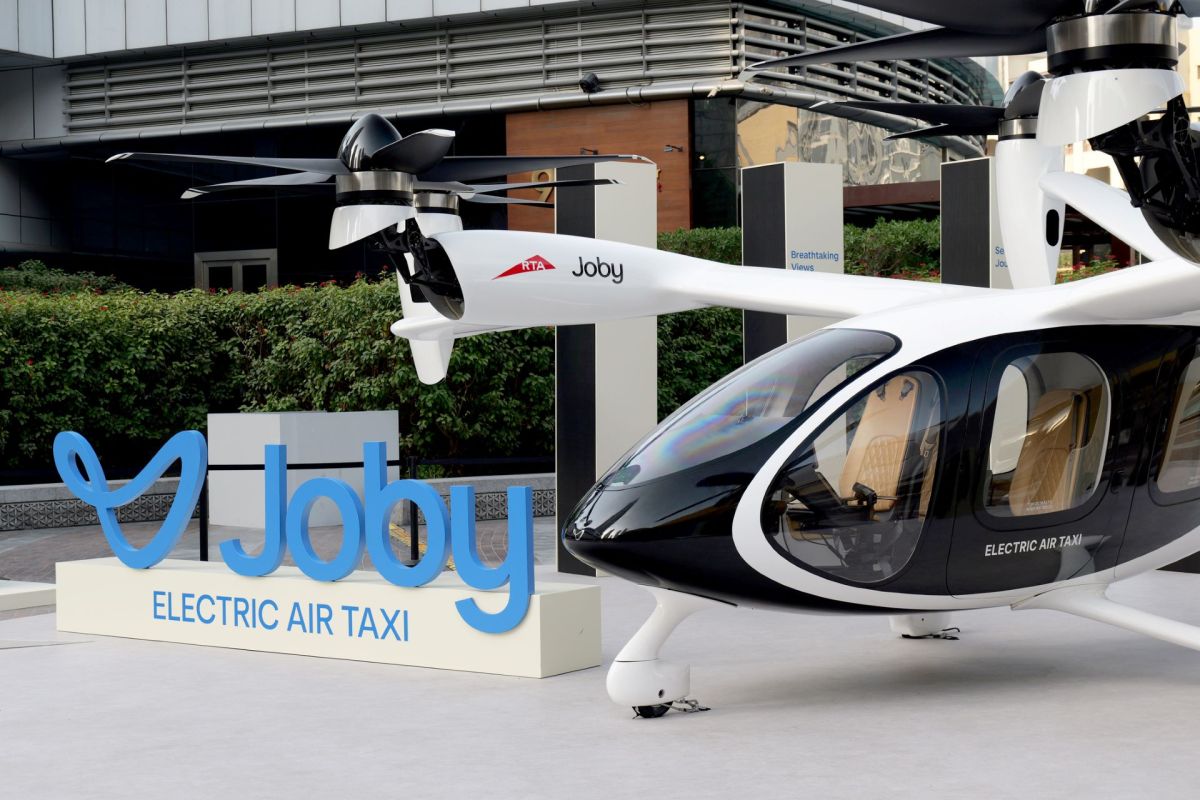
That modern take on the flying car is the eVTOL, or electric Vertical Take-Off and Landing aircraft. Rather than needing a runway, it uses several electric rotors to rise and descend, making it closer to a large passenger drone than a conventional plane or helicopter.
According to a report from Quartz, the Federal Aviation Administration has launched an eVTOL Integration Pilot Program and picked eight projects in 26 states for testing before full certification. The move brings the technology closer to widespread commercialization.
The companies involved are moving at different speeds. California-based Pivotal is already offering a personal aircraft called the Helix for $190,000, though it can only handle trips of about 20 minutes and is not permitted to operate in cities. Archer Aviation is growing its manufacturing presence in Georgia. Joby Aviation, meanwhile, conducted demonstration flights in New York City in April and, as Quartz reported, is participating in five of the eight federal pilot projects.
If these aircraft succeed, they could make daily travel easier in some of the most congested parts of the country. The appeal is simple: shorter trips, less time spent in traffic, and service that could eventually connect neighborhoods, downtown districts, and airports more directly.
That future is still some distance away. Quartz reported that no company has yet received full FAA approval for commercial passenger service in the U.S., and the earliest certifications are still thought to be at least a year off. Safety, especially in dense urban airspace, remains one of the industry's central challenges.
TCD Picks » Good Store Spotlight
Get 10% off your next purchase with code TCD10




Quartz also reported that United Airlines CEO Scott Kirby has said he does not support operating the aircraft near busy hub airports because of concerns about airspace safety.
Progress is underway on several fronts at once: better batteries, lighter electric motors, more investment, and a regulatory process that is beginning to catch up. Airlines are getting involved as well. Joby has an agreement with Delta Air Lines aimed at eventually linking city centers with airport terminals, which could help travelers avoid long, stressful drives.
Cities are also starting to prepare terminals for one of the biggest hurdles for eVTOLs: landing locations with charging stations.
As Quartz reported, New York City is trying to electrify its heliport network, and a vertiport recently opened near Los Angeles' Century Plaza. Still, these remain early footholds rather than a fully built-out network.
Before air taxis can become widely usable, infrastructure still has to catch up. Cities will need many more vertiports on rooftops, in parking lots, and at other small-footprint locations, and local zoning boards, property owners, and residents will all help determine where those facilities can be placed.

Get TCD's free newsletters for easy tips, smart advice, and a chance to earn $5,000 toward home upgrades. To see more stories like this one, change your Google preferences here.