


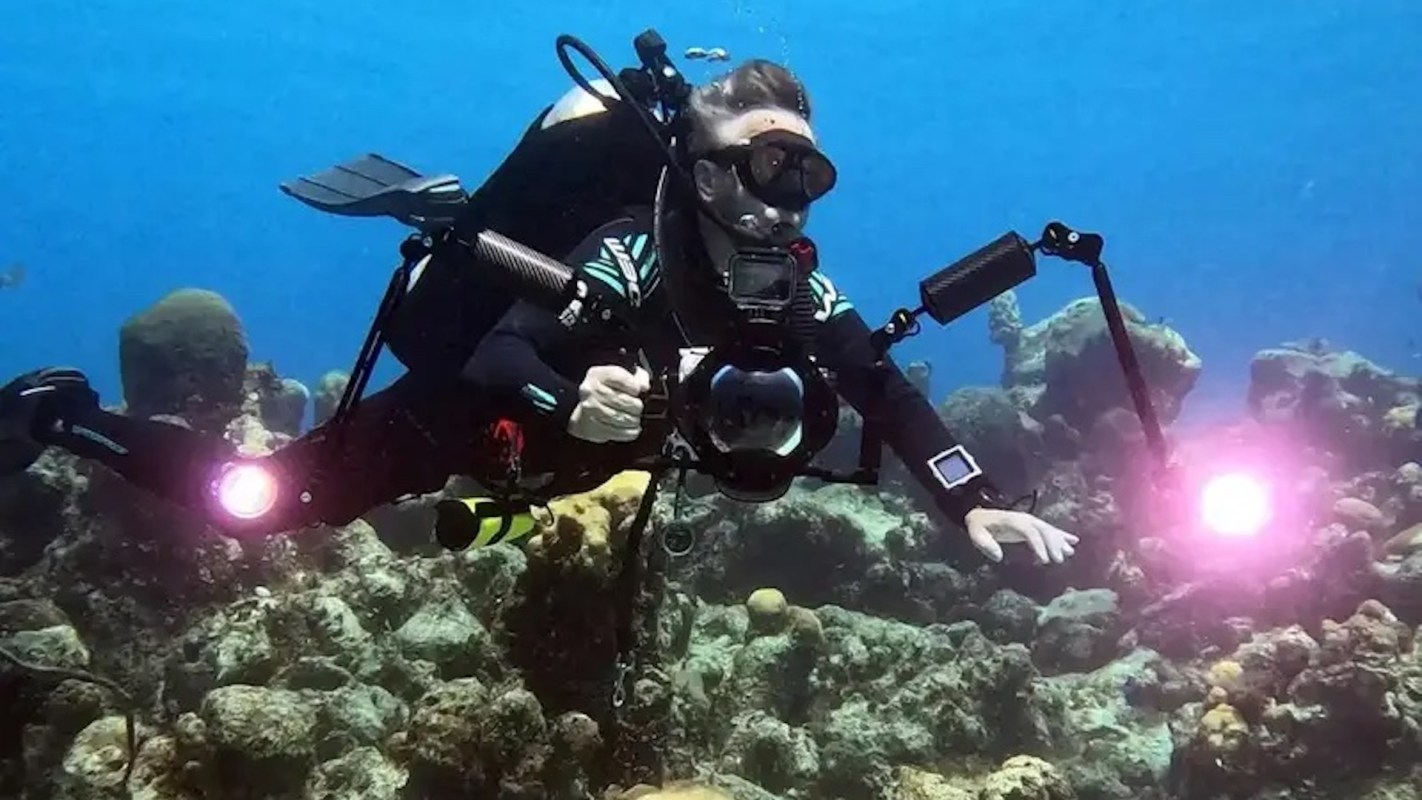
For the first time, researchers have identified and documented a series of shipwreck sites linked to the Golden Age of Piracy around Nassau Harbor in the Bahamas.
For historians, the discoveries provide something long missing from Nassau's pirate-era story: physical evidence from the seafaring world that helped make the port one of the most infamous hubs of piracy in the Atlantic. The newly documented wrecks offer a rare opportunity to connect historical accounts of the harbor's turbulent past with artifacts and remains preserved beneath the water.
According to a report from Archaeology News, even though the Caribbean region has long carried a reputation as the pirates' capital, where hundreds of pirates gathered to tally and divide stolen goods and repair ships, no sunken ship in nearby waters had previously been identified as connected to that world.
Around Nassau Harbor, a joint project by the New Providence Pirates Expedition and Wreckwatch TV identified six wreck sites. Three belong to the Golden Age of Piracy, between the late 17th and early 18th centuries, when Nassau operated as a base for figures including Henry Avery, Blackbeard, Benjamin Hornigold, Calico Jack Rackham, and Anne Bonny.
At a site about 35 kilometers east of Nassau, the team recovered iron cannons, lead musket balls, swivel guns, and a grinding stone that was likely used to sharpen swords.
Inside the harbor, another wreck retained part of its wooden structure beneath a ballast, and its burn damage fits the idea of pirates setting a captured vessel on fire after looting it.
TCD Picks » Quince Spotlight
💡These best-sellers from Quince deliver affordable, sustainable luxury for all




Beneath Nassau's old bridge, a separate site produced hull planks, rigging, bottles, galley bricks, and clay tobacco pipes marked with images such as a unicorn, a horse, and a crown, helping date the cargo to 1740s London.
The wrecks help move pirate history out of legend and into the archaeological record.
Researchers can now study the tools, cargo, ship construction, and signs of violence that shaped life in Nassau during and after its pirate peak.
The discoveries could also have a more immediate impact in The Bahamas, where historical tourism is a major draw.
New findings like these can support museums, educational programs, and conservation efforts while giving residents and visitors a clearer picture of Nassau's history.
Researchers say the finds point to a far harsher version of pirate Nassau than the polished one many people recognize from films like Pirates of the Caribbean.
Marine archaeologist and co-director of the project, Dr. Sean Kingsley, said the settlement resembled a tough frontier community more than the romantic fantasy often shown on screen.

Get TCD's free newsletters for easy tips, smart advice, and a chance to earn $5,000 toward home upgrades. To see more stories like this one, change your Google preferences here.






