


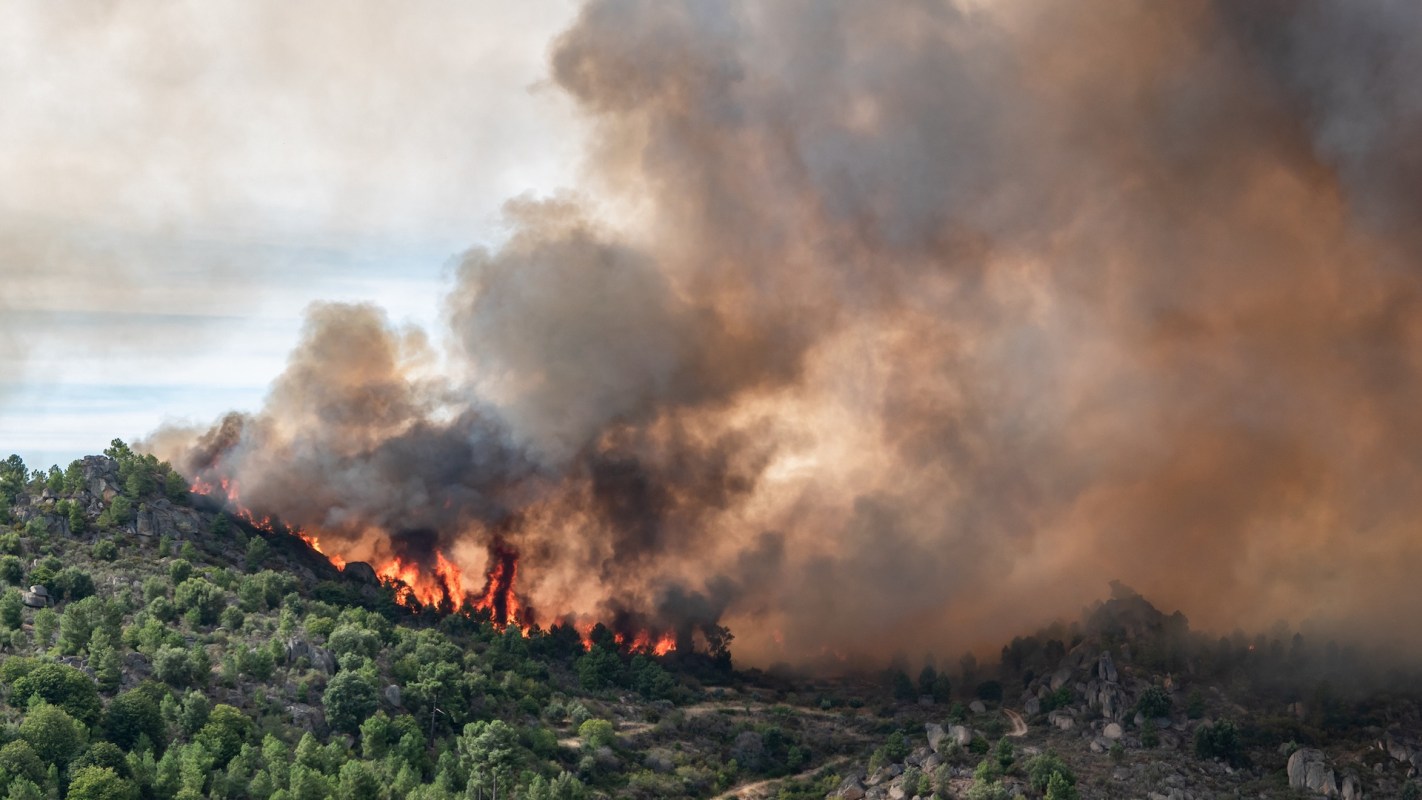
In Colorado, officials are reminding homeowners that wildfire preparedness is not something that begins when smoke appears on the horizon.
As KSJD reported, while many people picture homes catching fire when the main wildfire front reaches them, officials say one of the greatest threats actually comes from flying embers. Carried by wind far ahead of the flames, these burning fragments can ignite roofs, decks, vegetation, and other vulnerable areas, putting homes at risk long before the fire itself arrives.
"Most houses are actually lost by these embers flying and landing on places on the house that's very vulnerable," Moore, a supervisory forester with the Colorado State Forest Service, told KSJD.
Jim Spratlen, Montezuma County's emergency manager, said that the county's wildfire response depends on factors such as where a fire occurs, who lives nearby, access routes, and the essential services in its path.
Local organizations are also stepping up to help the community prepare.
Dolores Watersheds Collaborative, for its part, is putting together a Wildfire Ready Action Plan. The project examines how wildfire-related damage could impact the area long after the flames are extinguished.
TCD Picks » Quince Spotlight
💡These best-sellers from Quince deliver affordable, sustainable luxury for all




Nina Williams, the project's coordinator, told KSJD that the upper Dolores plan is examining the chain of effects that can follow a major fire when significant precipitation arrives afterward.
It highlights that heavy rain after a high-intensity burn can rapidly reshape the terrain and introduce a different round of hazards.
"That can look like increased flooding, debris flows, hill slope erosion, runoff, or increased sedimentation," Williams said.
Burned landscapes can become more vulnerable to flooding, erosion, and landslides because the vegetation and root systems that once stabilized hillsides and absorbed rainfall have been damaged or destroyed. Homes, roads, and water infrastructure can remain at risk for months or even years after a fire.
For residents, officials say long-term planning and home preparation, as well as quick emergency response, are important for wildfire safety.
Keeping dry vegetation away from your home and clearing leaves and debris from gutters can help reduce the risk of wind-driven embers starting a fire. In the short term, officials recommend preparing for possible power outages as utility crews inspect electrical lines.
They also advise keeping a paper map on hand, knowing evacuation routes in advance, and having plans in place for pets, livestock, and any essential medical equipment that could be affected during an emergency.

Get TCD's free newsletters for easy tips, smart advice, and a chance to earn $5,000 toward home upgrades. To see more stories like this one, change your Google preferences here.







