


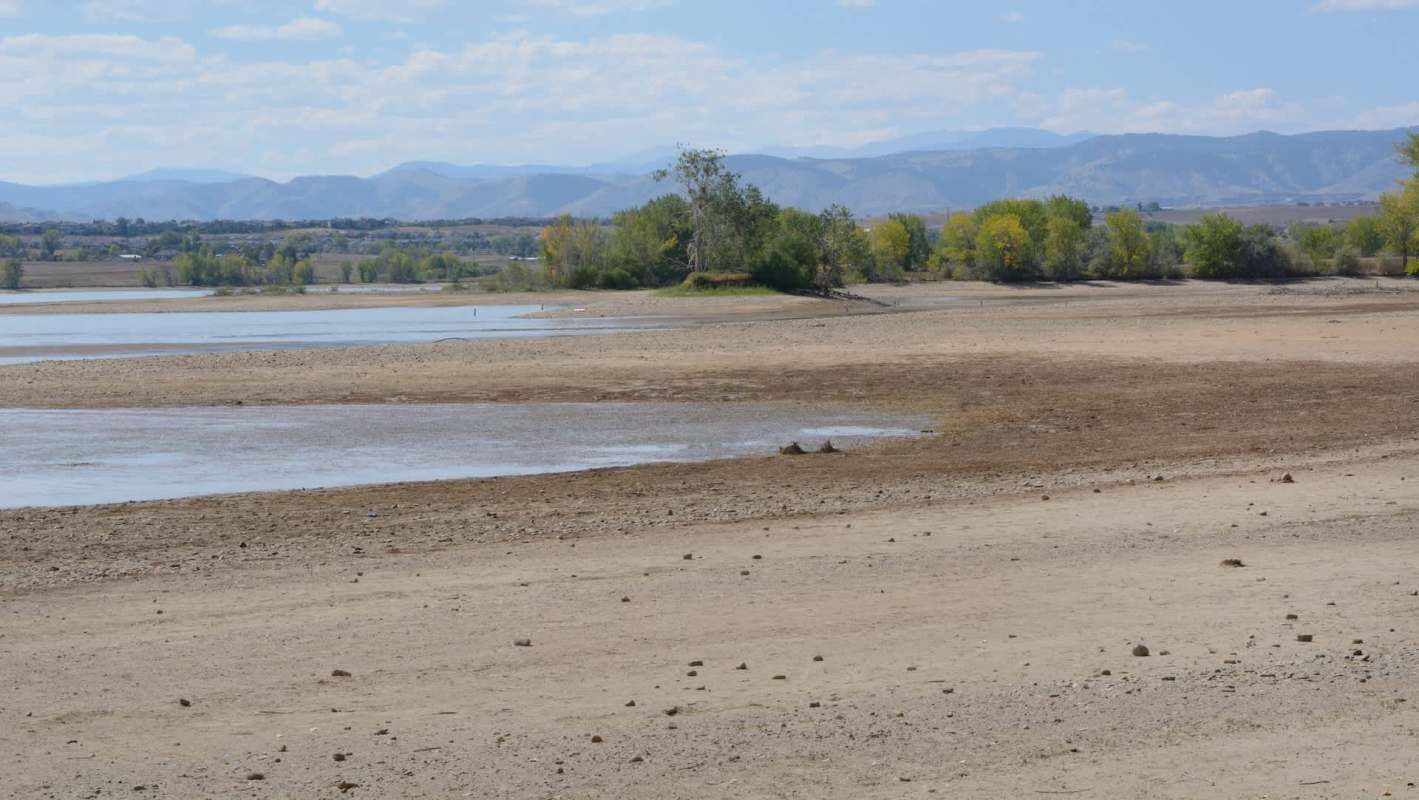
Colorado has entered its most severe drought response phase after a record-low snowpack and persistent heat have driven rivers and reservoirs toward historic lows.
Governor Jared Polis declared a statewide emergency on June 4, unlocking additional funding as communities, farmers, and water managers brace for a punishing summer, reported CPR.
Polis' declaration moves Colorado into Phase 3 of the state's Drought Response Plan, a level reserved for prolonged, severe dry conditions.
The move allows the state to deploy additional resources to help public lands, agriculture, and residential water users.
It could also open the door to a federal emergency declaration from the White House.
The governor had already activated the Drought Task Force in March.
TCD Picks » Quince Spotlight
💡These best-sellers from Quince deliver affordable, sustainable luxury for all




At its latest meeting on Monday, Russ Schumacher, the state climatologist, said heat and weak snowpack had combined to produce one of Colorado's driest summers on record.
According to the latest U.S. Drought Monitor update, 93% of Colorado is in severe drought, and all 64 counties are at least classified as abnormally dry.
On the Western Slope, key water storage sites are under severe stress.
"Green Mountain Reservoir … which is really critical for West Slope water users, has never experienced the low conditions that we are seeing right now," said Tracy Kosloff, a deputy state engineer with the Colorado Division of Water Resources, per CPR.
Ranchers are fallowing fields, reducing herd sizes and, in some cases, hauling water long distances as canals run dry.
Cities and towns across the state have also imposed water restrictions, affecting households and businesses alike.
Worsening extreme weather disasters are straining drinking water supplies, increasing wildfire risk, and putting pressure on food production and local economies, endangering lives and livelihoods.
Colorado Ski Country USA reported ski tourism dropped 20% during the 2025-2026 season.
In Winter Park, sales tax collections fell 37% in April and were down about 10% for the year, according to Mayor Nick Kutrumbos. Requests for food and rent assistance had risen sharply in recent months.
Agencies are tracking water supplies, coordinating local restrictions, and working to support communities facing the worst shortages. The Colorado Resiliency Office is also working with local governments to monitor water supplies and both voluntary and mandatory water limits.
The Department of Agriculture is focusing not only on water logistics but also on farmers' and ranchers' mental health as the crisis deepens.
Forecasters now predict a strong El Niño that could bring some rain later in the summer and fall.
"The river flows are going to be extremely low into the summer. They already are low, they're going to stay low," Schumacher said, per CPR.
Still, he added, "It's not going to save us from the problems we're going to have with the stream flows and the water supply this summer, but maybe by later in the summer and in the next fall."

Get TCD's free newsletters for easy tips, smart advice, and a chance to earn $5,000 toward home upgrades. To see more stories like this one, change your Google preferences here.






