


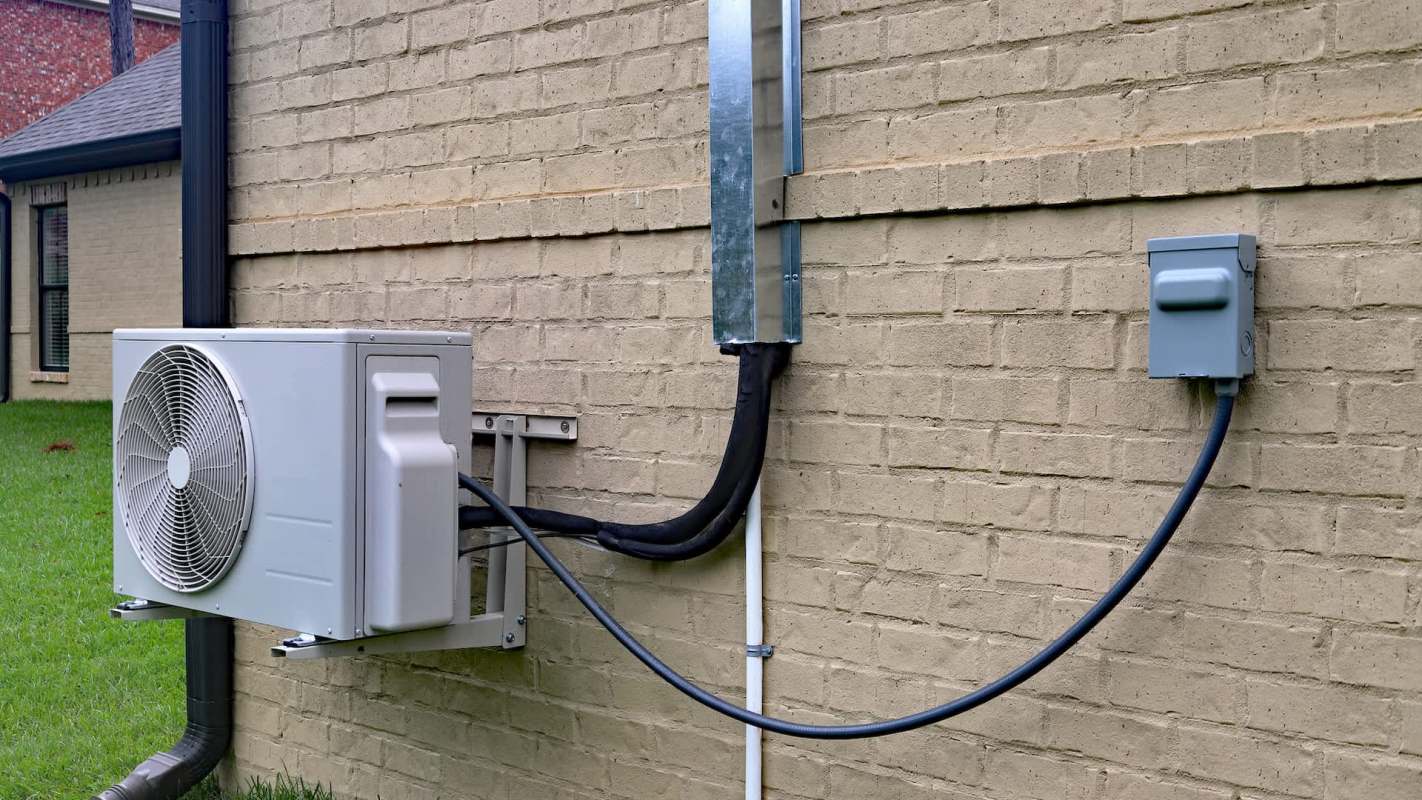
For homeowners facing the cost of replacing an aging oil system, a heat pump quote can trigger serious sticker shock.
A new Massachusetts homeowner ran into exactly that dilemma after receiving a post-rebate estimate of $25,000 for whole-home ductless heat pumps and questioning whether it made more sense to keep using a 1951 oil furnace.
What's happening?
That question came up in a recent Reddit discussion, where the poster explained: "My wife and I recently bought a home in central MA and have been getting quotes to have ductless heat pumps installed to potentially heat and cool the entire home."
Cost was the main concern.
"Is it worth the $25k investment (post rebate) plus the increase in monthly electric bills?" they asked, noting that the roughly 1,800-square-foot house still uses "oil heating through the original furnace from when the home was built in 1951. It operates at 74% efficiency."
One commenter offered a direct response: "Definitely worth it, might take 8-10 years to fully recoup, but make sure to consider that heat pumps have minimal maintenance compared to oil, electric heat is significantly cheaper than oil, and you may need replacements or expensive repairs on the oil system anyways."
TCD Picks » Quince Spotlight
💡These best-sellers from Quince deliver affordable, sustainable luxury for all




They added that the comparison should include more than fuel costs, citing repair exposure, insurance factors, and the possibility of an oil tank leak.
Why does it matter?
Many households in the Northeast are facing similar choices as older oil systems wear out and interest grows in equipment that can both cool in summer and heat efficiently in winter.
Focusing only on monthly utility costs can miss part of the picture. The homeowner said a replacement boiler had also been quoted at about $15,000.
Commenters also pointed to everyday advantages. A whole-home heat pump can handle both heating and air conditioning, and several noted that cooling is becoming less optional in much of New England.
They also described heat pumps as requiring less maintenance than oil-burning systems.
There is also an environmental upside. Moving away from oil heat can reduce household pollution while eliminating the risks associated with storing heating oil on-site.
What can I do?
Commenters recommended getting several quotes and asking installers specific questions about cold-weather performance, backup heating, and warranty details.
They also warned that some contractors require paid annual service or maintenance plans for full warranty coverage.
Another takeaway from the discussion was to compare a heat pump project not just with current oil bills, but with the likely cost of repairing or replacing an aging boiler or furnace.
Pairing solar panels with efficient electric appliances can push utility costs lower.

Get TCD's free newsletters for easy tips, smart advice, and a chance to earn $5,000 toward home upgrades. To see more stories like this one, change your Google preferences here.






