



A Reddit user who paid extra for a dog collar marketed as durable and backed by a lifetime warranty said that the value proposition unraveled after the product snapped years later.
What happened?
Writing on r/BuyItForLife, a Reddit user explained that C4 collars appealed to them for both customization and toughness, saying "their names and phone numbers could be printed directly onto the collar," and that it was "waterproof, smell proof, and overall just durable."
That durability, however, only lasted so long.
The user wrote, "Well, one of the collars broke after four years," and said the situation became more frustrating when they learned, "Turns out, they got bought out and now they do not have to honor their lifetime warranties. Why is it legal that companies don't have to abide by the warranties when they take over?"
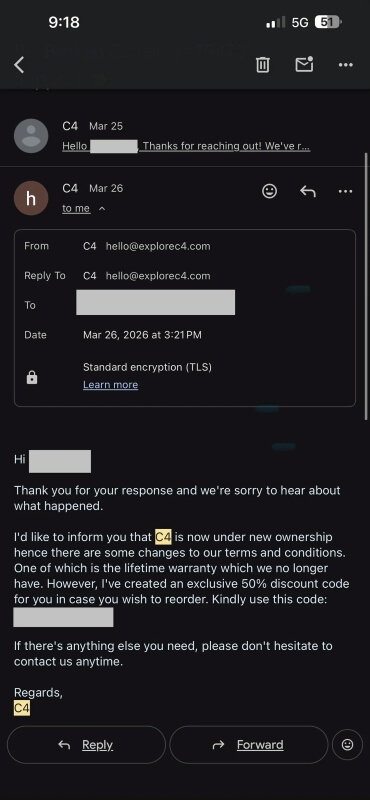
Some commenters said companies absolutely should honor lifetime warranties.
"They are wording it in a way to make OP think they cannot use the warranty. OP needs to tell them directly that they want to use the lifetime warranty," one person wrote.
TCD Picks » Quince Spotlight
💡These best-sellers from Quince deliver affordable, sustainable luxury for all




Others noted that acquisitions are not always handled the same way.
"Oftentimes a new company purchases the name and assets only and none of the liabilities. Nothing obligates them, in this case," another commenter wrote.
Why does it matter?
For shoppers seeking to buy fewer, better-made products, a warranty is often part of the purchase price, especially when the item costs more upfront.
When those promises disappear after a buyout, consumers may end up spending more money replacing products that were supposed to last, while still-usable items are pushed toward the trash sooner than expected.
If "lifetime" becomes a marketing term that lasts only until the next corporate deal, it can undermine trust in brands that present themselves as more responsible options.
"I believe they are legally obligated to maintain previous ownership is warranty as long as item was purchased during that warranty is existence," one user wrote, while others pointed out that the legal reality may depend on how the sale was structured.
What can I do?
If a company rejects a warranty claim after a merger or acquisition, keeping receipts, screenshots of the original warranty language, product photos, and any customer service emails can make it easier to push back.
Another shared a similar experience: "I did this when Orliey bought out shucks. The local Orliey did not want to honor the warranty. I called corporate and complained. I got my life time warranty honored."
It may also help to escalate the issue through corporate customer service, ask for the warranty denial in writing, and check whether a state consumer protection office offers guidance.
Even when a claim is not guaranteed, having the original terms on hand can strengthen the case.
Before buying any "buy it for life" item, it may be worth saving a copy of the warranty page offline.

Get TCD's free newsletters for easy tips, smart advice, and a chance to earn $5,000 toward home upgrades. To see more stories like this one, change your Google preferences here.






