


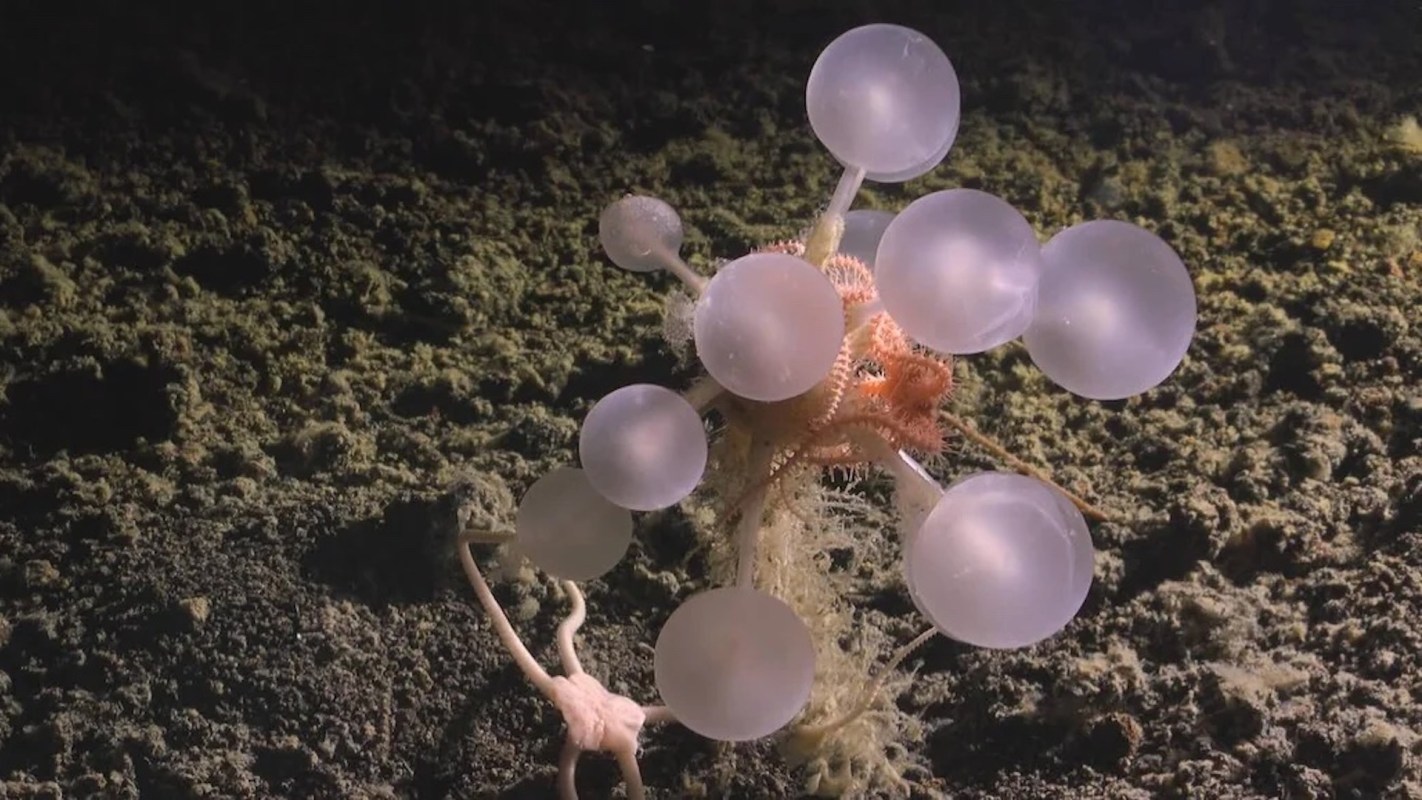
The internet is latching onto a strange deep-sea animal that looks like a movie prop, a tumbleweed, and a trap all at once.
More than 2 miles beneath the ocean's surface, Good News Network reported that scientists found a newly identified "death-ball sponge" that is now fueling equal parts awe, monster jokes, and curiosity.
What happened?
Attention around the creature grew after a post about it picked up more than 1,100 upvotes on r/NatureIsF******gLit subreddit.
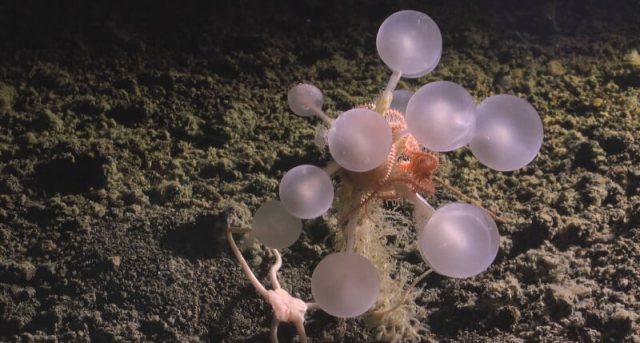
"Discovered at a depth of 3,601m east of Montagu Island, the death ball sponge uses Velcro-like hooks to catch tiny crustaceans, which are then slowly digested," the original poster wrote.
Researchers with the Schmidt Ocean Institute and the Nippon Foundation-Nekton Ocean Census expedition documented the carnivorous sponge in waters near the South Sandwich Islands. It was just one of 30 new discoveries, Good News Network noted.
In the image, the creature sits still in the darkness. Unlike many sponges, which feed by filtering microscopic food from seawater, this species catches tiny crustaceans with hook-like structures, adding to its novelty.
TCD Picks » Quince Spotlight
💡These best-sellers from Quince deliver affordable, sustainable luxury for all




Why does it matter?
The deep sea plays a major role in regulating Earth's climate and supporting ocean food webs, which in turn affect fisheries, weather patterns, and the well-being of coastal communities.
Each new species adds to scientists' understanding of how life survives under crushing pressure, freezing temperatures, and near-total darkness. Better knowledge can also lead to better protection.
"The Southern Ocean remains profoundly under-sampled," declared Dr. Michelle Taylor of the Nippon Foundation-Nekton Ocean Census, per Good News Network. "Confirming 30 new species already shows how much biodiversity is still undocumented."
The more researchers can map and document fragile ecosystems, the stronger the case for safeguarding them from pollution, warming waters, and future industrial threats before damage is done.
That helps build the evidence needed to protect biodiversity and the natural systems humans rely on. Public interest generated on social media can also help get more people behind conservation and discovery.
What are people saying?
The sponge drew a big reaction from commenters in the community, including some who chalked it up as evidence of aliens. Others thought they were looking at a video.
"I kept waiting for the Death-Ball Sponge to spongily death ball something," one wrote. "Then I realized — after twenty seconds of my life just got Death-Balled — that it's actually not a video."
One user said it sounded like a "great band name," while others called it a "Pokemon Gen 10 leak" and "SpongeBall DeathPants."
Some responses, though, were more awestruck than jokey.
"Every deep-sea creature looks like evolution got bored and started modding random assets together," one commenter wrote.

Get TCD's free newsletters for easy tips, smart advice, and a chance to earn $5,000 toward home upgrades. To see more stories like this one, change your Google preferences here.






