


People discussing hurricane prep in Florida usually focus on bottled water, batteries, flashlights, and maybe a generator. But one Florida real estate professional says some of the most important preparation happens well before any storm has even been named.
What's happening?
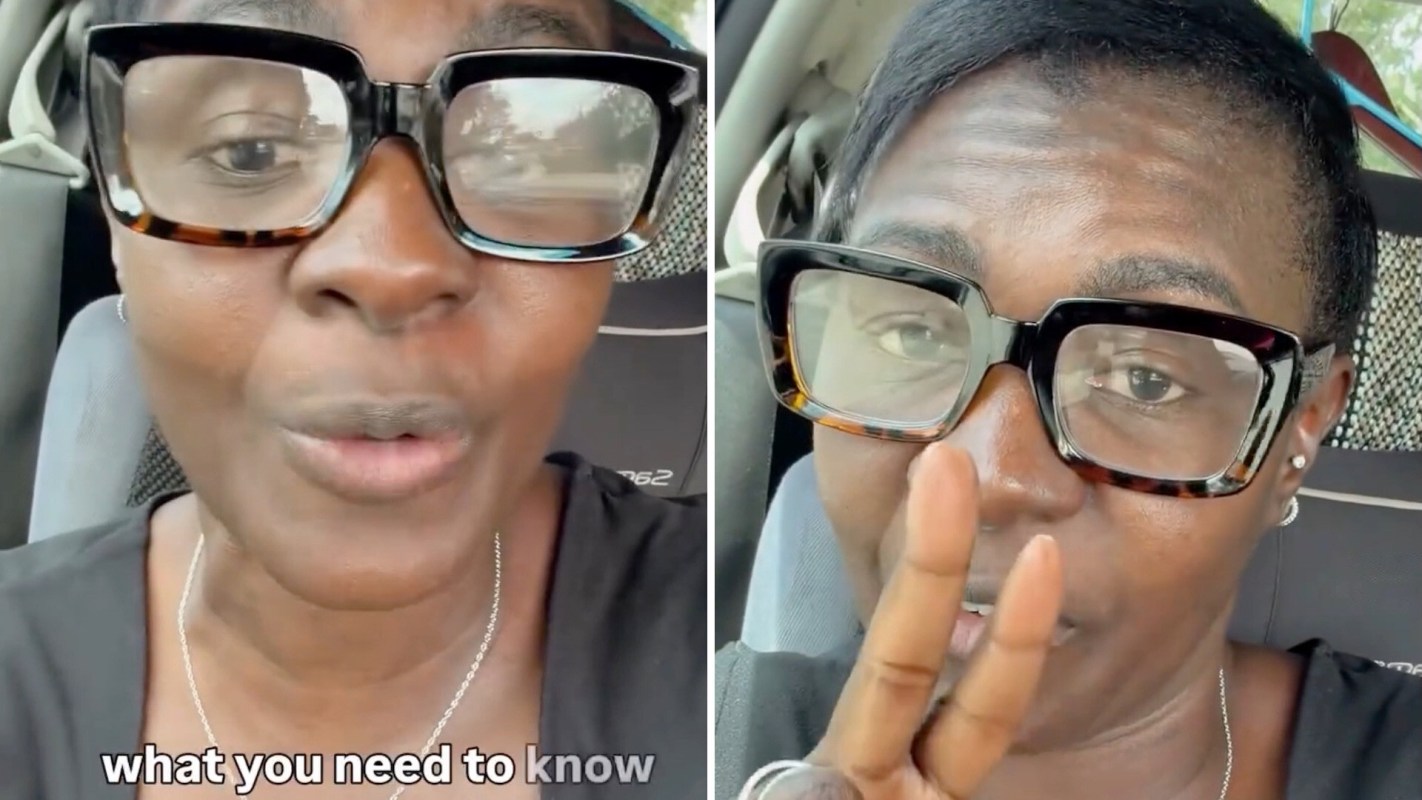
In a recent TikTok, Naples-based real estate creator Philly Rodriguez (@phillyrodriguezre) highlighted several hurricane-season steps she says are often overlooked, saying these are "things people don't tell you."
@phillyrodriguezre Hurricane season in Florida isn't just about buying water and batteries. One of the biggest mistakes homeowners make is waiting too long to prepare: • document your belongings • review your insurance coverage • save important documents digitally • understand flood vs homeowner insurance Preparation creates peace — especially during hurricane season in Naples & Southwest Florida. #HurricaneSeason #FloridaLiving #NaplesFlorida #SWFL #NaplesFL ♬ original sound - Philly | Naples Realtor®
To begin, Rodriguez said she helps people relocate to and from Florida and reminded viewers that the state's hurricane season runs from June 1 to Nov. 30.
Some of those preparations become much tougher once a storm is getting close, so waiting can leave people without enough time to finish them.
One of the steps she emphasized was making a record of everything in the home before severe weather arrives. Rodriguez said homeowners should film each room, open drawers, and capture belongings such as furniture, appliances, electronics, and jewelry.
She also highlighted a common coverage misunderstanding, saying flood insurance and homeowners insurance are "completely different" policies.
TCD Picks » Quince Spotlight
💡These best-sellers from Quince deliver affordable, sustainable luxury for all




Rodriguez further advised people to store key records, including insurance policies, IDs, passports, and medical records, digitally and to check their deductibles before any storm is on the way.
She added that homebuyers can face a separate issue during hurricane season. After a storm has been announced, getting a bound insurance policy may become difficult for people already under contract.
Why does it matter?
These steps can carry major financial implications after a storm.
If damage occurs, having a detailed video record of a home's contents will make it easier to file a claim and account for losses, instead of trying to recreate an inventory from memory, while also making it less likely that an insurance company denies claims for lost belongings.
Insurance confusion can also leave people unexpectedly exposed. Someone who assumes a standard homeowners policy covers flood damage could face a surprise after heavy rain or storm surge.
Reviewing coverage in advance gives people a chance to identify gaps while there is still time to address them. Part of the problem is timing because as a storm gets closer, some things may simply become harder to change or access quickly.
In the comments, one viewer pointed to another often-overlooked task that can help matters.
They suggested keeping trees trimmed and maintained, since falling limbs can become a major source of storm damage. Rodriguez endorsed the idea.
What can I do?
If you live in a hurricane-prone area, start by creating a record of your belongings. Use your phone to film the home thoroughly, refresh those videos from time to time, and keep copies saved in the cloud or another secure digital location.
It also helps to collect essential documents in digital form. Saving them digitally could make recovery less stressful.
And while stocking up on the usual basics still matters, property maintenance should not be overlooked.
"Preparation creates peace — especially during hurricane season in Naples and across Southwest Florida," Rodriguez wrote in the caption.

Get TCD's free newsletters for easy tips, smart advice, and a chance to earn $5,000 toward home upgrades. To see more stories like this one, change your Google preferences here.






