


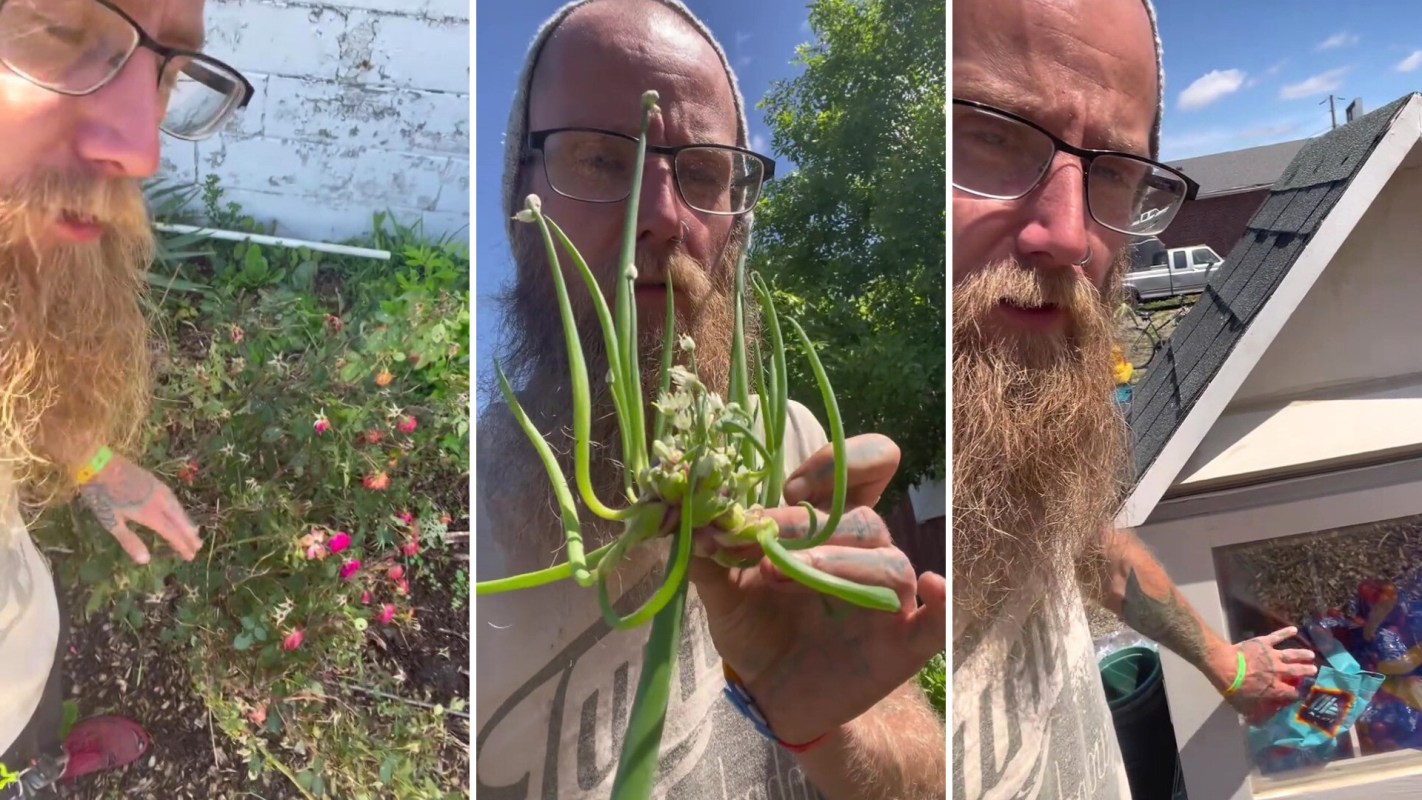
For one gardener on TikTok, the most surprising part of growing food hasn't been the mulch, compost, or harvests — it's been how willing people are to share.
In a recent video, creator joey (@joeyplantstreesbackup) said gardening has led to free plants, useful supplies, and help from neighbors, and commenters said they have noticed the same thing in their own communities.
@joeyplantstreesbackup Gardening teaches generosity #garden #gardening #gardener #organicgardening #permaculture ♬ original sound - joey
What happened?
In a TikTok posted May 25, the creator shared a long list of items they had received for free through local gardening connections and community relationships.
The gardener said their community regularly shares materials that might otherwise go to waste but can be put to good use in the garden.
Over time, the creator received a wide range of free items, including a Little Free Pantry repurposed for sharing produce, spent growing blocks from a local mushroom farm, leftover hay bales from fall decorations, free bricks, rocks salvaged from a demolition project, bags of leaves for mulch, and even pallets that were later transformed into a compost bin.
Commenters echoed the same theme.
TCD Picks » Quince Spotlight
💡These best-sellers from Quince deliver affordable, sustainable luxury for all




"Gardening and crafting people are some of the most generous people," one person wrote.
Why does it matter?
Starting or maintaining a garden can seem expensive at first, especially when costs of pots, soil, tools, seeds, and raised-bed materials add up. But the creator's examples show how many of these items can come from neighbors, swaps, local businesses, and creative reuse.
That kind of sharing can also keep useful materials out of the trash. Leaves become mulch instead of waste. Old pallets become compost bins. Decorations, logs, and containers get a second life instead of ending up in a landfill.
The story was about more than saving money. The creator also described neighbors stepping up during difficult times — after their bike was stolen, one neighbor gifted them an old bike cart. Those acts of generosity show how sharing resources can strengthen community ties and make neighborhoods more supportive and resilient.
What can I do?
A first step may be as simple as letting others know that you garden.
Sharing extra seedlings, herbs, produce, or seeds can open the door to future exchanges, especially in neighborhoods where people already have yard waste, pots, bricks, or plant divisions they do not need.
Local seed swaps, Buy Nothing groups, community garden boards, and neighborhood social media pages can also be good places to look for free or low-cost supplies.
"Someone driving by stopped to knock on my door and ask for plant cuttings and I was so excited to share," one user added in the comments.
"I got most of my edging and pots free from people that didn't want them," another wrote.

Get TCD's free newsletters for easy tips, smart advice, and a chance to earn $5,000 toward home upgrades. To see more stories like this one, change your Google preferences here.






