


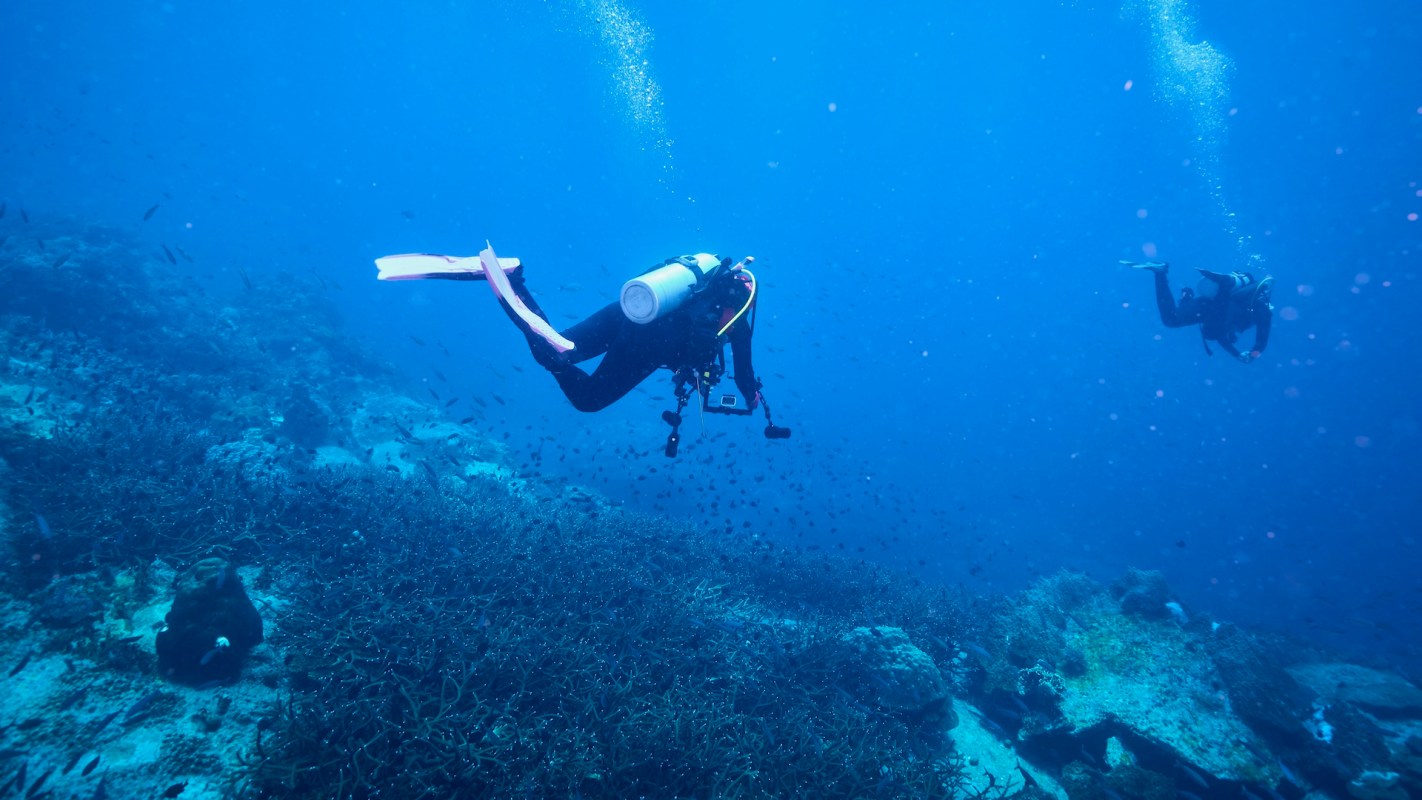
Scuba diving may be causing more harm to coral reefs than many divers realize, and much of that contact appears to happen without their awareness.
Video-based research suggests that an activity often viewed as low-impact recreation can still leave physical damage on reef ecosystems that are already stressed.
What's happening?
Researchers who reviewed dive footage reported that more than 80% of damaging reef contact by scuba divers was either accidental or unnoticed by the diver, Science News reported.
That result pushes back on the assumption that scuba is automatically one of the more reef-friendly ways to experience the ocean.
Bing Lin, a marine conservation scientist at the University of Sydney, said diving is often seen as relatively gentle because "the fish remain in the water, and divers get to enjoy seeing them in the wild."
"What's less understood is just how invisible much of this damage is to the people causing the harm," Lin explained.
TCD Picks » Quince Spotlight
💡These best-sellers from Quince deliver affordable, sustainable luxury for all




Why does it matter?
Because coral reefs are already under heavy pressure, repeated minor hits from fins, hands, and poorly managed gear can make recovery even harder.
Small bits of damage add up on habitats that take a long time to regrow.
Those reefs also support tourism, marine biodiversity, and coastal communities that rely on healthy oceans for income and resilience.
When reef systems decline, local businesses, workers, and food systems can feel the effects.
Still, rising ocean temperatures, bleaching, commercial fishing, bottom trawling, and ship anchors are much bigger dangers.
So while individual carelessness is a real issue, it is unfolding alongside far larger systemic forces that are transforming reefs around the world.
What's being done?
Improved training for divers is a simple solution. Divers are often certified before they are truly comfortable controlling buoyancy, the skill most likely to keep fins, knees, and tanks off the reef.
Some certification pathways move too fast from online instruction to pool work and then only a small number of open-water dives, leaving little time for reef-safe habits to stick.
Slowing that process down and treating buoyancy control as a conservation skill, not just a safety skill, could help. Damage can be reduced by choosing operators that stress reef etiquette, avoiding crowding wildlife, and speaking up when guides encourage harmful behavior.
Individual responsibility is only part of the answer. Protecting reefs also requires confronting the bigger pressures, especially warming seas and destructive industrial practices, that are driving these ecosystems toward collapse.
"Ultimately, the goal is not to stop people from diving, but helping people dive better," Lin explained.

Get TCD's free newsletters for easy tips, smart advice, and a chance to earn $5,000 toward home upgrades. To see more stories like this one, change your Google preferences here.






