


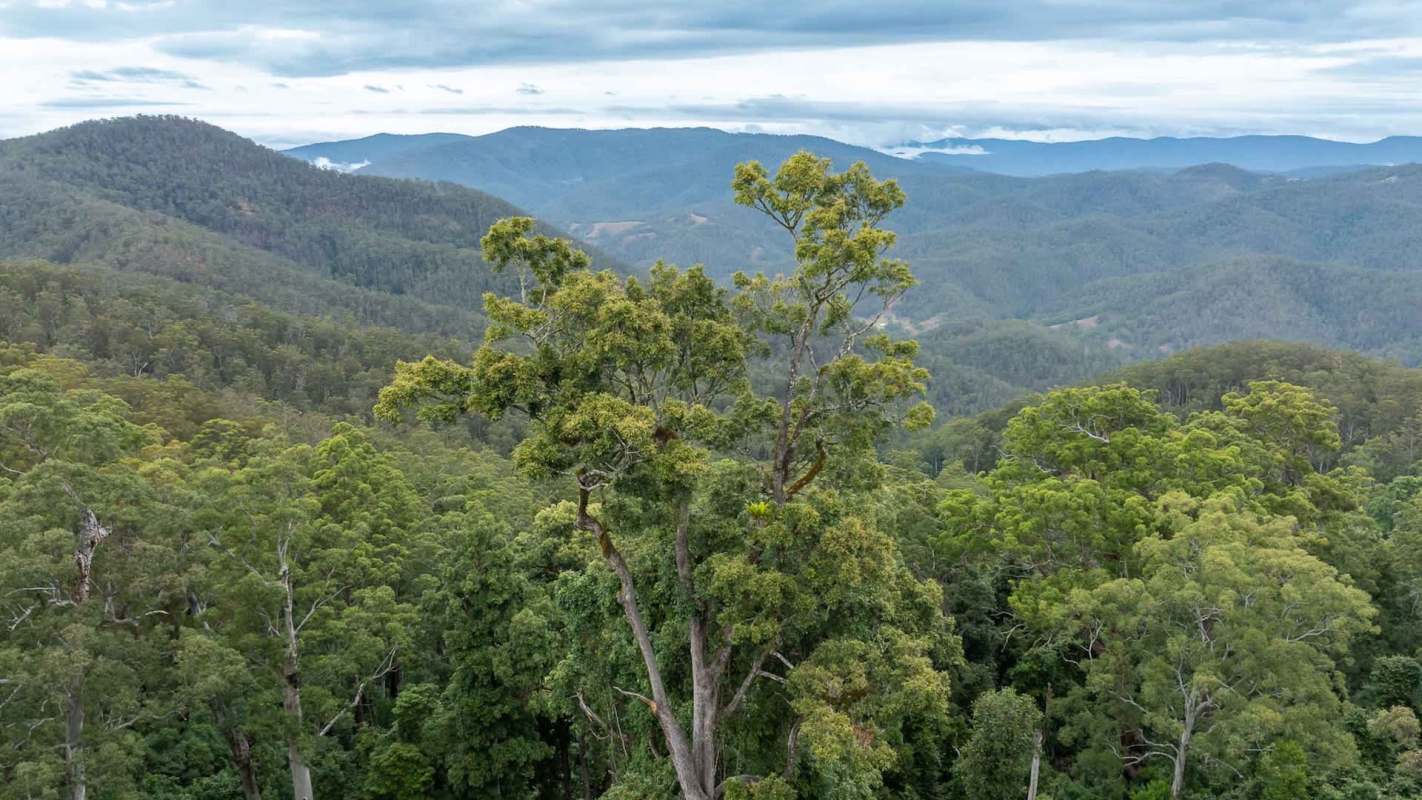
An Australian billionaire is earning praise online after transforming former cattle-grazing and logging land into a wildlife refuge.
According to a report from the Sydney Morning Herald, Mike Gregg, an early backer of software company WiseTech Global, and his wife, Sue, have donated $10 million to buy 7,000 hectares of cattle and logging land to turn it into a nature reserve.
"We found we had made a bit more money than we ever thought we would, and to us that came with responsibility — we've got to think about how we're going to do something with this, and it's not buying a big yacht," Mike Gregg told the Herald.
The couple funded the purchase through the Great Southern Land Conservancy, a private conservation charity they co-founded. The land sits southwest of Port Macquarie in New South Wales and covers about 17,000 acres.
By linking six adjoining properties near existing protected areas, the conservancy is creating a much larger connected refuge for wildlife, supporting species survival, wildfire recovery, and climate resilience.
According to the Herald, the land includes wet forest, rainforest-edged gorges, rivers, and grassy woodland habitat for koalas, greater gliders, spotted-tail quolls, glossy black cockatoos, and other threatened species.
TCD Picks » Quince Spotlight
💡These best-sellers from Quince deliver affordable, sustainable luxury for all




Former NSW National Parks and Wildlife Service chief Atticus Fleming, who now leads the charity, said some of the land was still being logged as recently as the final inspections.
The group plans conservation work focused on fire prevention, invasive weeds, and feral animals while also restoring land that was previously cleared, the Herald noted.
The conservancy plans to monitor wildlife using 280 camera traps, and Fleming expects that an upcoming intensive koala survey will confirm that the reserve hosts the largest koala population on privately owned land in New South Wales.
The news struck a chord on Reddit after it was posted on r/UpliftingNews.
"This is exactly what I would do, if I were a billionaire," one user wrote.
Although donating to climate causes is a step in the right direction, others were quick to note that conservation efforts should not rely solely on donations from wealthy individuals.
"That's commendable, but if the system relies on a powerful minority to do the right thing, the system is flawed," one said.

Get TCD's free newsletters for easy tips, smart advice, and a chance to earn $5,000 toward home upgrades. To see more stories like this one, change your Google preferences here.







