


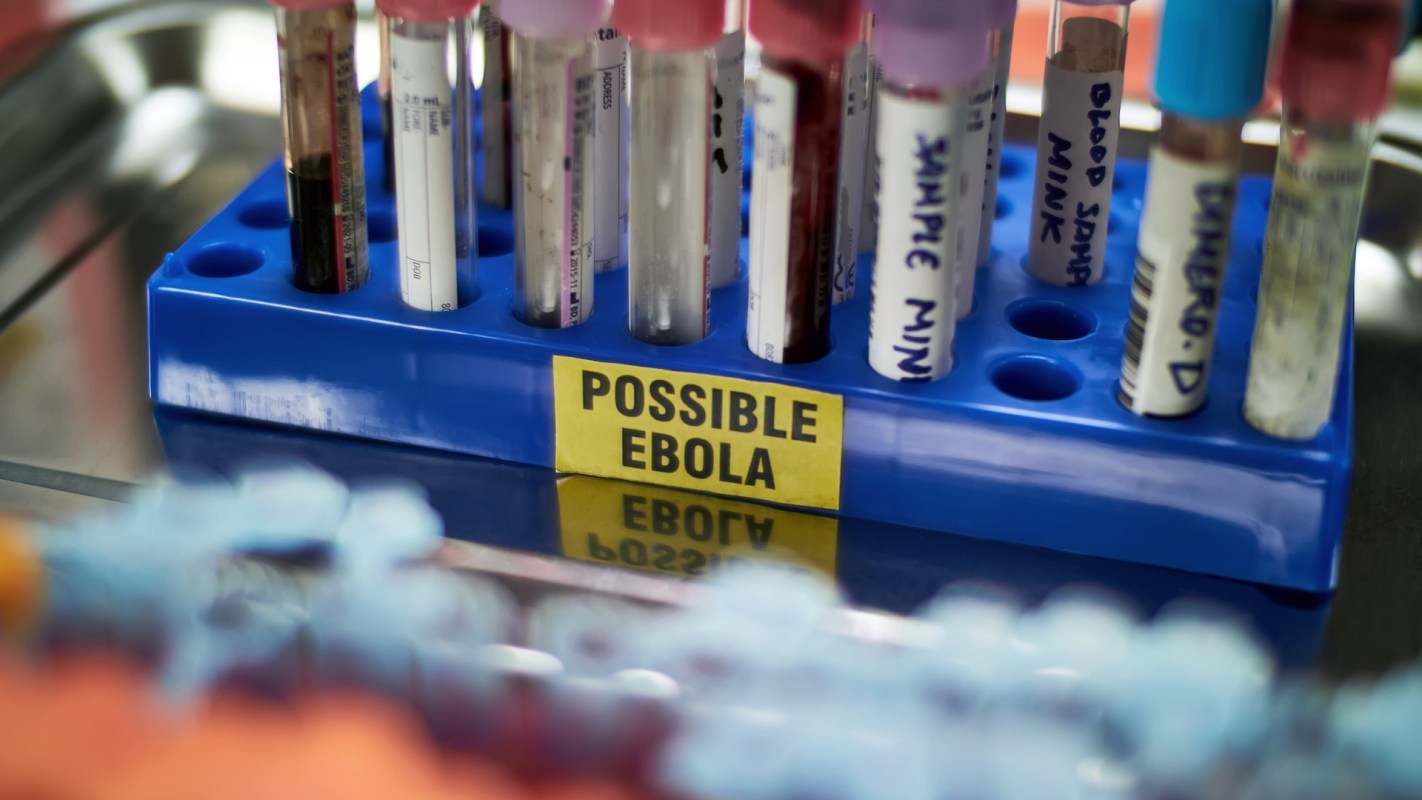
Eyewitness accounts from eastern Democratic Republic of Congo describe angry crowds attacking hospitals treating Ebola patients, with reports suggesting the violence was fueled in part by false claims that the virus is fake or created to divert aid money.
According to a recent report from the Washington Post, as the outbreak grows, health workers say misinformation is becoming one of the biggest obstacles to containing it.
The World Health Organization says the latest Ebola outbreak in the eastern Democratic Republic of Congo has led to at least 750 suspected cases and 177 deaths.
But alongside the disease itself, officials are also fighting conspiracy theories, including claims that nonprofits introduced Ebola to the region to profit from it or that the outbreak was invented to scare residents and gain access to mineral-rich land.
This distrust is causing dangerous situations in the region.
In one recent incident, residents stormed a hospital in Rwampara after a popular 30-year-old soccer player died of Ebola.
TCD Picks » Quince Spotlight
💡These best-sellers from Quince deliver affordable, sustainable luxury for all




They reportedly demanded his body so he could receive a traditional burial, and health workers fled as chaos erupted. Six patients fled the hospital during the attack, the Post reported.
A day later, 18 more patients with suspected Ebola fled another hospital in Mongbwalu after a separate assault.
"The people here don't believe that there is Ebola," Luc Malembe, 40, a politician who filmed the hospital attack in Rwampara, told the Post. "That's why they are not protecting themselves."
Ebola spreads through contact with an infected person's bodily fluids, making quick isolation, testing, and safe burials essential.
When people reject that guidance — or believe doctors are causing the illness — they may avoid treatment, remove bodies from hospitals, or flee care centers while still contagious.
This outbreak has also exposed a broader public health issue: trust.
Aid workers say cuts to international funding have reduced support for routine care such as malaria, measles, and malnutrition treatment.
The Post notes that in areas with little access to electricity and running water, residents often want medical officials to focus on illnesses like malaria and measles, issues they consider more pressing than Ebola.
In response to the widespread misinformation, local churches are working on hand-washing stations, temperature checks, safer burial education, and community outreach meant to rebuild confidence before rumors spread further.
For survivors of Ebola, misinformation can lead to community isolation.
"People fear you, your family chase you away or avoid you, at the market, people run away when they see you, or they give way when you go to fetch water," Adam Vainqueur, a teacher from Congo and Ebola survivor, said.

Get TCD's free newsletters for easy tips, smart advice, and a chance to earn $5,000 toward home upgrades. To see more stories like this one, change your Google preferences here.






