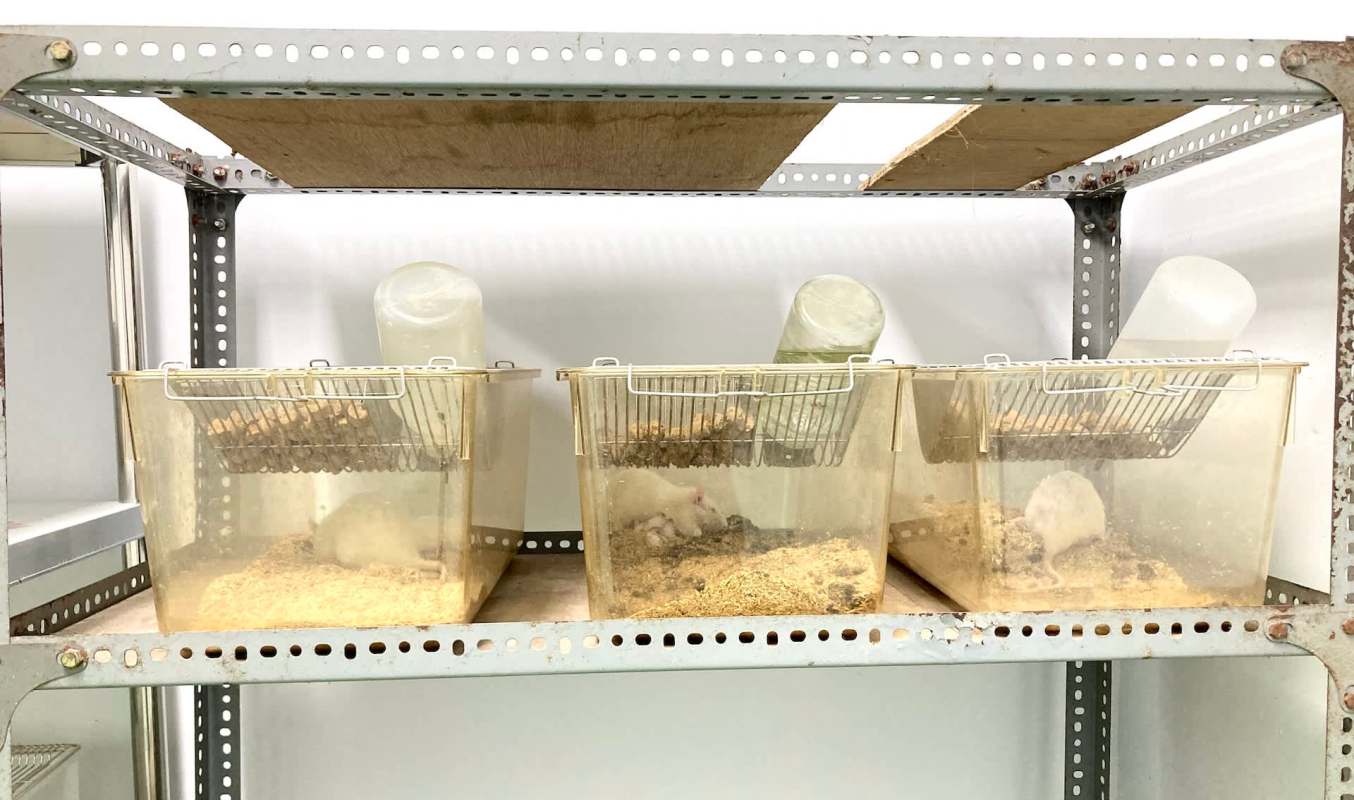
The European Union is drawing attention online after unveiling what the European Commission described as a 22-step plan to move away from using animals in chemical safety reviews. The policy shift could reshape how products ranging from pesticides to pharmaceuticals are approved.
Officials are presenting the plan as both an animal welfare milestone and an effort to modernize public health protections and industry practices.
What happened?
The European Commission introduced a new roadmap to gradually replace animal experiments with non-animal techniques in 15 areas of chemical safety review. Those categories cover substances used in industrial and consumer goods, as well as pesticides, biocides, medicines, and additives for food and feed, according to EUbusiness.
The Commission said newer alternatives could be quicker, cheaper, and better aligned with industry innovation while maintaining strong protections for human and animal health and the environment.
The Commission called the move a "roadmap towards phasing out animal testing for chemical safety assessments" and said it included "tangible steps" to support the transition. It also said the shift would "preserve the integrity of safety evaluations," signaling that regulators are not looking to weaken standards as testing methods change.
The roadmap lays out more than 30 recommendations aimed at replacing, reducing, or refining animal testing, and it says there will be a high-level conference in 2029 to assess progress.
TCD Picks » Good Store Spotlight
Get 10% off your next purchase with code TCD10


Why does it matter?
These assessments are used to judge whether products sold on the market can be used safely, so changes to that system will affect everyday items found at home, at work, and throughout the food supply.
If non-animal approaches prove faster and more cost-effective at scale, they could help reduce companies' development costs. Modern testing tools may also improve public health if they prove to be more effective.
There is also an environmental and ethical benefit. Reducing animal testing means fewer animals are used in regulatory science.
What are people saying?
EC Executive Vice President Stephane Sejourne called publication of the roadmap "a pivotal step towards modernising chemical safety assessments while reinforcing Europe's leadership in innovation."
TCD Picks » Quince Spotlight
💡These best-sellers from Quince deliver affordable, sustainable luxury for all




"By phasing out animal testing, we are not only upholding higher ethical standards but also strengthening our competitiveness through cutting-edge, non-animal alternative technologies," he added.
The Commission also emphasized that the plan lays out "tangible steps" for the transition and will still "ensure a high level of protection for human and animal health and the environment."

Get TCD's free newsletters for easy tips, smart advice, and a chance to earn $5,000 toward home upgrades. To see more stories like this one, change your Google preferences here.