


A new climate report gaining traction online is offering a stark reality check: The world is nowhere near removing enough carbon dioxide to help limit dangerous warming.
While carbon-removal projects are expanding, researchers say the gap between current efforts and what is actually needed continues to widen.
What's happening?
Heatmap reported that the newly released State of Carbon Dioxide Removal report, published by an international group of researchers, found that people currently remove roughly 2.2 billion tons of carbon from the atmosphere each year — equal to about 5% of annual global carbon dioxide emissions.
Nearly all of that total, however, comes from "conventional" methods such as planting trees, improving forest management, and restoring wetlands.
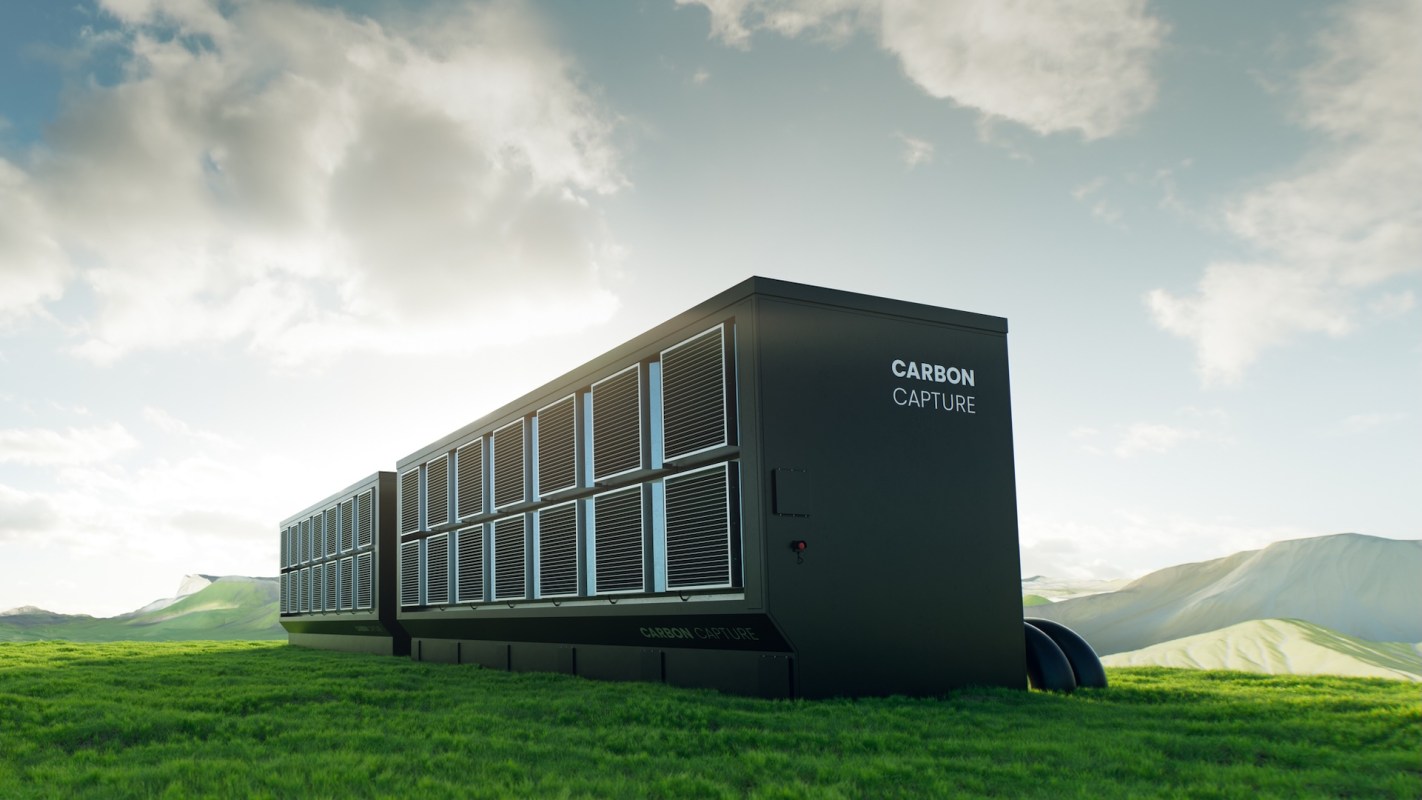
The bigger concern centers on "novel" carbon-removal approaches, including direct air capture, biochar, and enhanced weathering. According to the report, those methods account for less than 1% of total removals.
Researchers noted that novel carbon dioxide removal rose from roughly 1.4 million tons in 2023 to about 2 million tons in 2025 — but would need to reach 70 million tons by 2030 and 360 million tons by 2035 to support net-zero goals and begin pushing warming back toward 1.5 degrees Celsius (2.7 degrees Fahrenheit).
TCD Picks » Quince Spotlight
💡These best-sellers from Quince deliver affordable, sustainable luxury for all




Why does it matter?
Falling behind on carbon removal means communities face more extreme heat, stronger storms, wildfire smoke, crop stress, and rising costs tied to climate damage.
The researchers also stressed that carbon removal cannot replace steep cuts to pollution from fossil fuels; it is an additional tool, not a substitute. If emissions continue to rise, the amount of carbon the world would need to remove becomes even larger.
The report also found that the industry remains fragile.
Even direct air capture — one of the most discussed solutions — removed only about 1,500 tons in 2025 from two certified facilities in Iceland, far below their combined design capacity.
What are people saying?
"We're seeing a lot of signs that there's still growth happening," report author Morgan Edwards said. But that "we need to see a step change" in both investment and real-world deployment by 2030.
She also warned that "the gap will continue to grow if we do not pursue immediate and ambitious emissions reductions today."

Get TCD's free newsletters for easy tips, smart advice, and a chance to earn $5,000 toward home upgrades. To see more stories like this one, change your Google preferences here.






