


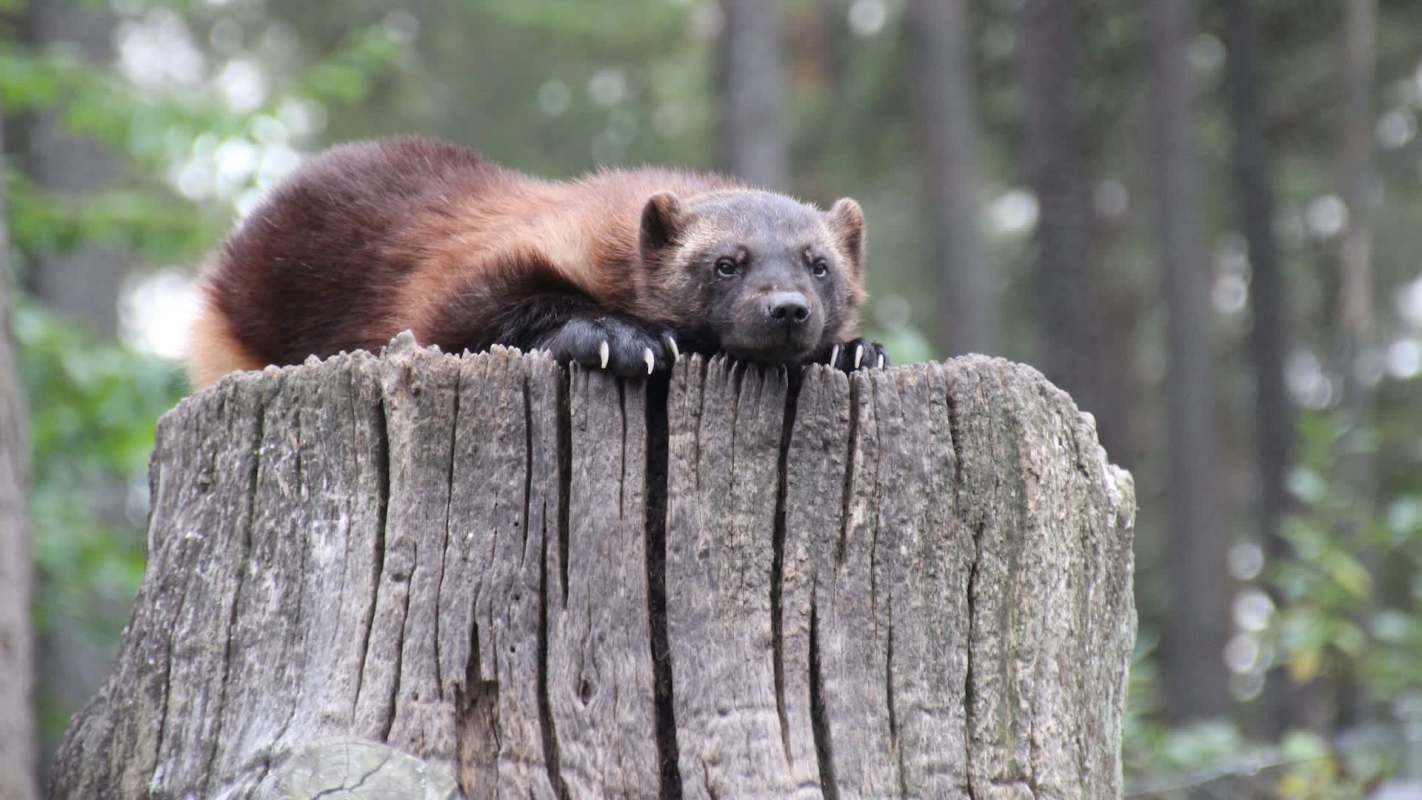
Launching a celebrated conservation program is a major undertaking, but keeping it working decades later is a massive hill to climb.
That now appears to be the challenge in Sweden, where a once-praised effort to help wolverines recover is facing renewed scrutiny, as University of York researchers explained.
What's happening?
Their new study, published in Conservation Letters, revealed that Sweden's Conservation Performance Payment scheme is no longer producing the results it once did. Since it is often cited as a global model for helping people and predators coexist, the news is troubling.
The once-revolutionary program pays Sami reindeer herders for each documented wolverine reproduction on their land, creating a financial incentive to tolerate a predator that can otherwise threaten their livelihoods.
"The idea is to tie an income to the presence of the predator, providing an incentive to find ways to live alongside them, thus decreasing conflicts and improving social justice," said researcher Dr. Hanna Petterson in the release.
It helped endangered wolverines rebound and drew international praise for its success, the researchers explained.
TCD Picks » Quince Spotlight
💡These best-sellers from Quince deliver affordable, sustainable luxury for all




Unfortunately, researchers found that years of stagnant funding eroded the system. Payments have remained fixed at 200,000 SEK (~$21,348) per documented reproduction since 2002, even as costs and meat prices have risen sharply.
According to the study, the payment's real value has roughly been cut in half. At the same time, changing snow conditions linked to climate change are making wolverine tracks harder to detect and document, per the release.
Why does it matter?
Conservation programs depend on the people who bear the costs seeing the arrangement as fair. In this case, that means Sami reindeer herders, an Indigenous community whose culture and income are closely tied to reindeer husbandry.
When compensation no longer reflects reality, trust can begin to fray, weakening support for future conservation efforts.
Researchers pointed to Norrbotten as one example. In the early 2000s, the county accounted for about two-thirds of Sweden's documented wolverine reproductions. Now it contributes less than one-third and often misses conservation targets per the release.
Those changing conditions are also weakening the monitoring systems that conservation depends on.
What are people saying?
The researchers framed the decline as a cautionary tale, noting that protecting wildlife requires long-term commitment, not just early success.
Meanwhile, the Sami Parliament has said that a legally compliant payout would need to reach at least 480,000 SEK ($51,236), which is far above the Swedish government's 2024 increase of just 25,000 SEK (~$2,668).
Recovering endangered animals is possible, but sustaining that progress means communities cannot be asked to carry too heavy a burden.
"If a government fails to adapt payments to rising costs of coexistence, the burden is shifted onto local, often marginalized, communities, who in this case are already straining," Petterson said in the release. "It is a warning sign for other global conservation efforts."

Get TCD's free newsletters for easy tips, smart advice, and a chance to earn $5,000 toward home upgrades. To see more stories like this one, change your Google preferences here.






