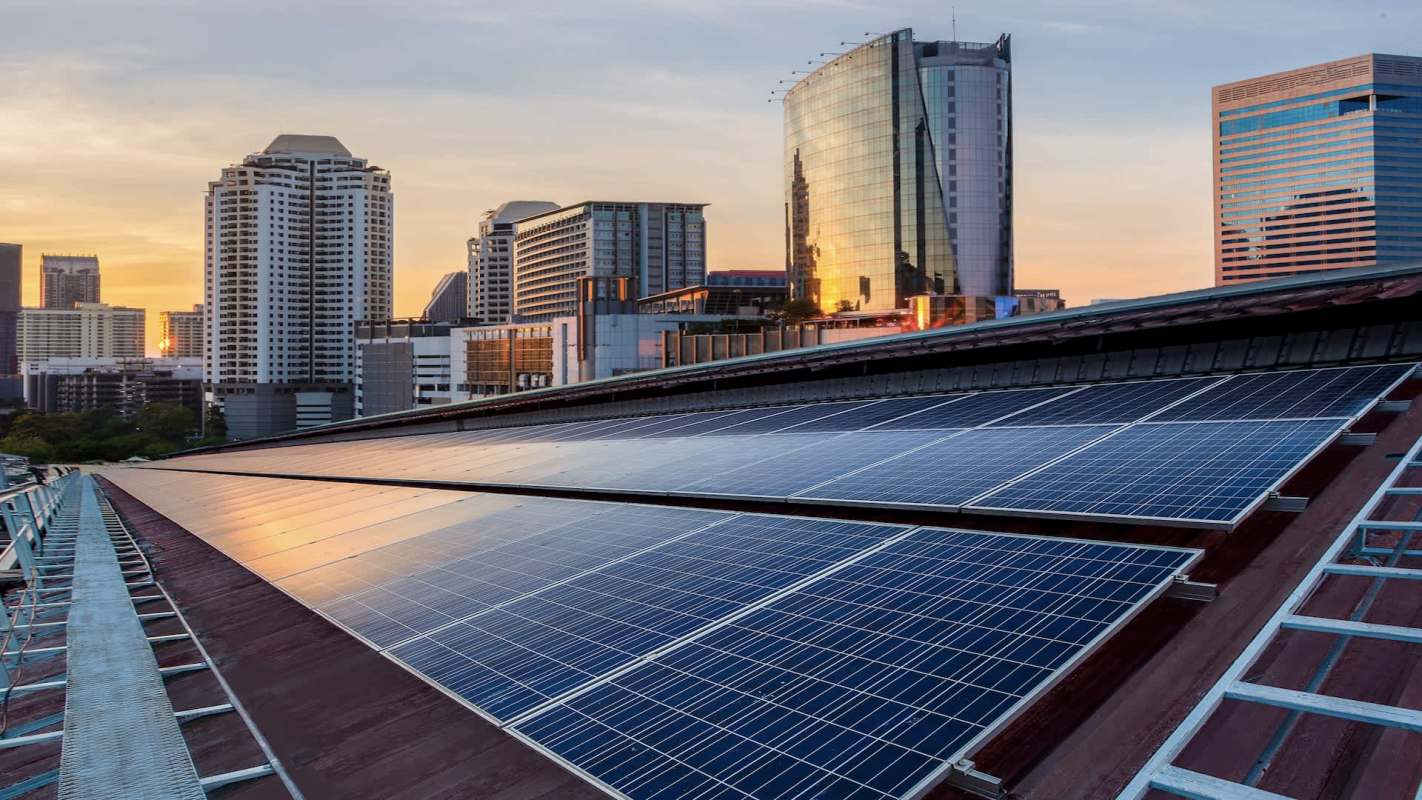
Homeowners looking to go solar may be rethinking how they pay for rooftop panels after one of the biggest financial incentives for buying a system disappeared at the end of 2025.
With the residential federal solar tax credit no longer available for new home systems, solar leases and power purchase agreements, or PPAs, are becoming competitive again.
For years, buying panels outright or financing them with a loan was often seen as the better deal because homeowners could claim a 30% federal tax credit.
But that changed for systems installed after 2025, when the residential credit ended.
EnergySage says that the shift is making third-party ownership options more attractive than they have been in years.
Under those arrangements, the financing company keeps ownership of the solar system, while the homeowner pays for the power it generates.
Because the company owns the equipment, it may still qualify for the 30% commercial tax credit through the end of 2027. Whether any of that benefit reaches customers depends on the lease provider.
EnergySage's Erik Holvik said leasing can be a strong option for people who want lower electric bills without a high upfront cost, especially because maintenance is usually covered for the full term of the agreement.
Save $10,000 on solar panels without even sharing your phone number Want to go solar but not sure who to trust? EnergySage has your back with free and transparent quotes from fully vetted providers that can help you save as much as $10k on installation. To get started, just answer a few questions about your home — no phone number required. Within a day or two, EnergySage will email you the best local options for your needs, and their expert advisers can help you compare quotes and pick a winner. |

Solar can still reduce household energy costs, but the financial math is no longer the same. Without the residential tax credit, ownership no longer comes with the built-in advantage it once had.
For some households, that could make leasing a more practical way to get started, particularly if cash is tight or loan interest rates are high.
Unlike owned systems, leased solar generally does less to increase home value and can complicate a future home sale because a buyer may need to take over the contract.
Experts say homeowners should look at every available path side by side: a cash purchase, a solar loan, a lease, and a PPA if one is offered in their state.
More From EnergySage
💡Go deep on the latest news and trends shaping the residential solar landscape
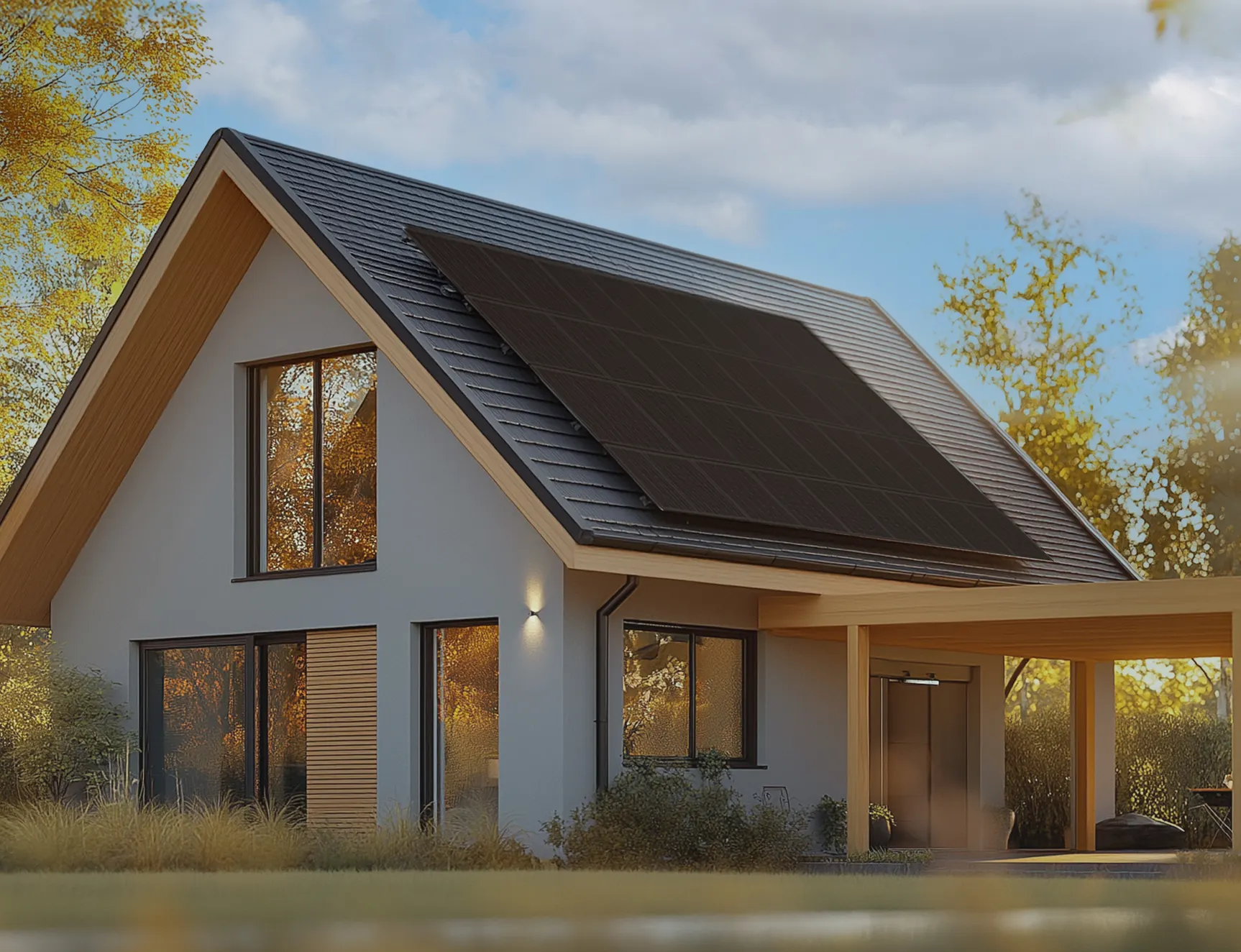
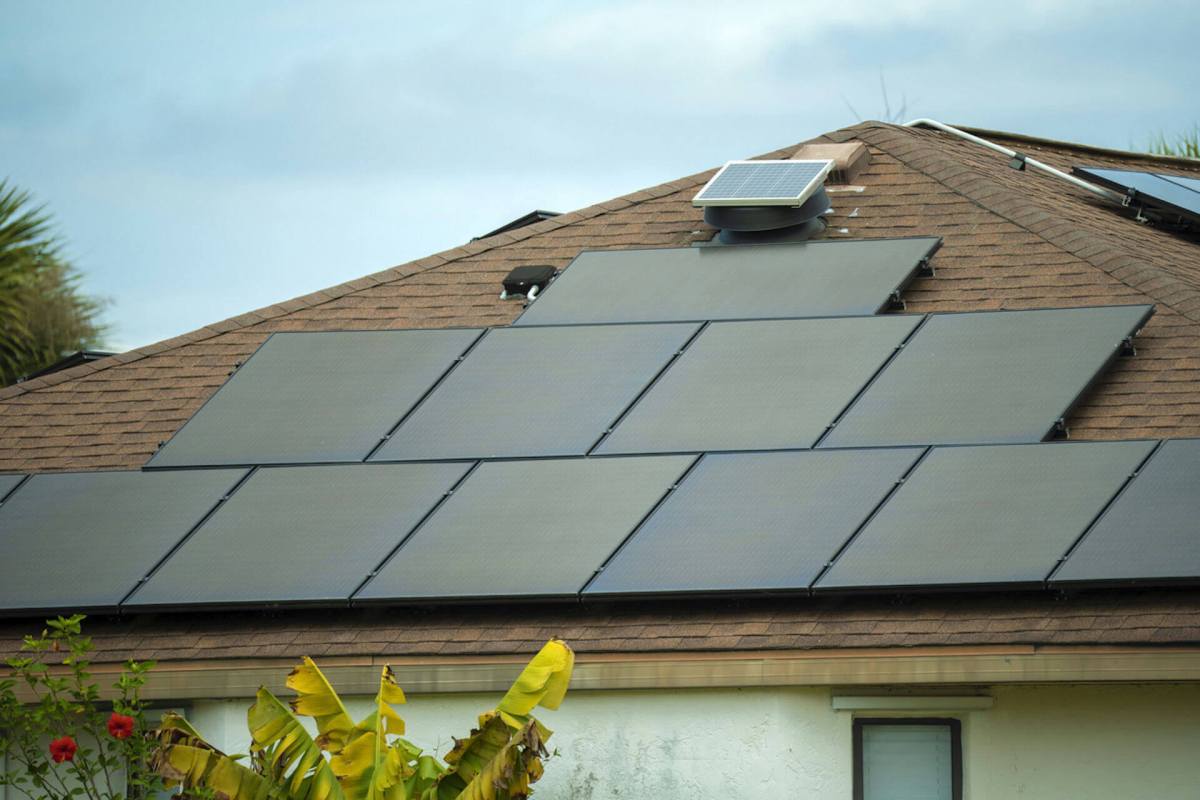

Ask lease providers for a full year-by-year payment schedule rather than focusing only on the starting monthly rate. That can show how much escalator clauses add over 10, 20, or 25 years.
Homeowners should also ask whether any commercial tax-credit savings are being passed through as lower payments.
For people considering pre-paid leases, buyout terms deserve close attention as well. EnergySage notes that many contracts include buyout windows in multiple years, with the financing company setting the fair market value.
Homeowners should also research the financing company itself. Because that company owns the system and is responsible for repairs, its financial stability, reputation, and customer service record matter just as much as the panels on the roof.
"Compare, compare, compare," Holvik said. "Get a cash option. Get a loan option. Get a lease option. And don't just look at the monthly payment — look at the 20-year cost, and figure out the payback period for each one."
He added, "Solar is a great solution no matter how you slice it."

Get TCD's free newsletters for easy tips, smart advice, and a chance to earn $5,000 toward home upgrades. To see more stories like this one, change your Google preferences here.