


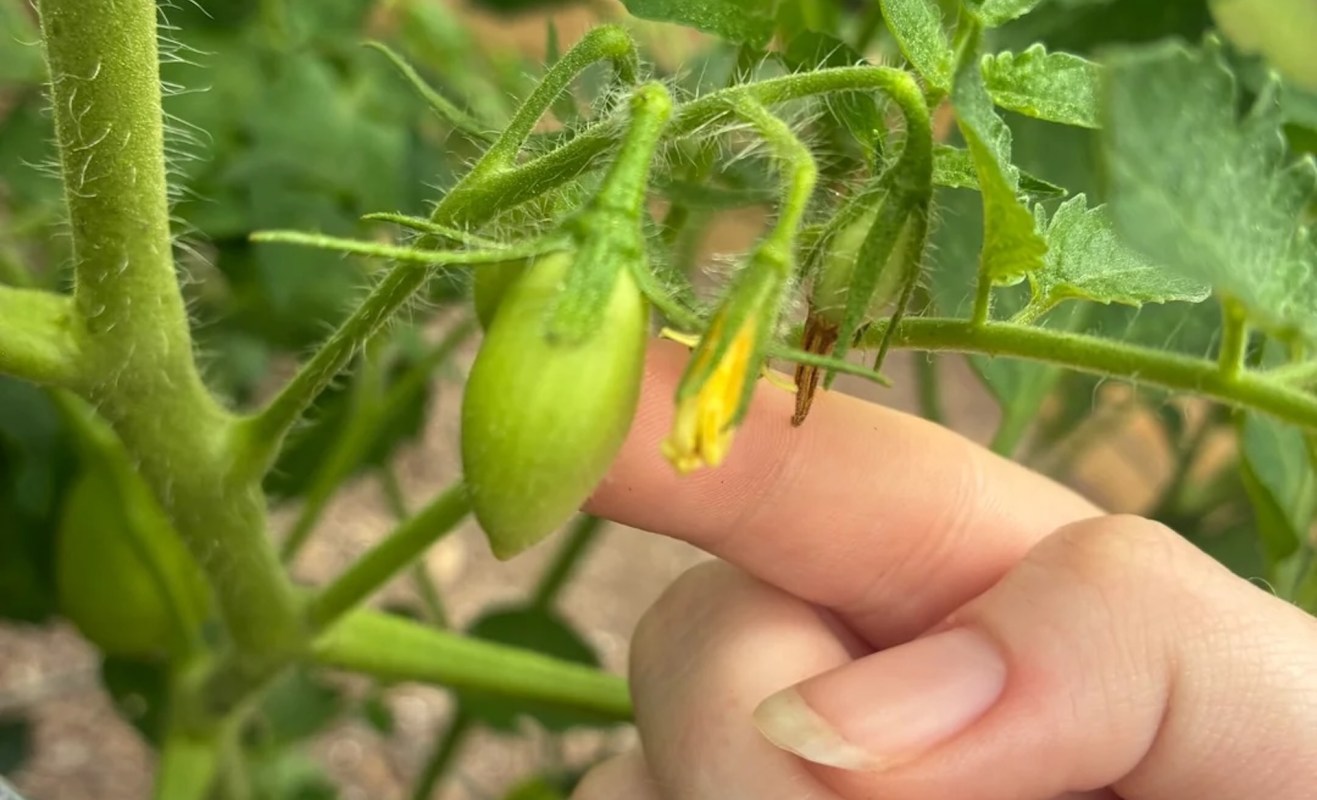
A first-year gardener turned to Reddit in a panic after noticing their tomatoes were growing in unexpected oblong shapes.
In a post on r/gardening, the new grower asked, "why the heck are my tomatoes growing like this?" after noticing elongated fruit.
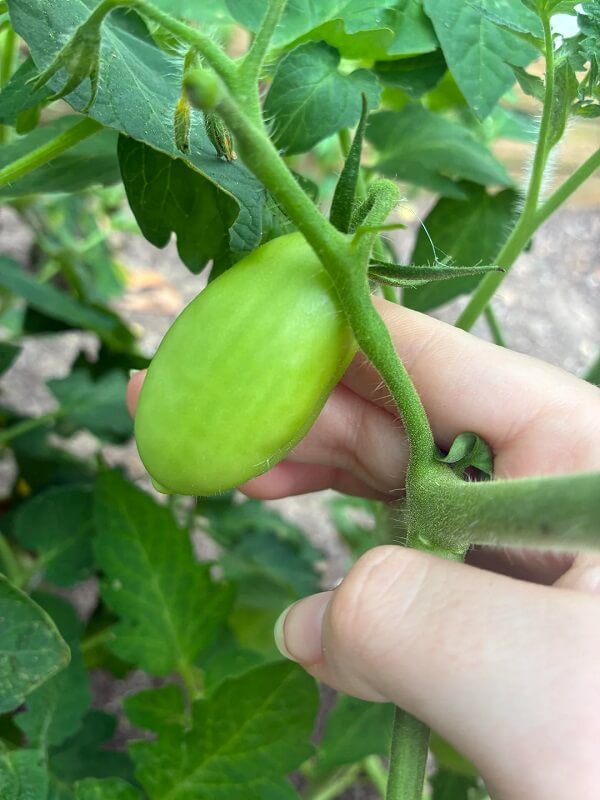
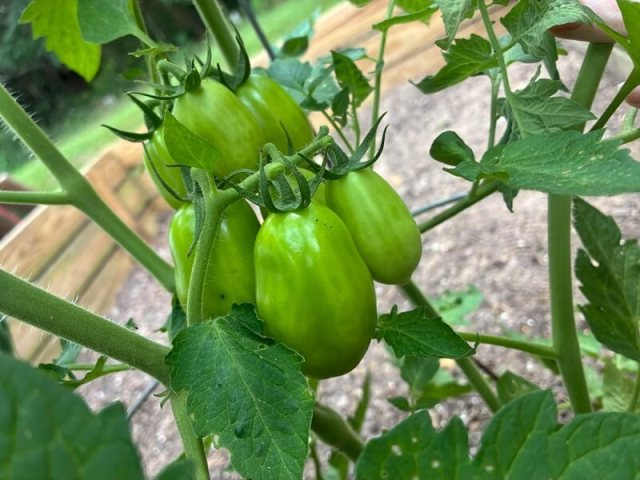
The consensus was simple: Nothing seemed to be wrong with the tomatoes at all.
Commenters said the fruit looked like Roma, San Marzano, or another plum or paste variety — types often prized for sauces, canning, and dicing.
Several users also suspected a common gardening mix-up.
One top reply said the plant was "probably just incorrectly labeled in the nursery/seed packet," while another noted that once tags get swapped or removed, it can be nearly impossible to know exactly which tomato variety is coming home with you.
TCD Picks » Quince Spotlight
💡These best-sellers from Quince deliver affordable, sustainable luxury for all




The original poster later updated the thread with a relieved edit: "They're different tomatoes! i realize that now, i could have just googled it. sorry all, this is my first year growing my own."
A strangely shaped fruit can seem like a sign of disease or failure, but in this case, the plant was healthy — just different from what the gardener had expected.
Multiple commenters shared their own stories of buying one thing and harvesting another, from peppers that turned out to be a different variety to tomatoes that did not match the label.
Plum tomatoes are still a valuable harvest. They are often meatier and less watery than slicing tomatoes, making them especially useful for pasta sauce, salsa, roasting, and preserving.
A few commenters noted that Roma-type tomatoes can be more prone to blossom end rot, a common issue linked to inconsistent watering and nutrient imbalance.
For paste tomatoes such as Roma or San Marzano, keeping watering consistent and watching for blossom end rot can help.
Gardeners in the thread also suggested paying attention to calcium and avoiding unnecessary pruning on determinant varieties, which may reduce yields.
Labeling plants clearly at home and double-checking tags when buying seedlings can help avoid future surprises. For anyone saving seeds or planning a larger garden next year, keeping a simple map of where each variety is planted may make things easier.

Get TCD's free newsletters for easy tips, smart advice, and a chance to earn $5,000 toward home upgrades. To see more stories like this one, change your Google preferences here.






