


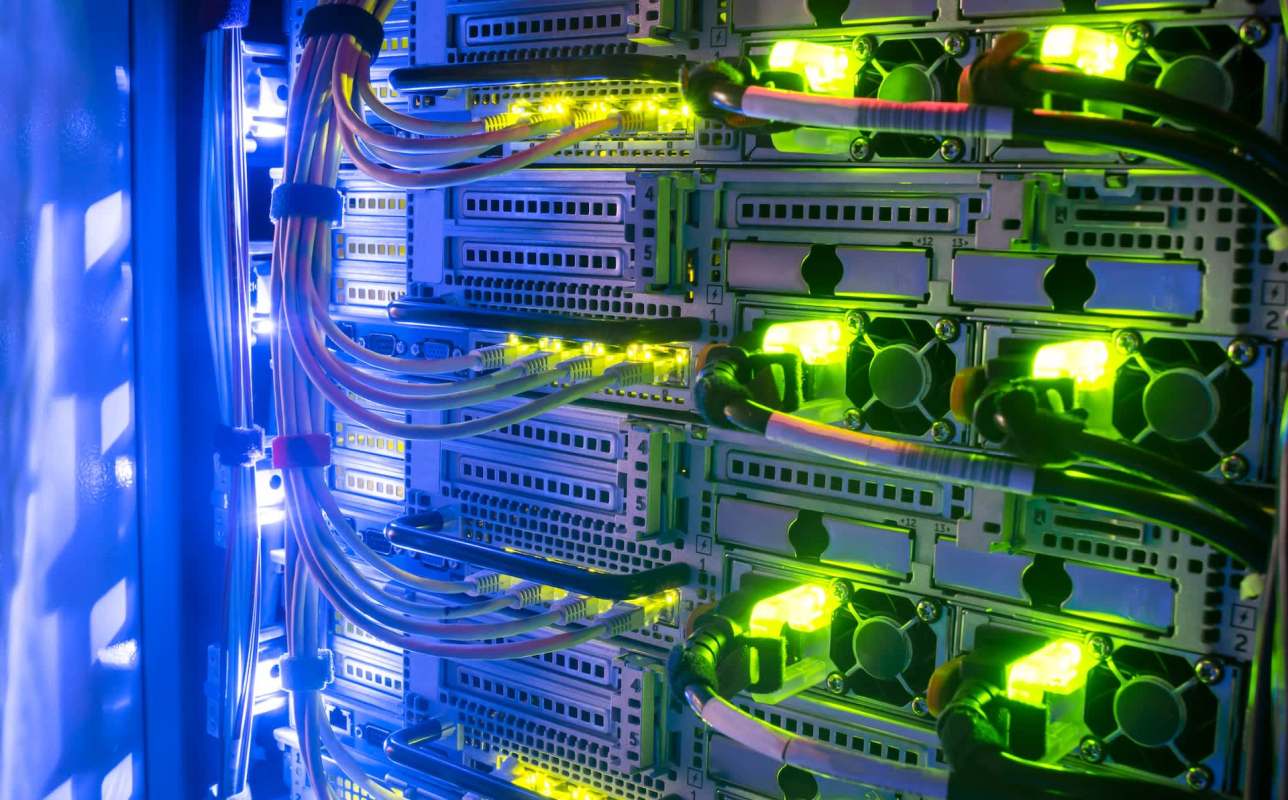
North Carolina lawmakers are moving quickly on a bill that could reshape how large data centers are built and who pays for their enormous power and water demands.
The proposal comes as Duke Energy seeks an 18% rate hike, despite reporting an additional $1 billion in revenue in the first quarter of 2026 compared to 2025.
What's happening?
According to WRAL News, state lawmakers are considering Senate Bill 730, a measure that would not block new data centers outright, but would put tighter guardrails on where they can be built and how they operate.
WRAL reported that, under the new rules, large data centers would have to cover the additional electricity and infrastructure costs tied to serving them, including new generation, transmission work, and grid expansion.
Supporters say that approach could help prevent those costs from being shifted onto everyday ratepayers.
The bill would also require closed-loop water systems for cooling, restrict certain ownership arrangements, ban local governments from offering incentives to attract data centers, and require officials to study impacts within 500 feet of a proposed site, including noise affecting nearby residents.
TCD Picks » Quince Spotlight
💡These best-sellers from Quince deliver affordable, sustainable luxury for all




"The whole bill is about reducing rate-payer costs for energy," State Representative Dean Arp said.
The debate is moving quickly as artificial intelligence fuels demand for more data centers.
Industry representatives warned that the rules could make North Carolina less competitive, while residents and some advocates argued the bill still does not go far enough.
Why does it matter?
Data centers can bring some jobs and tax revenue, but they can also place heavy strain on local resources.
These facilities use massive amounts of electricity, can consume significant amounts of water for cooling, and often generate a constant mechanical hum that neighbors say can disrupt daily life.
Duke Energy recently pointed to power-hungry data centers as a major factor behind higher revenue needs as it pursues a rate hike. If data centers are required to pay the costs they create, that could help shield households and small businesses from footing more of the bill.
There are also public health and quality-of-life concerns.
Stronger noise reviews could help protect nearby communities, while tighter water rules could preserve local supplies for residents and farmers instead of putting them in direct competition with industrial cooling needs.
WRAL, citing an Elon University poll from April, said that only 24% of North Carolinians would support having a data center built in their community.
What's being done?
Lawmakers say the bill is meant to be a middle-ground response to a fast-growing industry that is unlikely to disappear.
Rather than banning data centers, the proposal aims to ensure the companies behind them shoulder more of the burden tied to their growth.
This proposed bill is one of many efforts across the state to mitigate the community fallout of expanding data centers.
WRAL reported that Attorney General Jeff Jackson is challenging Duke Energy's proposed rate increase, arguing that large energy users such as data centers should be subject to a separate rate structure rather than having those costs spread across residential customers.
Meanwhile, Gov. Josh Stein wants to end tax breaks that let data center operators avoid some sales and use taxes on electricity and building materials.
As State Representative Matthew Winslow said, "This is not restricting data centers from here in North Carolina, but to have a balanced approach that doesn't affect our critical infrastructure — our water and our electricity."

Get TCD's free newsletters for easy tips, smart advice, and a chance to earn $5,000 toward home upgrades. To see more stories like this one, change your Google preferences here.






