


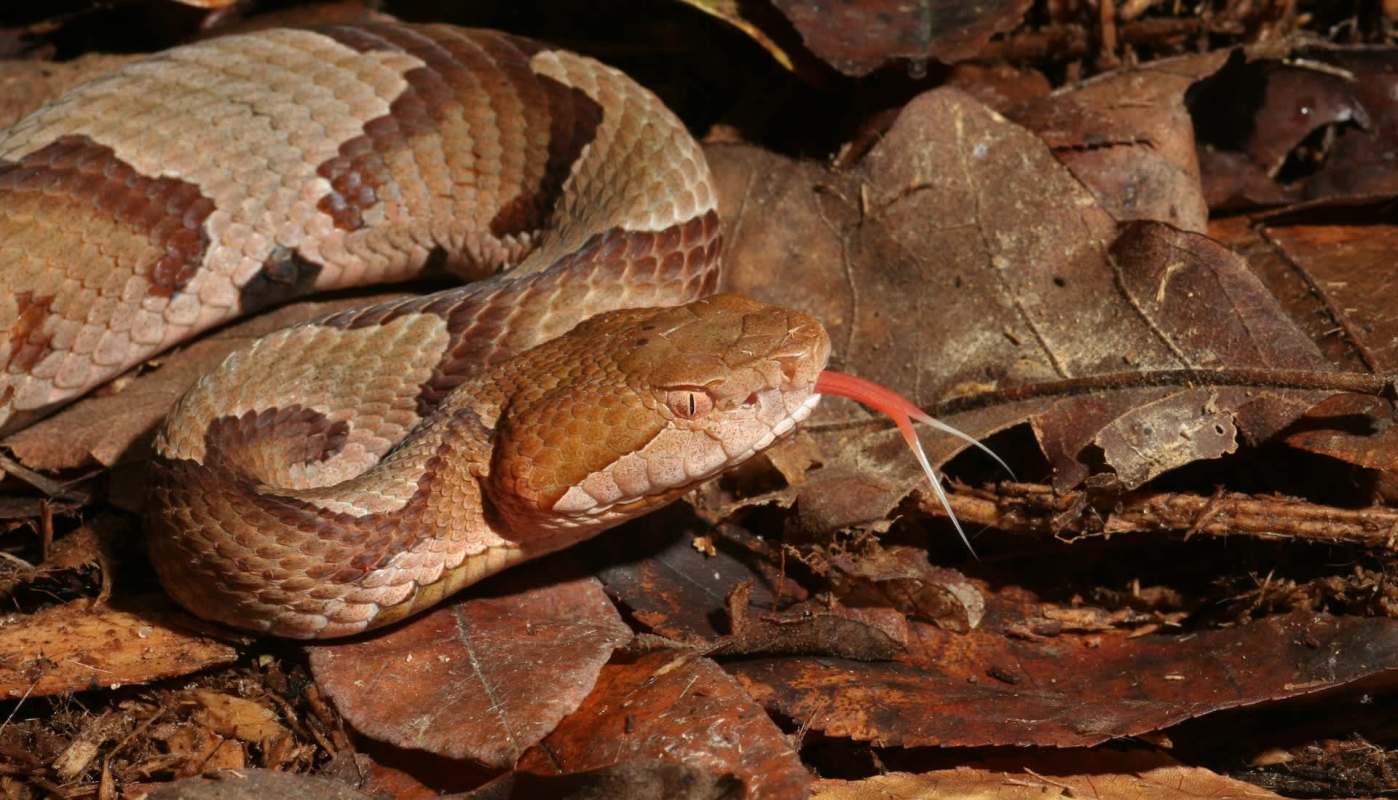
A North Carolina man went into shock after picking up a copperhead he mistook for a nonvenomous snake — a dangerous reminder that warmer weather can bring people and wildlife into closer contact.
That risk can also carry a staggering price tag. In some cases, the initial charge for antivenom can reach $78,000.
According to The Charlotte Observer, Copperheads account for the venomous snakebites seen most often in North Carolina, and while they are rarely fatal, doctors say they should still be treated as medical emergencies until a patient can be evaluated.
WakeMed emergency physician Dr. Benjamin German said some bites are "dry," meaning no venom enters the tissue. Others, however, can cause intense pain, swelling, nausea, breathing trouble, low blood pressure, or even shock.
German said the most severe case he has seen this year involved a man who was bitten on both hands after mistaking a copperhead for a harmless snake and handling it.
"Even at the hospital, his blood pressure was low, he was demonstrating signs of shock, and so he required aggressive treatment ... because that potentially could have been a fatal thing," he said, per The Charlotte Observer.
TCD Picks » Quince Spotlight
💡These best-sellers from Quince deliver affordable, sustainable luxury for all




Treatment may include FDA-approved crotalid antivenom such as CroFab or Anavip.
At UNC, the initial charge for four to six vials typically runs from $46,000 to $78,000.
WakeMed said its listed charge is $11,000 to $14,000 per vial, and additional doses can drive costs even higher.
As temperatures rise, more people spend time gardening, hiking, doing yard work, and exploring wooded areas — all of which can increase the chances of encountering snakes that are simply trying to stay hidden.
Human activity can also play a role in these encounters. Expanding neighborhoods, disturbed habitats, and more time spent outdoors can shrink the buffer between people and wildlife, making accidental run-ins more likely.
In this case, the danger escalated when the snake was handled.
Leave snakes alone. If you see one, back away and give it space. Experts say avoiding contact is the best way to prevent both injury and an emergency-room bill.
If you are bitten, North Carolina Poison Control says to sit down and stay calm, gently clean the area with warm, soapy water, remove jewelry or tight clothing near the bite, keep the bitten area as still as possible, and hold it at heart level. Then call NC Poison Control at 1-800-222-1222.
Do not cut the wound, put ice on it, use a tourniquet, try to remove the venom, or attempt to catch or kill the snake. Those steps can worsen the injury or put you in even more danger.
Call 911 immediately if the bitten person has chest pain, trouble breathing, facial swelling, or loses consciousness. Quick treatment can make a major difference, especially when doctors are deciding whether antivenom is truly necessary.

Get TCD's free newsletters for easy tips, smart advice, and a chance to earn $5,000 toward home upgrades. To see more stories like this one, change your Google preferences here.







