


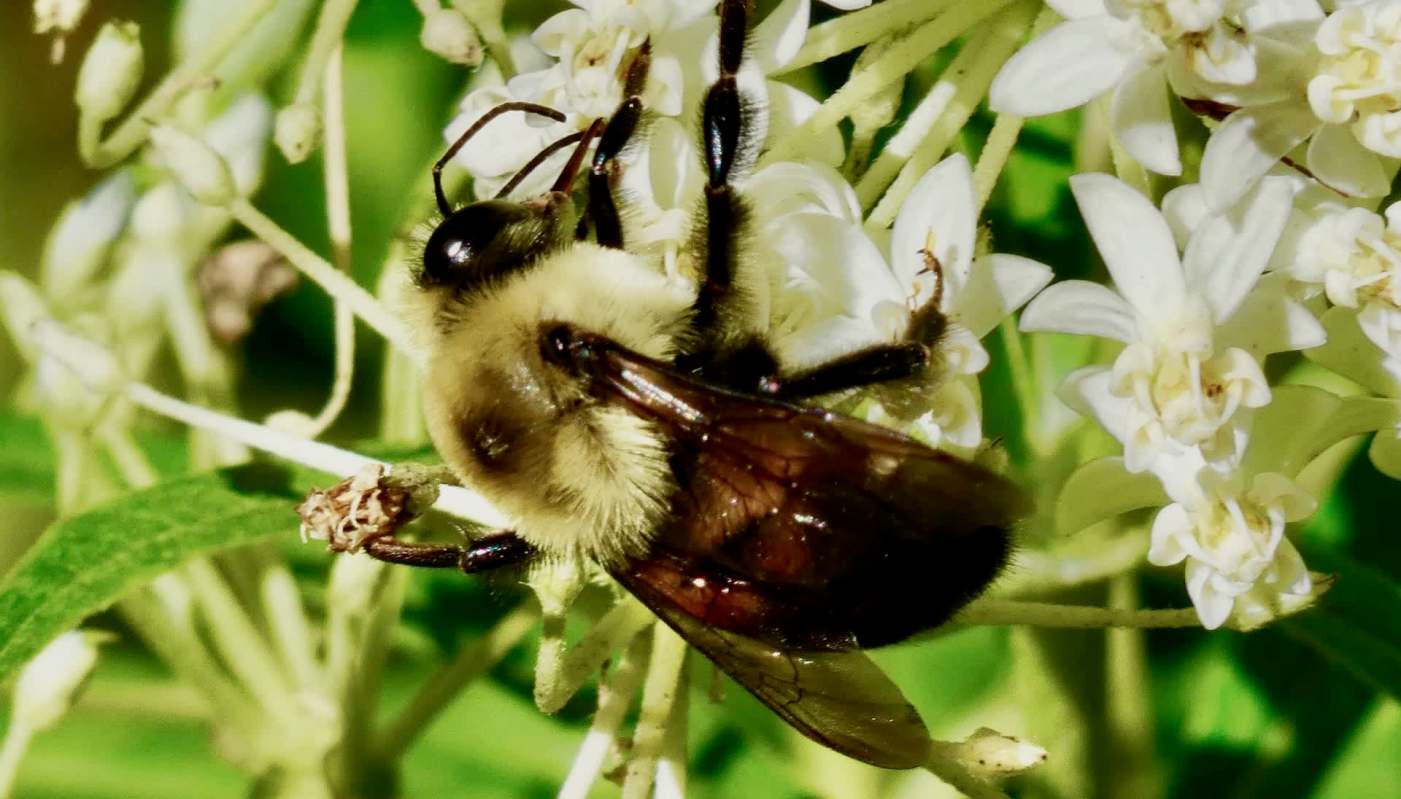
A bumblebee once common across much of the United States is getting a major boost from federal wildlife officials.
The U.S. Fish and Wildlife Service has designated about 1.5 million acres as critical habitat for the endangered rusty patched bumblebee, drawing attention to a species that has vanished from roughly half its historic range.
What happened?
The rusty patched bumble bee once lived across a broad swath of the country, from Maine to Georgia and west to the Dakotas. But since 2000, confirmed sightings have been reported in only 13 states. In 2017, it became the first bee species in the U.S. to receive federal endangered status, according to a yourerie.com article.
Now, the Fish and Wildlife Service says land in Illinois, Iowa, Minnesota, Virginia, Wisconsin, and West Virginia will be designated critical habitat for the species. While the move does not create new protected areas or change land ownership, it does help shape how projects involving the federal government are planned, permitted, and carried out.
"Designations may affect development or other actions that involve federal agencies in planning, permitting or implementation of those actions," the Fish and Wildlife Service said in its announcement.
The bee takes its name from a rusty-colored patch near its wings, though that marking appears only on workers and males. Recent maps from wildlife officials show its current range is concentrated mostly in parts of the Upper Midwest and Northeast, along with some areas considered promising for recovery.
TCD Picks » Quince Spotlight
💡These best-sellers from Quince deliver affordable, sustainable luxury for all




Why does it matter?
Pollinators are a key part of plants' lifecycles; they sustain food crops, backyard gardens, and healthy ecosystems. Habitat protections benefit both wildlife and people.
Scientists say the rusty patched bumblebee's decline is likely tied to a combination of pressures, including habitat loss, pesticides, pathogens, parasites, managed bees, and climate change. As native grasslands and flowering landscapes disappear, pollinators lose the food and shelter they need to survive.
Protecting important habitat helps strengthen pollinator populations. Wildlife experts say the same steps that help the rusty patched bumble bee, such as planting native flowers that bloom from spring through fall and cutting back on pesticide use, can also aid other struggling species, including monarch butterflies.
What are people saying?
Environmental groups said the move is long overdue.
"Protecting its last remaining habitat from further destruction is just common sense," said Lucas Rhoads, a senior attorney at NRDC.
Jay Watson, a conservation biologist with the Wisconsin Department of Natural Resources, also pointed to a practical step people can take at home.
"The best way to attract a variety of bumblebee species and other pollinators to your yard throughout the season is having a good habitat," Watson said.

Get TCD's free newsletters for easy tips, smart advice, and a chance to earn $5,000 toward home upgrades. To see more stories like this one, change your Google preferences here.






