


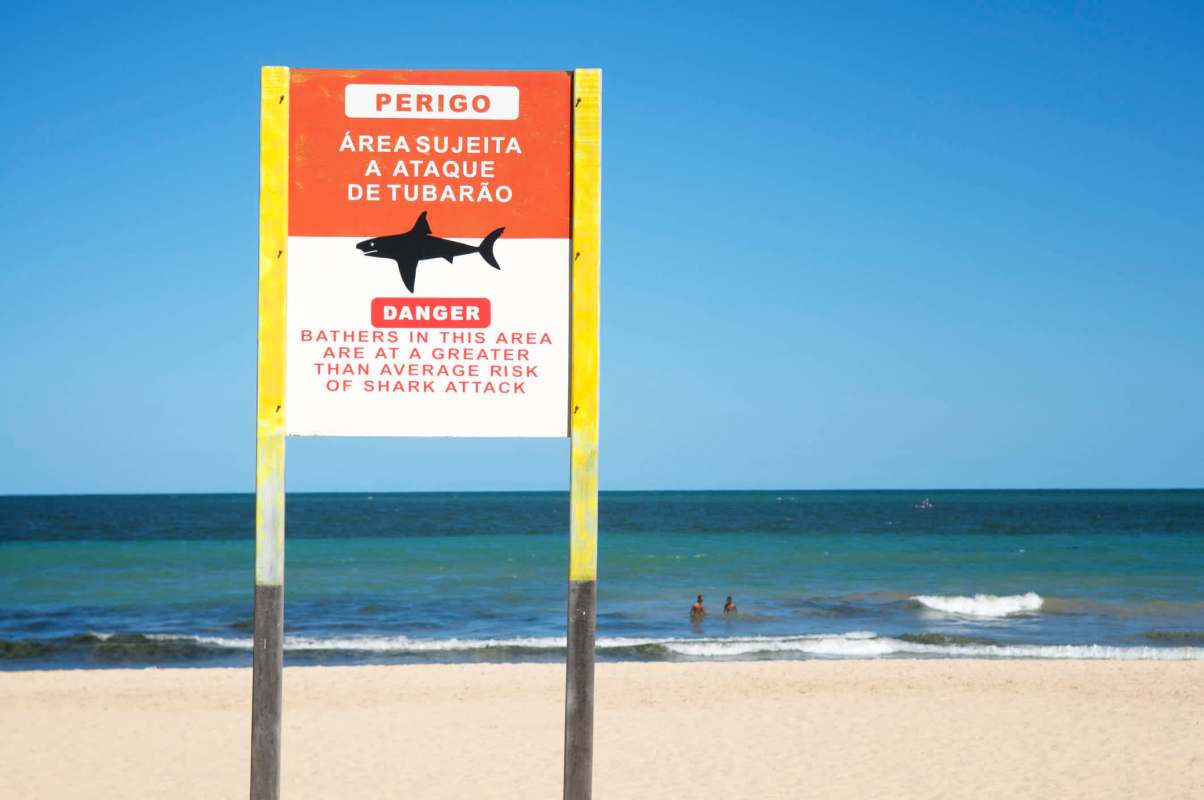
Two shark attacks on Brazil's Pernambuco coast left an 11-year-old boy and a 19-year-old woman with amputated legs.
The back-to-back encounters in Recife reignited debate over beach safety — and about how human changes to coastal ecosystems may make dangerous experiences more likely.
What's happening?
On Sunday, local officials and doctors said 11-year-old João Lucas Castor Nemezio Sales was in shallow water with relatives at Piedade Beach in Jaboatão dos Guararapes when a bull shark attacked his thigh and hand, Dive Magazine reported.
Family members and beachgoers pulled him ashore. He was first taken to the local air force hospital and later transferred to Hospital da Restauração in central Recife, where surgeons amputated his left leg.
A day later, 19-year-old Marcela Vitória de Lima Santos was attacked at Boa Viagem Beach, a little over 6 miles away.
Danise Alves, executive secretary of the State Committee for Monitoring Shark Incidents, said that a tiger shark, estimated to be around 10 feet long, bit off her leg before her cousin Jonas André de Lima, lifeguards, and the public brought her out of the water.
TCD Picks » Quince Spotlight
💡These best-sellers from Quince deliver affordable, sustainable luxury for all




"It's an animal that has behavioural characteristics of going to shallow waters to investigate food," she said.
Marcela's cousin described hearing her scream his name before he ran to help pull her to shore.
A doctor who was on vacation reportedly used the drawstring from Marcela's shorts as a makeshift tourniquet and applied pressure to slow the bleeding until she could be transported for surgery.
Why does it matter?
Officials said the attacks happened in murky water and around high tide, conditions that can make it harder for sharks and swimmers to see one another. Heavy rain may also have played a role.
Experts have linked Recife's unusually high number of shark incidents to coastal changes, including nearby river discharge, port projects, and fishing activity that may draw sharks closer to shore.
Since monitoring began in 1992, Pernambuco has recorded 84 shark attacks, most of them along the same Greater Recife stretch that includes Boa Viagem and Piedade beaches, according to Dive Magazine.
What are people saying?
"Late afternoon and early morning are when this species is most active, searching for prey," Alves said, per Dive Magazine.
She added, "We have to be very careful when swimming in the open sea, even in shallow waters."

Get TCD's free newsletters for easy tips, smart advice, and a chance to earn $5,000 toward home upgrades. To see more stories like this one, change your Google preferences here.







