


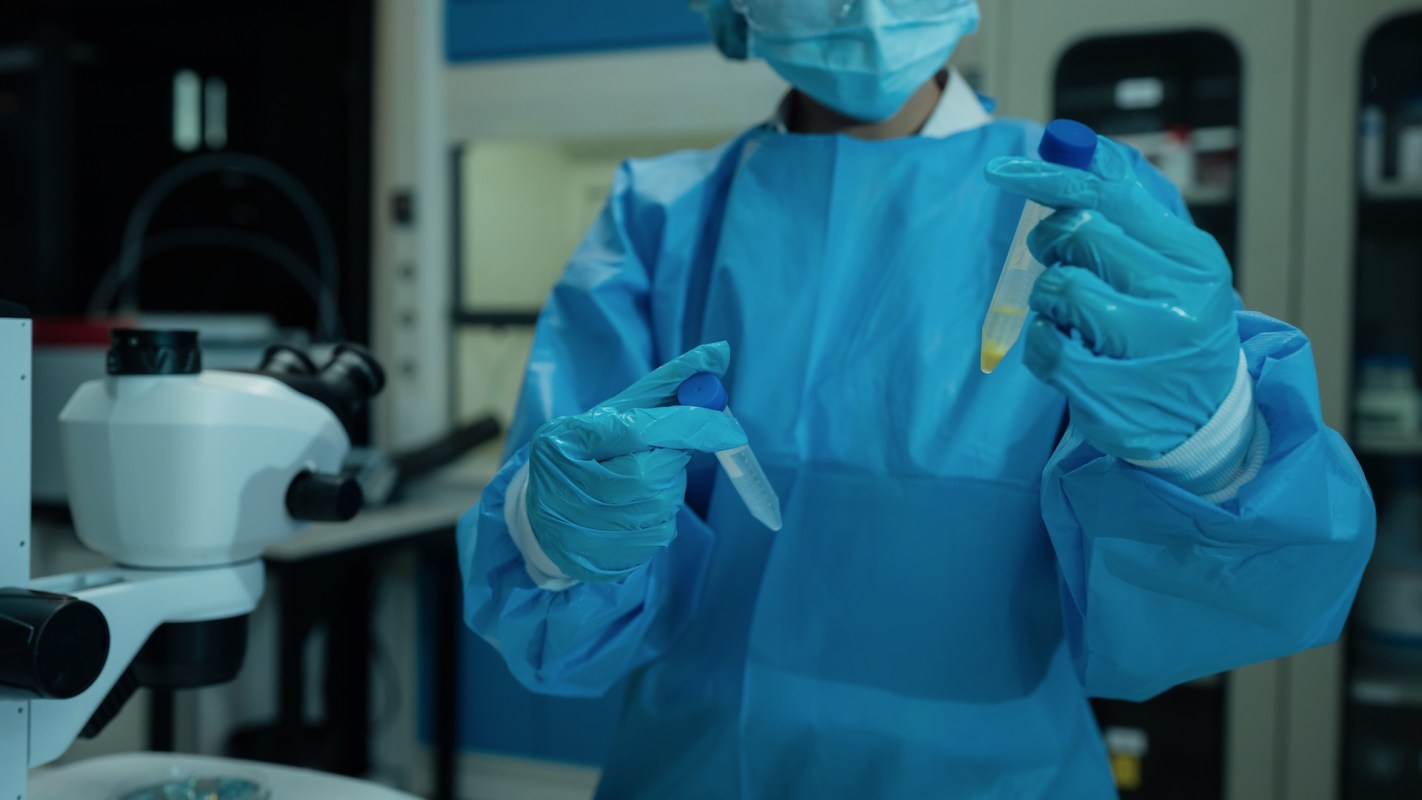
A fast-moving Ebola outbreak in Central Africa has set off an urgent vaccine race, with three research teams working to stop the rare Bundibugyo species of the virus.
The strain had killed nearly 250 people by the beginning of June, and there is no approved vaccine for this species of Ebola, leading health leaders to warn that time is running short.
According to the BBC, scientists at the International Aids Vaccine Initiative, the University of Oxford, and Moderna are all developing vaccines targeting the Bundibugyo species of Ebola, a rare species linked to more than 1,000 suspected cases in DR Congo, along with confirmed cases in neighboring Uganda.
Bundibugyo has been seen only twice before, and existing Ebola vaccines do not protect against all species. There is a vaccine for the more common Zaire strain.
"With Bundibugyo virus spreading rapidly and no licensed vaccines, every day counts in the race against this deadly disease," Dr. Richard Hatchett, the CEO of the Coalition for Epidemic Preparedness Innovations that is funding all three programs, told the BBC.
The three vaccine efforts are taking different approaches. IAVI is adapting a live harmless virus to train the immune system to recognize the Bundibugyo glycoprotein, while Moderna and Oxford are using genetic-code-based technologies similar to the tools that helped speed COVID-19 vaccine development.
TCD Picks » Quince Spotlight
💡These best-sellers from Quince deliver affordable, sustainable luxury for all




Oxford said its candidate could reach clinical trials in roughly two to three months, while IAVI said its timeline is currently seven to nine months, though it is working to move faster.
Ebola outbreaks can escalate quickly, especially in places facing conflict and limited access to health care. Experts have expressed fear that this outbreak could approach the scale of the devastating 2014 to 2016 West Africa crisis, which infected nearly 29,000 people and killed more than 11,000, per the BBC.
Scientists must first identify the strain, then build a targeted vaccine, and then test whether it is safe and effective. That process can move faster than it once did, but it still requires coordination, funding, and clinical trials before a shot can be widely used.
When health systems are already strained, delays in detection and treatment can give outbreaks more time to spread, putting more communities at risk and increasing pressure to contain a disease before it crosses borders.
Dr. Mark Feinberg, head of IAVI, told the BBC the situation was "clearly threatening to be as severe" as past Ebola crises, "if not even worse," adding that a vaccine is "clearly a priority."
Medical charity Médecins Sans Frontières also called the situation "deeply alarming," saying it had never seen "so many cases" recorded so early in an outbreak.

Get TCD's free newsletters for easy tips, smart advice, and a chance to earn $5,000 toward home upgrades. To see more stories like this one, change your Google preferences here.






