


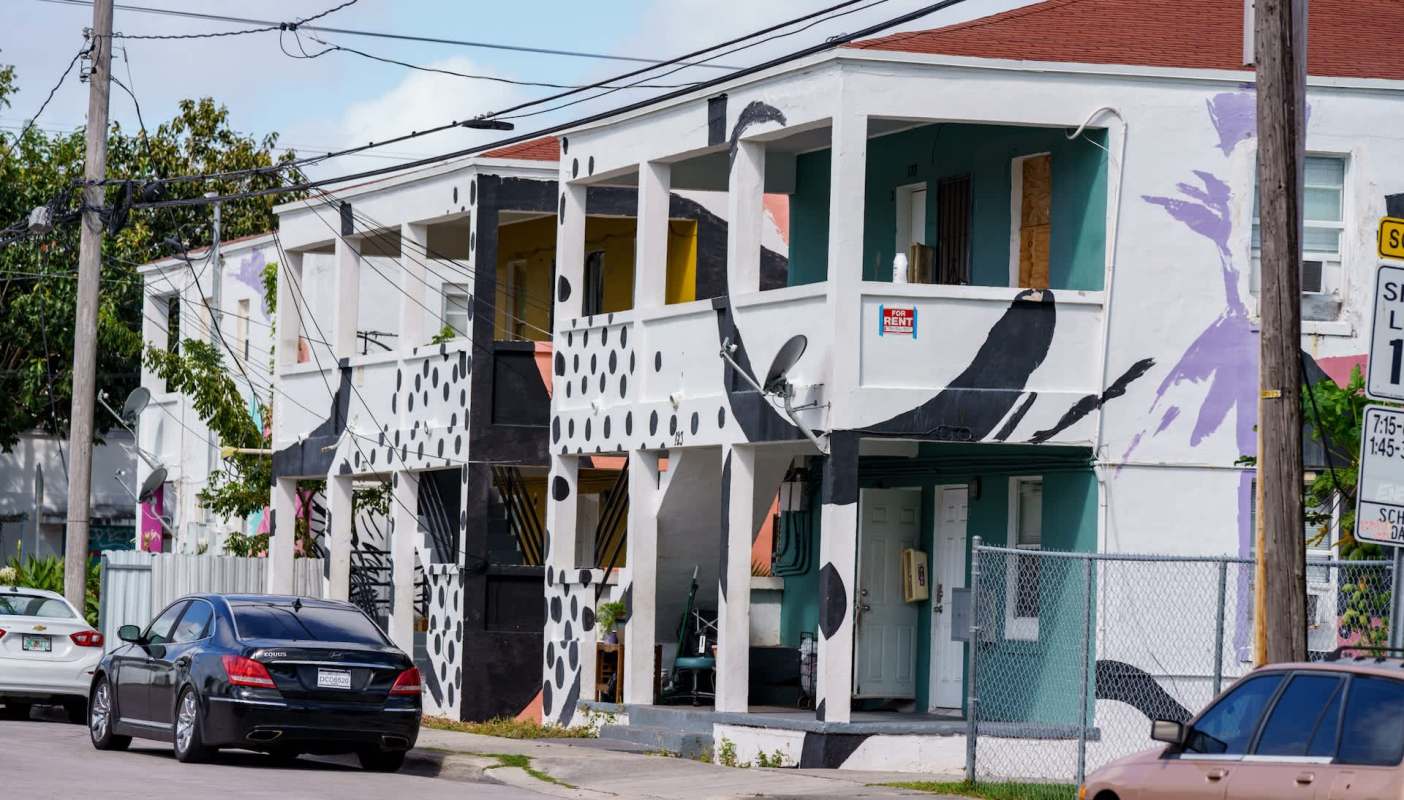
As rising seas and soaring insurance costs reshape Miami's housing market, investors are increasingly turning their attention to Black neighborhoods on high ground, transforming climate risk into a new wave of displacement. For many longtime residents, the pressure begins long before anyone knocks on the door.
Capital B reported that Miami's inland Black neighborhoods are being snapped up as buyers seek safer ground away from the flood-prone coast. Areas such as Overtown, Liberty City, Little Haiti, and Little River sit on a limestone ridge roughly 8 feet higher than the coast, making them newly desirable as sea level rise worsens.
Residents say the change is happening quickly. Latonya Floyd, whose family has lived in the same home for generations, told Capital B that about half the homes on her block have changed hands since 2023. Nearby, a rental that cost $800 a month in 2021 is now listed for $2,200. Citywide, Miami's Black population share fell from about 17% to roughly 10% in under 15 years.
Insurance is a big part of the reason. Florida home insurance costs have nearly doubled since 2014, and premiums along Miami's coasts could be four times higher by 2055. At the same time, Miami's own climate planning encourages development in areas less likely to flood.
Many of these neighborhoods were where Black residents were pushed because they were close to rail lines, industry, dust, and pollution. Now those same communities are being rebranded as climate havens because they sit on high ground.
The changing climate is doing more than threatening homes with rising water — it is also reshuffling who gets to remain in the safest places. Families who built wealth through homeownership are facing mounting pressure from cash buyers, while renters are absorbing steep increases in one of the country's toughest housing markets. Some residents are being pushed into lower, more flood-prone neighborhoods or out of Miami-Dade County entirely.
TCD Picks » Quince Spotlight
💡These best-sellers from Quince deliver affordable, sustainable luxury for all




Capital B reported that climate-related displacement could force even more Americans from their homes than were uprooted during the Great Migration.
Community groups in Miami are trying to prevent that outcome. Struggle for Miami's Affordable and Sustainable Housing, or SMASH, is buying land and placing it into a community trust so homes cannot be flipped by speculators.
SMASH has secured about $1 million in financing, Capital B reported, to acquire and rehab multifamily housing, creating at least nine affordable units so far. Other groups, including Power U and the Right to the City Alliance, are organizing tenants, fighting evictions, and pushing the city to build anti-displacement protections into climate and housing policy.
Miami-Dade leaders have acknowledged that climate investments can raise property values without keeping living costs in check.
"It is crazy to think that [climate change] is a part of the shift we're seeing, the gentrification," Floyd said. "Where could we even go to live if it isn't here?"

Get TCD's free newsletters for easy tips, smart advice, and a chance to earn $5,000 toward home upgrades. To see more stories like this one, change your Google preferences here.






