


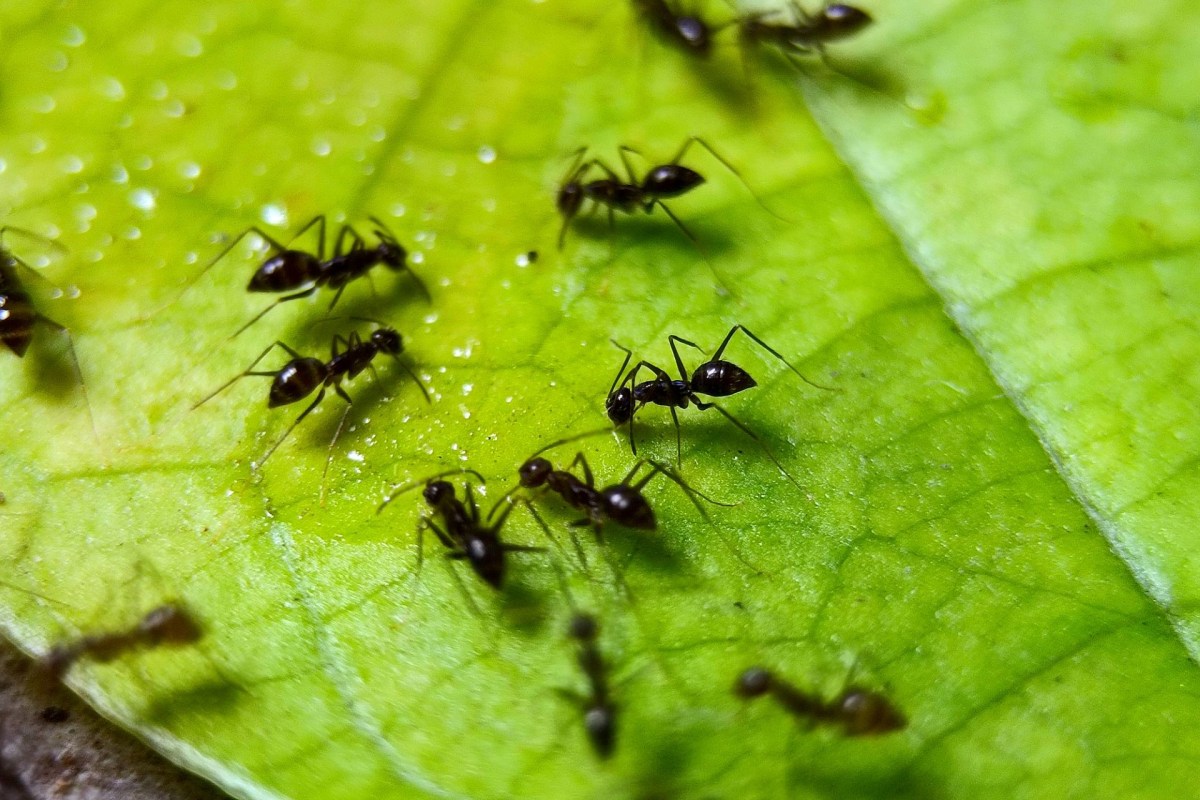
A tiny invasive ant whose sting has been likened to liquid fire has now been reported in 22 states, which is alarming experts for two main reasons: It can trigger dangerous allergic reactions, and it is wiping out native ants that help ecosystems function.
In Georgia, one sting nearly proved fatal for gardener Susan Simon, who said she lost consciousness after being stung a third time, according to InvestigateTV.
"My family was here to help. Thank goodness. I lost consciousness, and they actually caught me as I was going down," she said, per InvestigateTV.
Researchers are also warning about the damage the ant is causing to the environment. A decade-long study of infested sites in Athens, Georgia, that found 60% of native ant species had disappeared locally.
James Vogt, an entomologist with the U.S. Forest Service, said that in heavily infested areas, even lifting a piece of wood makes it likely that Asian needle ants will be inside.
For some people, a sting can cause a severe allergic reaction.
TCD Picks » Quince Spotlight
💡These best-sellers from Quince deliver affordable, sustainable luxury for all




"You won't know if you're allergic to it until you're stung," Simon said.
Native ants do a large amount of often-unnoticed work, loosening soil, decomposing organic material, moving native plant seeds, and keeping other insects in check.
When Asian needle ants push them out, those routine ecosystem services begin to break down, eventually affecting the places where people live, garden, and recreate.
Vogt recommends that people who are already sensitive to insect stings ask their doctor whether keeping an EpiPen on hand makes sense in case of a serious reaction.
If you think you have found Asian needle ants, experts advise against disturbing them. Instead, contact your local agriculture extension office for guidance.
The pest control company Orkin also recommends sealing entry points, repairing leaks, and keeping food in airtight containers.
Clearing debris, leaf litter, and mulch near the home's perimeter can reduce the number of nesting sites.

Get TCD's free newsletters for easy tips, smart advice, and a chance to earn $5,000 toward home upgrades. To see more stories like this one, change your Google preferences here.






