


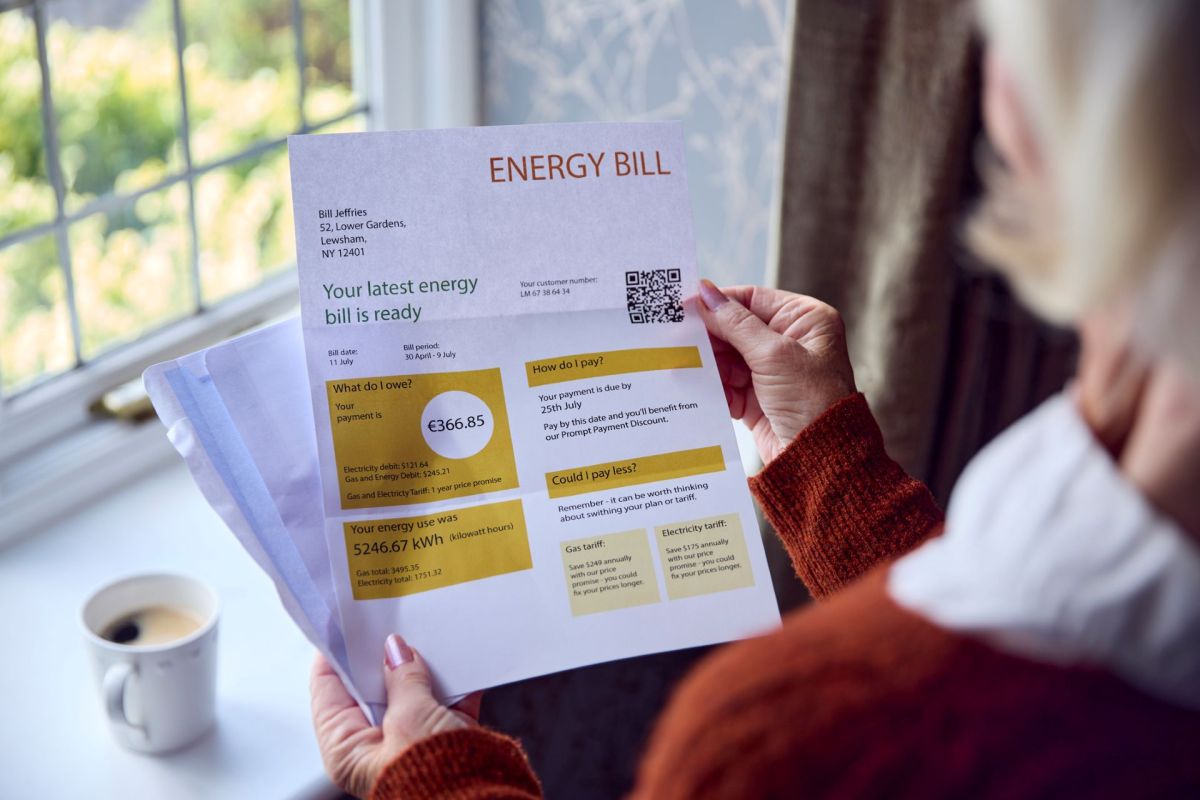
A rooftop-solar owner shared their frustrations on Reddit after receiving a PG&E bill that seemed to show a painful mismatch: about $12 in energy charges and roughly $68 just to deliver that power. It raised a familiar question: If a homeowner with solar panels is generating much of their own electricity, why are utility costs still so high?
In a Reddit post on r/solar, the original poster blasted PG&E and shared a photo of what they described as a "ridiculous" bill, saying it was "effing robbery."
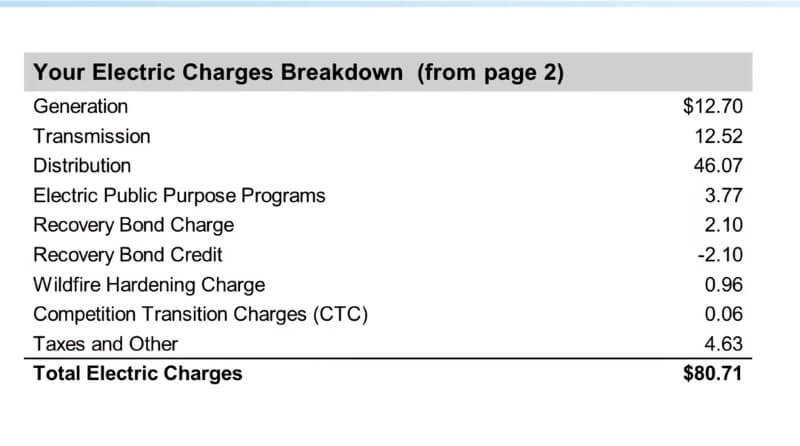
In the comments, the original poster explained they have "a big solar system and few backup batteries." Despite generating and exporting 550 kilowatt-hours of energy to the grid during the period, the homeowner was still hit with lingering utility charges — albeit far less than if they didn't have the panels. The situation drew reactions from other users, many of whom said they were seeing similar patterns.
Some commenters argued that delivery and distribution costs are largely separate from how much electricity a home uses, as the company has to maintain the transmission lines and residential power lines, among other logistics. Others pushed back, saying recent rate changes have shifted more of the burden onto fixed fees and delivery charges, leaving solar customers feeling squeezed even when they send power back to the grid.
Despite frustrating charges like this, homeowners often see massive lifetime savings by upgrading their home with solar panels and battery backups. In fact, the experts at EnergySage estimate that some U.S. solar owners will save over six-figures in energy costs over the lifetime of their system.
If you're curious about how much you can save with solar, EnergySage can help you get free information, compare competitive quotes, and connect with local installers.
While some users acknowledged that the charges help fund the maintenance and operation of the electric grid, others expressed frustration over fees that can remain high even when their electricity usage is low.
"Utah has the same charges. I pay $80/mo no matter how much solar power I make," one user wrote.
Save $10,000 on solar panels without even sharing your phone number Want to go solar but not sure who to trust? EnergySage has your back with free and transparent quotes from fully vetted providers that can help you save as much as $10k on installation. To get started, just answer a few questions about your home — no phone number required. Within a day or two, EnergySage will email you the best local options for your needs, and their expert advisers can help you compare quotes and pick a winner. |

In the thread, commenters focused on a few practical ways to reduce reliance on the grid rather than cutting the cord entirely. Batteries came up repeatedly, with users saying larger storage systems can help households use more of their own solar power at night and avoid costly imports during peak periods.
Commenters also debated bigger reforms, including clearer fixed grid-access charges, pricing based on service capacity, and more pressure on utilities and regulators to make bills easier to follow and more equitable.
"I have no issue paying for what I actually use, but this is ridiculous," the original poster wrote.
While this homeowner will likely continue paying certain fixed utility charges, solar owners still come out ahead more often than not, with long-term energy savings typically outweighing those unavoidable fees.
More From EnergySage
💡Go deep on the latest news and trends shaping the residential solar landscape

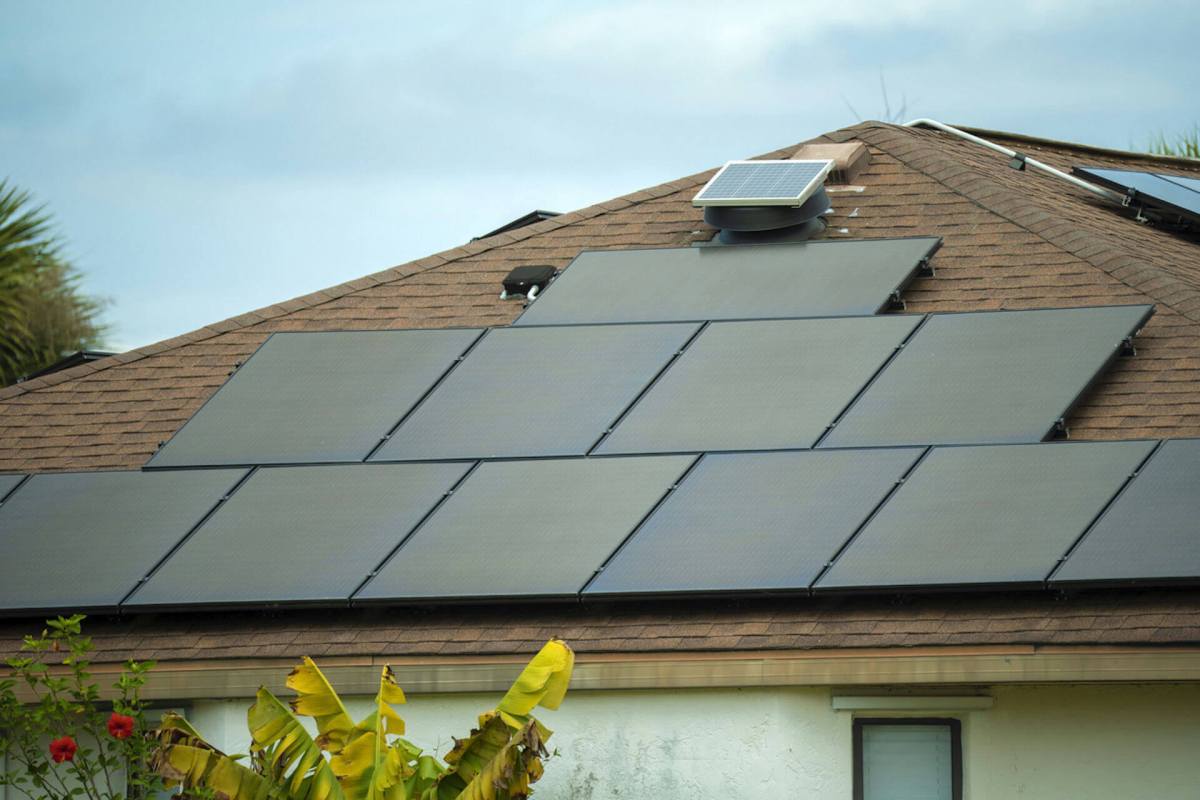

If you're considering rooftop panels, EnergySage's free tools can help you compare quotes from vetted installers and find the best value for your project. In fact, homeowners who use EnergySage can save up to $10,000 on solar purchases and installations by comparing competitive bids in one place.
You can also use EnergySage's state-by-state mapping tool to see the average cost of a solar installation where you live, along with details on available solar incentives. Together, these resources can help you secure the best price on a system while making sure you don't miss out on potential rebates and tax credits.
Adding battery storage can make a solar setup even more valuable by providing backup power during outages, reducing energy costs, and helping you rely less on the grid. If you're interested in battery options, EnergySage also offers free battery resources that let you compare storage solutions and competitive installation estimates to find the right fit for your home.

Get TCD's free newsletters for easy tips, smart advice, and a chance to earn $5,000 toward home upgrades. To see more stories like this one, change your Google preferences here.






