


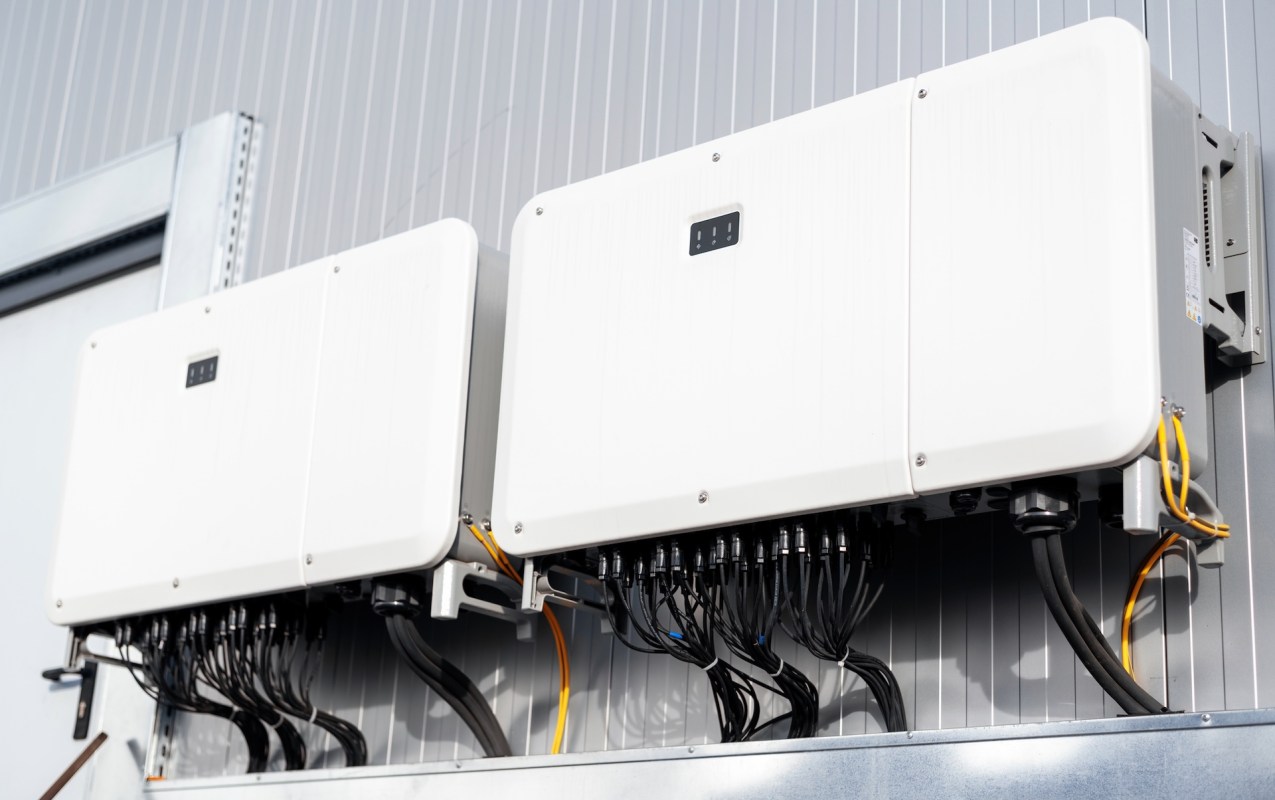
As electricity prices rise and grid outages become more common, more homeowners are deciding that solar panels alone may no longer be enough.
According to Fire & Safety Journal Americas, home battery storage is moving into the mainstream.
Wood Mackenzie's Energy Storage Monitor says the global residential energy storage market could grow from roughly $6 billion in 2023 to more than $25 billion by 2030.
A major reason is cost. BloombergNEF's battery price survey says solar battery costs have fallen by more than 90% since 2010, largely due to improvements in lithium-ion technology and mass production.
That sharp decline has changed the equation for families weighing whether solar-plus-storage makes financial sense.
In the U.S., the Solar Energy Industries Association says batteries were added to more than one in five new residential solar systems in 2023, and that share is still climbing.
TCD Picks » Quince Spotlight
💡These best-sellers from Quince deliver affordable, sustainable luxury for all




Federal incentives are also helping speed adoption. The Inflation Reduction Act allows homeowners to claim a 30% tax credit for installing solar batteries.
States such as California, Texas, and Hawaiʻi are leading the shift, driven by outage concerns and time-of-use pricing that favors using stored power during expensive peak hours.
The appeal is lower bills, more control over energy use, and stronger backup power.
During the day, rooftop solar panels can charge a battery. At night, during cloudy weather, or in a blackout, the stored power can run essentials such as refrigeration, lighting, Wi-Fi, and medical devices.
That added resilience is becoming more important as extreme weather strains aging grid infrastructure.
A typical grid-connected solar setup usually powers down during outages for safety, but a home battery system can keep supplying electricity. And when enough homes participate, those batteries can do more than help individual families — they can support the broader grid by easing demand spikes.
Virtual power plant programs allow utilities to tap participating homes' batteries during grid stress events, usually in exchange for bill credits.
Understanding how the home uses energy is the first step. Checking monthly kWh use, peak-demand periods, and the amount of backup time needed can help an installer recommend the right system size.
Between the federal 30% tax credit, state rebates, and some utility programs, upfront costs can drop significantly, even though many systems still run roughly $10,000 to $20,000 installed.
For homeowners who already have solar panels, many newer batteries can be added later rather than only during a new installation.
Popular residential systems are designed for retrofits, and many include software that automatically decides when to store, use, or export electricity.
Batteries degrade over time, generally require professional installation, and may provide only about one night of moderate backup power unless additional storage is added.
With minimal maintenance and improved safety features such as battery management systems, thermal sensors, and automatic shut-offs, the technology is becoming easier to live with.
As prices continue to fall and systems become smarter, solar batteries are shifting from an optional add-on to an everyday energy tool.
For many households, they offer a clearer path to lower bills, better blackout protection, and a home that keeps working when the grid does not.

Get TCD's free newsletters for easy tips, smart advice, and a chance to earn $5,000 toward home upgrades. To see more stories like this one, change your Google preferences here.






