


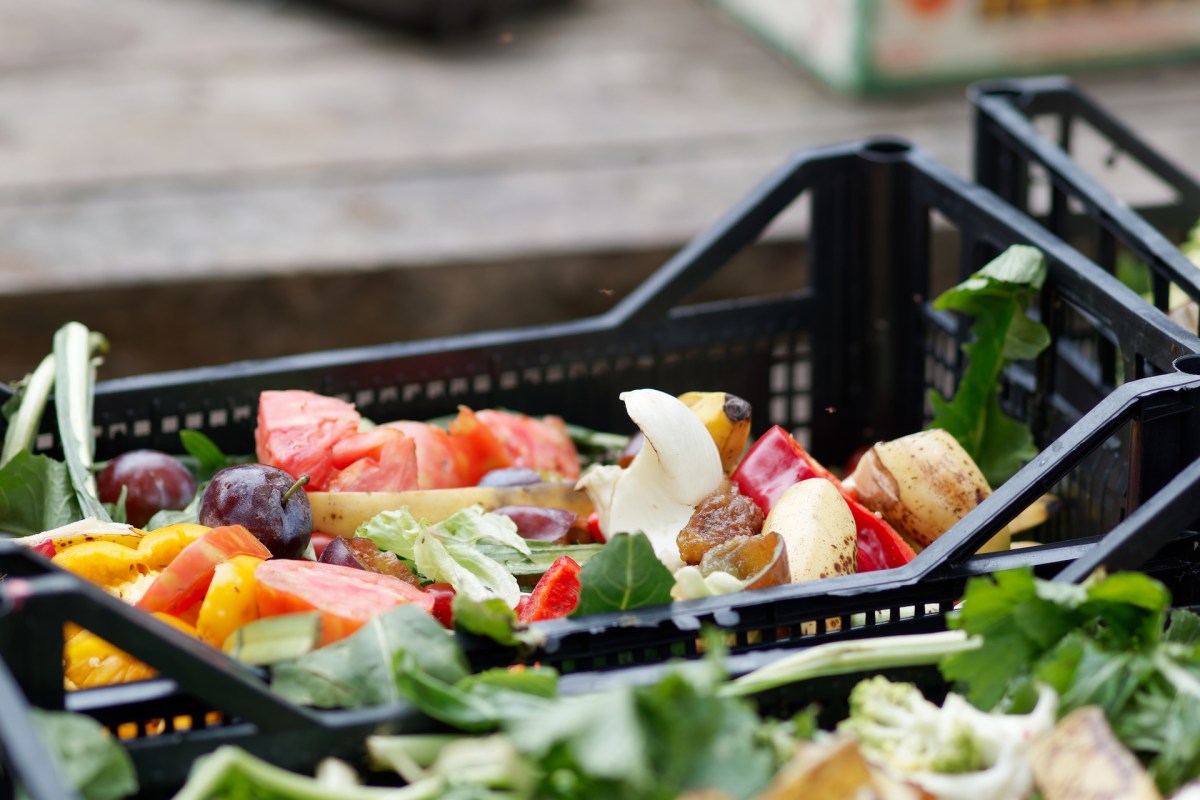
What if the biggest reason food gets thrown away isn't what shoppers can see — but what they can't?
A new article by McMaster University researchers points to a frustrating reality many people know well: food can look perfectly fine until, suddenly, it isn't.
Md Masuduzzaman and Elkafi Hassini, of McMaster University's DeGroote School of Business, recently outlined how this kind of "invisible" spoilage drives major food losses across the country.
Their article explains that food often begins to degrade long before the damage becomes obvious to the human eye.
The researchers noted that food costs were up by as much as 27% over the previous five years, adding to the strain on families, retailers, and food banks alike.
They wrote that Canada generates roughly $58 billion in avoidable food waste annually and described spoilage as a slow biological process that often cannot be detected until food is already badly damaged.
TCD Picks » Quince Spotlight
💡These best-sellers from Quince deliver affordable, sustainable luxury for all




To tackle the problem, their team developed a framework called FreshTrack, which uses Internet of Things sensors to monitor temperature and humidity and produce a live freshness score.
They are also testing CrowdFeeding, a platform designed to move surplus food more quickly and directly to households.
Better monitoring could help businesses spot problems earlier, move food faster, and avoid throwing out products that are still safe to eat.
That could lower costs across the supply chain and help ease some of the price pressure shoppers feel at checkout.
More accurate freshness tracking could reduce the likelihood that meat, dairy, produce, and other perishables remain in poor conditions for too long, potentially lowering food safety risks.
For food banks and community organizations, real-time monitoring may also help ensure fresher donations reach the people who need them most.
When food is wasted, so are the resources needed to grow, refrigerate, package, and transport it.
The researchers argue that food waste is not only a logistics problem, but also an information problem, pointing to better freshness data as a key part of the solution.
They also cited Second Harvest, saying best-before dates are linked to 23% of avoidable food waste between processing and purchase — a sign that static labels do not always reflect how food is actually stored in the real world.
With the right investment and regulations, they said Canada could set national standards for digital food quality monitoring and help move Canadian innovations from pilot projects into everyday use.

Get TCD's free newsletters for easy tips, smart advice, and a chance to earn $5,000 toward home upgrades. To see more stories like this one, change your Google preferences here.






