


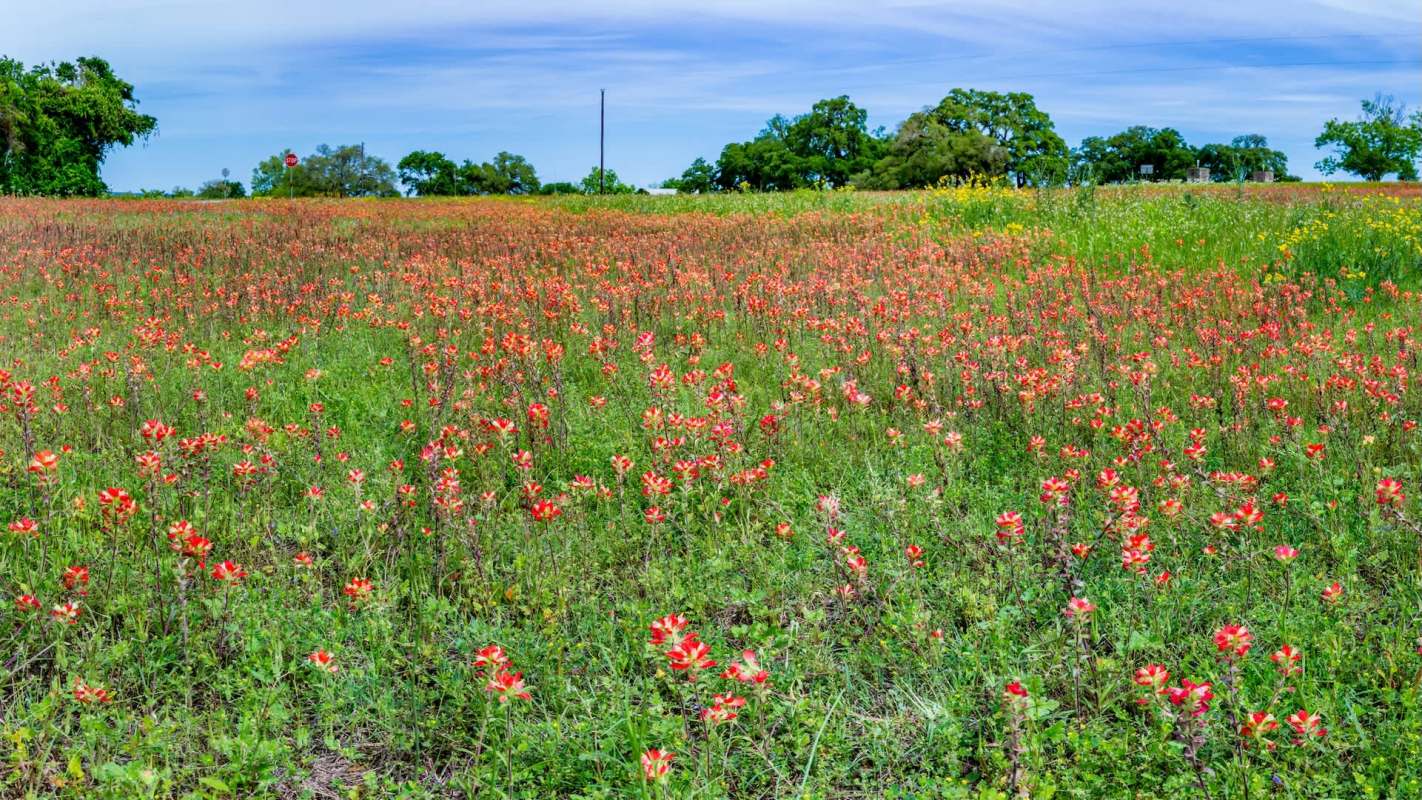
A rural Texas standoff over data centers is gaining traction online after residents began sharing photos and protest signs warning that their open land could be replaced by industrial-scale server campuses.
For Brian and Laura Crawford, the fight is personal. They say their 118-acre property near the Paluxy River Valley could soon sit next to a massive data center complex instead of oak-dotted views.
What's happening?
Hood County, about an hour southwest of Fort Worth, has become a hotspot for proposed data center development. The Texas Tribune reported that eight projects have been pitched across more than 7,600 acres in the area, including one of the largest, called Comanche Circle, planned near the Crawfords' home.
Neighbors began posting permit notices and photos of protest banners on Facebook, helping organize opposition through efforts including the nonprofit Protect the Paluxy Valley.
At public meetings, Brian Crawford described his fear that scenic ranchland could be turned into "a slab of concrete." He compared one proposal to "112 Walmarts on a piece of property," while signs posted along fences read: "Don't data center my Hood County."
Why is the data center boom concerning?
The Tribune reported that Comanche Circle and two smaller related projects from the same developer may together require as much as 3 gigawatts once fully built, roughly enough to power about 3 million homes. Water use has also emerged as a major flashpoint, with developers and residents disputing how much groundwater the facilities could consume.
TCD Picks » Quince Spotlight
💡These best-sellers from Quince deliver affordable, sustainable luxury for all




The growth is tied to the rapid expansion of hyperscale data centers, which are increasingly used to support AI systems. AI can help utilities forecast demand, improve grid efficiency, and integrate more renewable energy.
But the infrastructure behind those systems can also strain local power supplies, consume significant amounts of water, raise costs for nearby communities, and intensify concerns about security, misuse, and who bears the burden of rapid tech expansion.
In unincorporated parts of Texas, counties have limited authority to stop projects — this is one reason developers are increasingly targeting rural land. Hood County officials have tried to slow the process with stricter rules, but those efforts have already triggered multiple lawsuits, according to the Tribune.
What are people saying?
County Commissioner Dave Eagle said the proposals "snuck up on us," reflecting the frustration many residents share as projects move faster than regulations.
Resident Matt Long put the stakes in even starker terms at a public hearing: "I'd rather deal with a lawsuit, than destruction of our land … You were elected to make hard decisions."
Despite local opposition, the Commissioners Court decided to table discussions of a potential moratorium on new industrial developments due to fears of more lawsuits. Comanche Circle was ultimately granted conditional approval.
Nearby Hill County, however, successfully approved a one-year moratorium on the construction of new data centers in unincorporated areas, leaving Hood County residents even more frustrated.
According to the Tribune, Christine Leftwich, the Hood County clerk, said their failure to do the same has "been the biggest disappointment."

Get TCD's free newsletters for easy tips, smart advice, and a chance to earn $5,000 toward home upgrades. To see more stories like this one, change your Google preferences here.






