


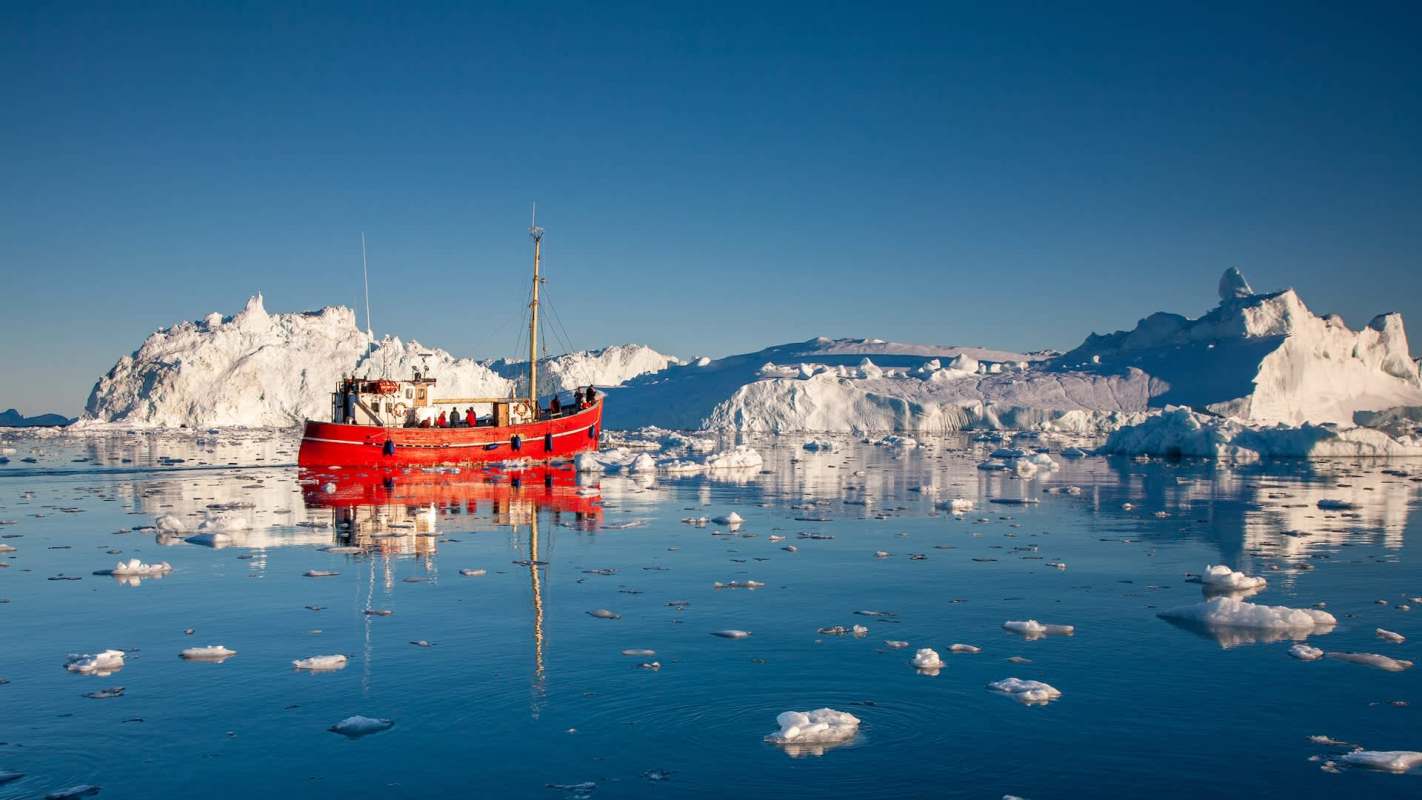
The Arctic's disappearing sea ice is doing more than reshaping one of the fastest-warming places on Earth. Scientists say it is also depleting the ocean of nitrate.
Nitrate helps sustain the tiny organisms at the base of the marine food web. That change could ripple outward to fish, seabirds, and marine mammals.
A new study published in Communications Earth & Environment found that nitrate levels in Arctic waters flowing through Fram Strait have been decreasing since around 2009. This pattern of decline aligns with the accelerating pace of sea ice loss.
Scientists from the University of Edinburgh and partner institutions analyzed more than 20 years of ocean sampling data from the strait, a crucial gateway between the Arctic Ocean and the Atlantic. Their findings point to what researchers describe as a major turning point for the Arctic system.
As sea ice retreats, shallow shelf waters that were once in the shade end up seeing more sunlight. Researchers say that that process appears to intensify benthic denitrification, a natural process where nitrate converts into nitrogen gas on the seafloor.
Because the Arctic's continental shelves cover nearly half of the ocean, the effect could be widespread.
TCD Picks » Quince Spotlight
💡These best-sellers from Quince deliver affordable, sustainable luxury for all




"For years, sea-ice loss in the Arctic Ocean was expected to increase phytoplankton growth because more sunlight could reach surface waters," said Marta Santos-García, who co-led the study, in a ScienceDaily press release. "Our findings suggest that this relationship has changed."
The press release also noted that nitrate is essential for plankton growth, and plankton form the foundation of the Arctic marine ecosystem. If less nitrate is available, the ocean may support less life overall. The species that do thrive may be smaller plankton that sustain less productive food webs.
A weaker food chain can put more pressure on fish populations, which could create consequences for North Atlantic commercial fishing.
Plankton draw carbon dioxide from the atmosphere through photosynthesis, so slower plankton growth could reduce the Arctic Ocean's capacity to store carbon. The same heat-driven sea ice loss that disrupts ecosystems may also weaken a natural climate buffer.
Researchers say the change may not be temporary. Because the shift is linked to continuing sea ice loss, they think the Arctic Ocean may not easily return to its earlier state.
"The Arctic Ocean appears to have shifted from a system mainly limited by light to one increasingly limited by nitrate availability, with far-reaching consequences for marine ecosystems, food chains and the role of the Arctic in the Earth's climate," Santos-García said.
Professor Raja Ganeshram added, "The changes we report suggest that the Arctic Ocean ecosystem passed a tipping point around 2009."
The international team behind the study said scientists need to closely track how this nitrate decline moves through the food chain. Further research could allow them to better understand how this is affecting ecosystems beyond the Arctic, including key commercial fishing regions.

Get TCD's free newsletters for easy tips, smart advice, and a chance to earn $5,000 toward home upgrades. To see more stories like this one, change your Google preferences here.






