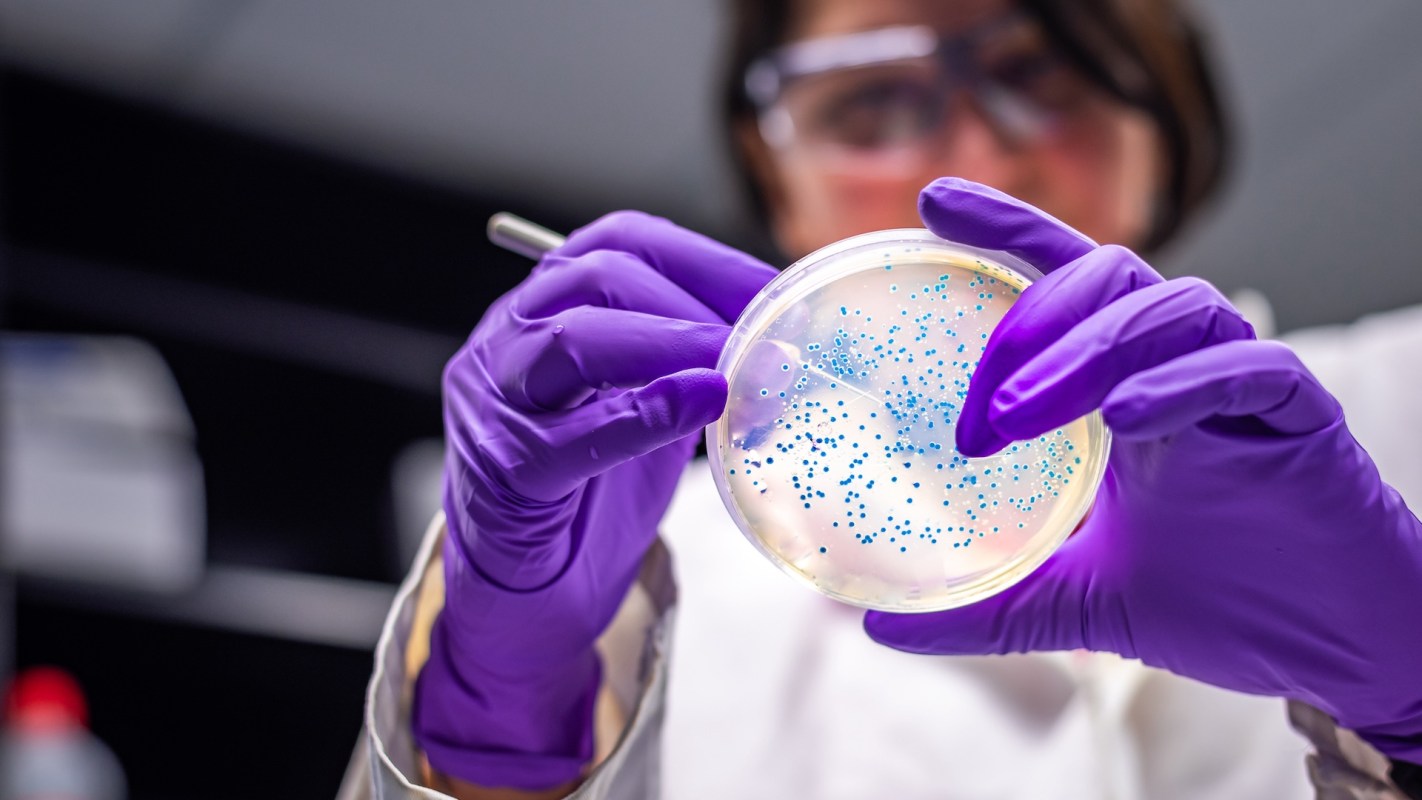
A new international study suggests salmonella is becoming more resistant to antibiotics as the planet warms, adding new urgency to a global health threat that already contributes to more than 1 million deaths each year.
Researchers said the misuse of antibiotics is still the main driver of resistance, but climate change may be worsening the problem.
In a first-of-its-kind analysis, published in The Lancet Planetary Health and first reported by The Guardian, researchers from the U.K., France, Australia, Switzerland, and China examined a dataset of more than 480,000 salmonella genomes collected across 139 countries from 1940 to 2023.
They found that climate change was linked to about a 10% worldwide increase in salmonella antibiotic resistance genes over that period. Salmonella is one of the world's most common bacterial diseases and a frequent cause of foodborne illness.
The team compared resistance-gene levels with long-term shifts in temperature and rainfall. Their modeling suggested the relationship was far more complex than a simple rise with higher temperatures. Instead, resistance appeared to fluctuate in response to a combination of warming and changing precipitation patterns, revealing a more nuanced connection between climate conditions and resistance levels.
"The accumulated evidence suggests that climate change is an accelerating force behind the global spread of antimicrobial resistance," the study authors wrote.
TCD Picks » Quince Spotlight
💡These best-sellers from Quince deliver affordable, sustainable luxury for all




The study did not prove that climate change directly caused the increase. Still, 82% of countries included in the analysis showed rising salmonella resistance genes, with the biggest climate-associated gains seen across the Middle East and North Africa, followed by South Asia and sub-Saharan Africa, The Guardian noted.
"These findings reinforce the idea that climate change alters microbial ecological stability and accelerates resistance evolution across human, animal, and environmental reservoirs," the authors added.
Antibiotic resistance is a growing public health challenge because it can make infections harder to treat, prolong illness, and raise the risk of severe complications.
The study suggests environmental changes may be helping bacteria survive, adapt, and share resistance traits more effectively.
This does not mean every salmonella infection is suddenly untreatable, but it does suggest the global pipeline of reliable antibiotics is under growing pressure.
Over time, that could mean more stubborn infections, greater strain on hospitals, and a greater need for prevention and surveillance.
Researchers said the clearest immediate response is still better antibiotic stewardship, including using antibiotics only when appropriate, avoiding misuse, and strengthening systems that track resistant infections.
The authors called for Paris Agreement-aligned climate policy to be combined with antimicrobial stewardship and "One Health" surveillance, an approach that considers human, animal, and environmental health together.
At the policy level, climate resilience and infectious disease planning may need to be treated as linked challenges rather than separate ones.

Get TCD's free newsletters for easy tips, smart advice, and a chance to earn $5,000 toward home upgrades. To see more stories like this one, change your Google preferences here.