


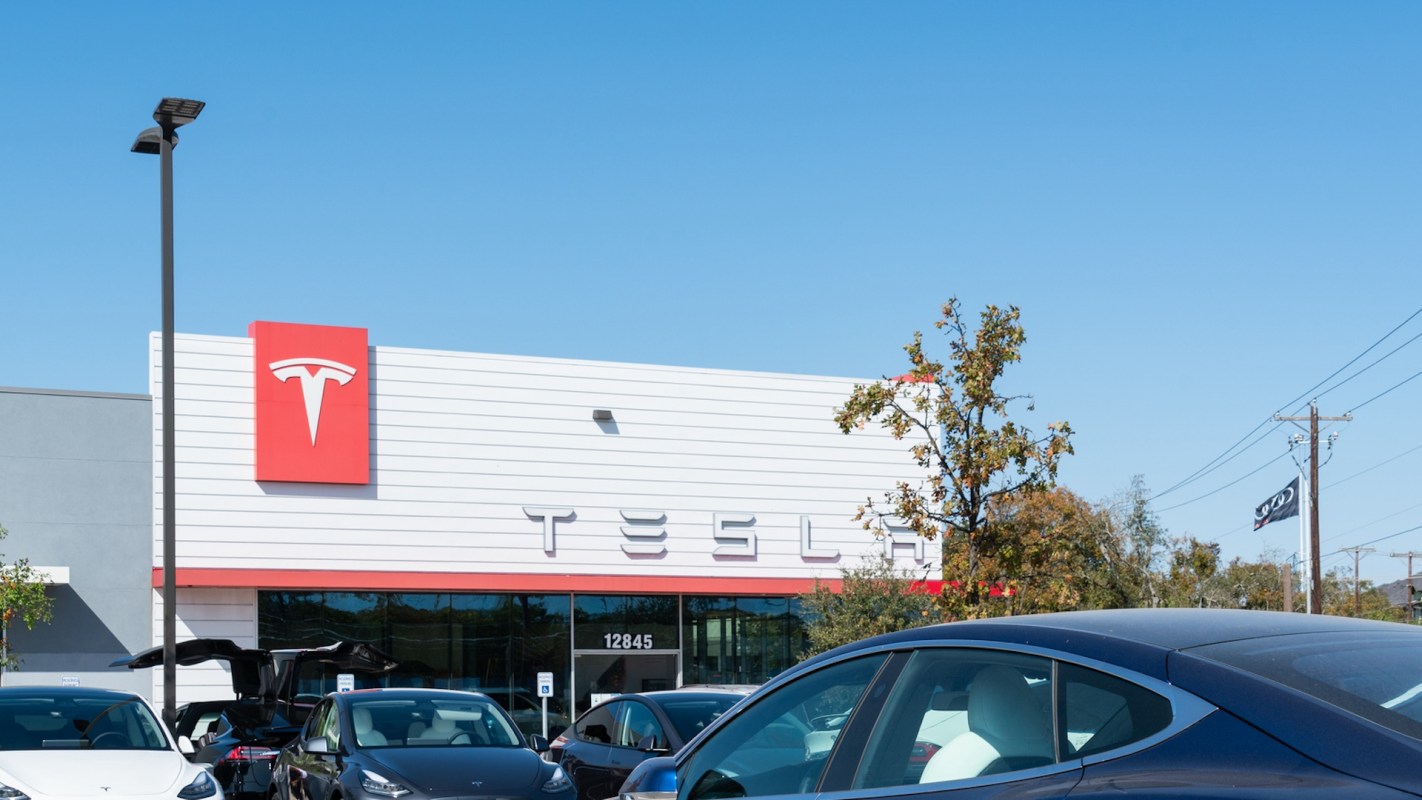
Tesla's robotaxi service in Texas appears to be far smaller than many consumers and investors might think.
New state filings cited by CNBC show that Texas has approved 42 Tesla autonomous vehicles for driverless ride-sharing. Waymo, by comparison, has 577.
What happened?
The reported figures come from the Texas Department of Motor Vehicles, which published an online database on May 28 as a new state law took effect.
The law gives Texas more authority over commercial driverless vehicle operators and, as CNBC reported, requires companies such as Tesla and Waymo to attest that their vehicles meet SAE's Level 4 autonomous standard.
According to CNBC, Level 4 generally refers to a vehicle being able to operate on typical roads and in normal weather with no human driver on board. Waymo has long described its robotaxis that way. Tesla, by contrast, previously told regulators that most of its consumer vehicles rely on Level 2 driver-assistance systems.
Tesla launched its Robotaxi-branded service in Texas in June 2025, but the company has not explained how any vehicles in that fleet came to be self-certified as Level 4. CNBC said that Tesla did not "immediately respond to a request for comment."
TCD Picks » Quince Spotlight
💡These best-sellers from Quince deliver affordable, sustainable luxury for all




In Texas, Tesla also trails AV Ride, which is listed with 317 authorized vehicles, per CNBC. Amazon's Zoox has 35.
Why does it matter?
A fleet of 42 vehicles means more limited availability, fewer covered neighborhoods, and potentially longer wait times than a much larger competitor can offer. It also indicates some trepidation from the company or regulators that truly autonomous tech is ready.
According to CNBC, records filed with the National Highway Traffic Safety Administration show 17 known incidents involving Tesla's Austin fleet between July 2025 and April 2026.
Two involved minor injuries, including one that required hospitalization. CNBC reported that those incidents occurred while human safety supervisors were on board.
Tesla is betting heavily on autonomous driving as EV competition increases. The paltry numbers in Texas show that despite CEO Elon Musk's big talk, there's a long way to go.
It's harder to hide now that Texas is taking a more formal oversight role. Before the new law, AV testing and operations were allowed "as long as they meet the same safety and insurance requirements as every other vehicle on the road."
The new framework adds the Level 4 self-certification requirement, giving the state a clearer way to track which companies say they are ready for fully driverless service.
What's being done?
CNBC noted that Waymo's U.S. commercial fleet is close to 4,000 robotaxis and is still expanding into additional markets.
Tesla, meanwhile, is seeking permits to test driverless vehicles in Arizona, Nevada, and Florida, but it has not begun offering paid driverless rides in those states.
The key question now is whether Tesla can show its fleet meets the standard for vehicles that can operate that are truly driverless and actually compete with Waymo in the space.

Get TCD's free newsletters for easy tips, smart advice, and a chance to earn $5,000 toward home upgrades. To see more stories like this one, change your Google preferences here.






